Finding the right ankle socks for your baby can feel overwhelming with so many options on store shelves. This guide is designed for new parents, caregivers, and anyone shopping for babies who want to make informed decisions about their little one’s foot comfort and development.
Your baby’s feet are still growing and developing, making sock choice more important than you might think. We’ll walk you through understanding how baby feet develop and what this means for sock requirements. You’ll also discover the essential features that make ankle socks safe and comfortable for babies, plus learn how to nail the perfect fit every time.
Table of Contents
Understanding Baby Foot Development and Sock Requirements
How Baby Feet Grow and Change in the First Year
Baby’s feet experience rapid changes during their first twelve months. At birth, a baby’s foot measures roughly 3 inches long and consists mostly of cartilage rather than hardened bone. The bones don’t fully develop until around age 18, making those tiny feet incredibly flexible and delicate.
During the first year, babies’ feet can grow up to half a size every two months. This growth occurs in spurts rather than gradually, which means parents need to check their child’s sock fit frequently. The shape of the foot also evolves significantly – newborn feet are proportionally wider and have less defined arches compared to those of older children.
The fat pads on baby feet serve as natural cushioning, but they also make proper sizing tricky. What looks like a perfect fit might actually be too tight once those chubby little toes spread out naturally. Baby feet also tend to be wider at the toes and narrower at the heel, creating unique fitting challenges for ankle socks.
Why Proper Sock Fit Matters for Healthy Development
Well-fitted ankle socks support natural foot development by allowing unrestricted movement and proper circulation. Babies learn to balance, crawl, and eventually walk through sensory feedback from their feet. Socks that are too tight can interfere with this crucial sensory input and potentially delay motor skill development.
Proper circulation is essential for growing feet. Tight elastic bands around the ankles can restrict blood flow, leading to discomfort and potentially affecting healthy tissue development. Babies can’t communicate when their socks feel uncomfortable, so parents must be vigilant about checking for proper fit.
Common Foot Problems Caused by Ill-Fitting Socks
Too-tight ankle socks can cause several issues that parents should watch for. Red marks or indentations around the ankle area indicate the elastic is too restrictive. These marks might seem harmless, but they can lead to skin irritation and discomfort that affects sleep and general fussiness.
Blisters and hot spots develop when socks are too loose and create friction as they move around inside shoes or against surfaces. The heel and toe areas are particularly vulnerable to this type of irritation.
Ingrown toenails can result from socks that push toes together or don’t provide enough room for natural toe spreading. This painful condition requires medical attention and can be completely avoided with properly fitted socks.
Fungal infections thrive in warm, moist environments created by synthetic materials or socks that don’t breathe well. Poor-fitting socks that trap moisture against the skin create perfect breeding grounds for these infections.
Temperature Regulation Needs for Tiny Feet
Baby feet have unique temperature regulation challenges that ankle socks need to address. Newborns can’t regulate body temperature effectively, and their extremities – especially feet – are often the first areas to get cold or overheated.
The ideal ankle sock maintains warmth without causing overheating. Babies’ feet should feel warm to the touch but not hot or sweaty. Overheating can be just as problematic as being too cold, potentially leading to heat rash or general discomfort.
Natural fibers like cotton and bamboo offer excellent breathability while still providing adequate warmth. These materials wick moisture away from the skin and allow air circulation, helping maintain optimal foot temperature throughout the day.
Essential Features to Look for in Baby Ankle Socks
Seamless Toe Construction for Maximum Comfort
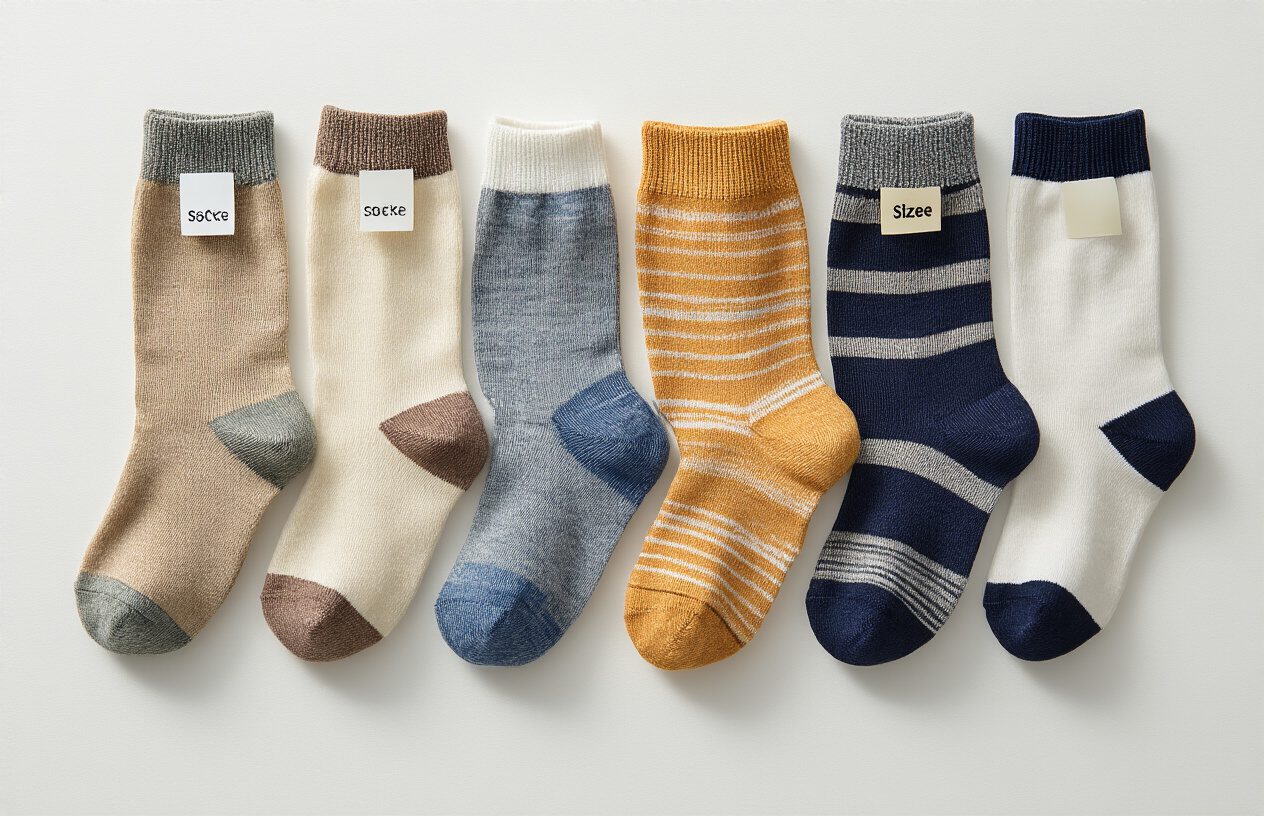
When shopping for baby ankle socks, seamless toe construction stands out as one of the most important features. Traditional socks have thick seams across the toe area that can create pressure points and uncomfortable ridges against your baby’s delicate skin. These raised seams often cause irritation, redness, and can make your little one fussy throughout the day.
Seamless toe construction eliminates this problem by creating a smooth, flat finish inside the sock. This design prevents blisters and hot spots that commonly develop when babies wear shoes or spend time crawling and walking. The absence of bulky seams also means the socks fit better inside shoes without creating uncomfortable bunching.
Breathable Fabric Materials That Prevent Overheating
Baby feet are particularly prone to overheating because their temperature regulation systems are still developing. Quality ankle socks feature breathable materials like bamboo fiber, merino wool, or moisture-wicking synthetic blends that allow air circulation around tiny feet.
Bamboo fiber naturally regulates temperature and has antibacterial properties, making it an excellent choice for active babies. Merino wool provides superior breathability while maintaining warmth when needed. Synthetic moisture-wicking fabrics pull sweat away from the skin and dry quickly, preventing that clammy feeling that makes babies uncomfortable.
Non-Slip Grips for Safety During First Steps
As your baby transitions from crawling to walking, ankle socks with non-slip grips become essential safety features. These small rubber or silicone dots on the sock bottom provide crucial traction on smooth surfaces like hardwood floors, tile, and laminate.
Quality grip patterns cover the entire sole area rather than just the heel and toe sections. The grips should be made from durable, flexible materials that won’t crack or peel after multiple washes. Some premium options feature different grip textures designed specifically for various surfaces your baby might encounter.
Gentle Elastic Bands That Won’t Leave Marks
The elastic band around the ankle needs to strike the perfect balance between staying put and being gentle enough for delicate baby skin. Harsh elastic can cut off circulation, leave red marks, or cause discomfort that makes babies pull at their socks constantly.
High-quality baby ankle socks feature soft, wide elastic bands that distribute pressure evenly around the ankle. Some brands use fold-over cuffs that create a gentler grip without digging into the skin. The best options stretch comfortably but return to their original shape wash after wash.
Check that the elastic contains no latex if your baby has sensitivities, and always inspect your baby’s ankles after sock wear to ensure no marks or indentations appear.
Easy-Care Fabrics That Withstand Frequent Washing
Baby socks face serious challenges – spit-up, food spills, diaper leaks, and outdoor adventures create constant laundry loads. Easy-care fabrics save time and maintain sock quality through countless wash cycles.
Look for materials that are machine washable in warm water and can handle regular detergents. Pre-shrunk fabrics prevent size changes that could affect fit. Colorfast materials won’t bleed or fade, keeping white socks white and bright colors vibrant.
Some premium ankle socks feature stain-resistant treatments that make cleanup easier. Quick-dry materials reduce drying time and prevent mildew in humid climates. Reinforced heel and toe areas extend sock life in high-wear zones where babies’ active movements create the most stress on the fabric.
Size Selection and Proper Fit Guidelines

How to Measure Your Baby’s Feet Accurately
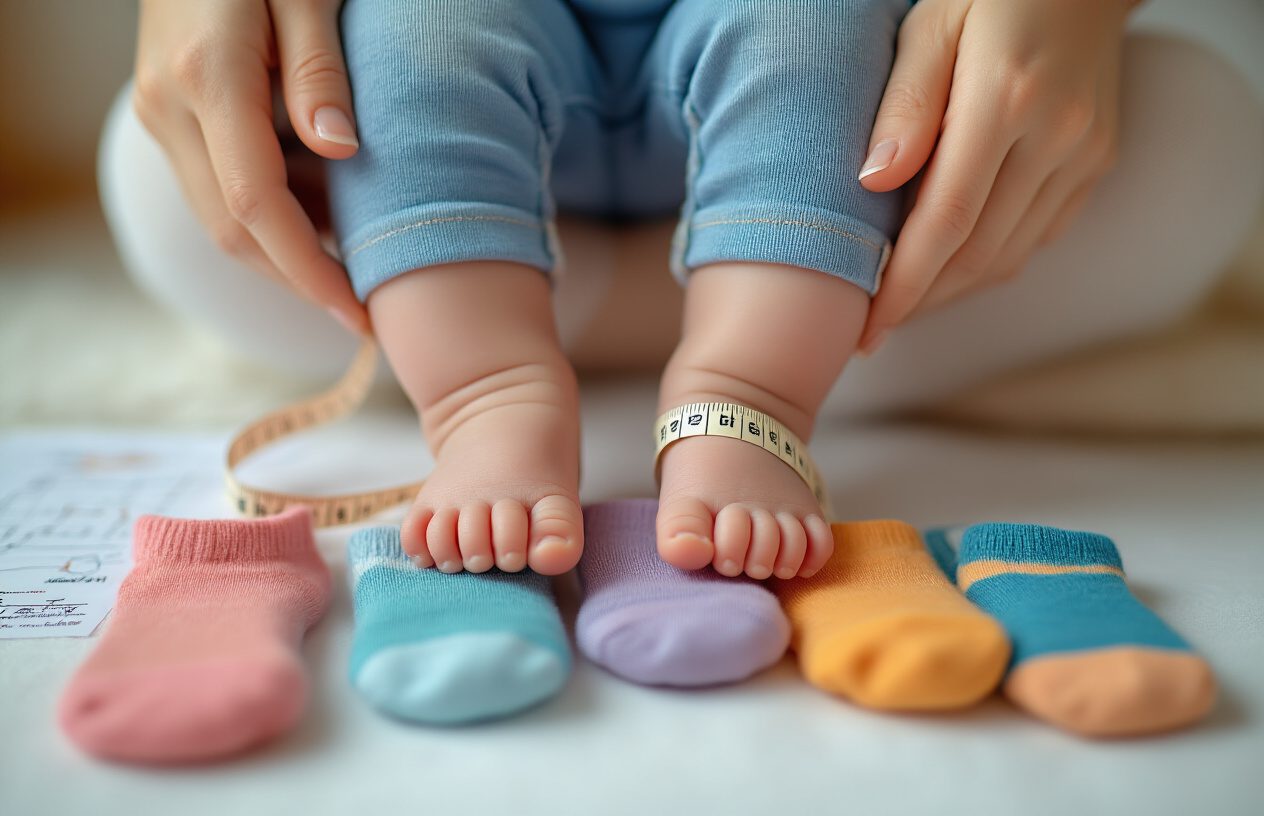
Getting the right measurements for your baby’s feet is easier than you might think. Start by placing your baby on a flat surface with their foot firmly planted down. Use a soft measuring tape or ruler to measure from the tip of the longest toe to the back of the heel. Don’t forget that babies often have one foot slightly larger than the other, so measure both feet and use the larger measurement.
The best time to measure is when your baby is calm and their feet are relaxed. Avoid measuring right after they wake up or when they’re fussy, as this can affect the accuracy. If your baby won’t stay still, try tracing their foot on paper while they’re lying down, then measure the outline.
Age-Based Size Charts and Growth Allowances
Baby feet grow incredibly fast during the first year. Here’s a general size guide to help you navigate the shopping process:
| Age Range | Typical Foot Length | Sock Size |
|---|---|---|
| 0-3 months | 3.5-4 inches | Newborn/0-3M |
| 3-6 months | 4-4.5 inches | 3-6M |
| 6-12 months | 4.5-5 inches | 6-12M |
| 12-18 months | 5-5.5 inches | 12-18M |
Remember that these are just starting points. Every baby grows at their own pace, and some might skip sizes entirely. When buying ankle socks, consider getting a mix of your current size and one size up to account for growth spurts.
A good rule of thumb is to allow about a quarter-inch of growing room in the sock. This prevents the socks from being too snug while still providing proper fit and comfort.
Signs Your Baby Has Outgrown Their Current Socks
Watch for these telltale signs that it’s time to size up:
- Red marks or indentations around your baby’s ankles or toes after removing socks
- Difficulty putting socks on or having to stretch them excessively
- Sock tops rolling down constantly, indicating the ankle opening is too small
- Toe areas looking stretched, or the sock fabric appearing thin at pressure points
- Your babyis fussing when you put socks on, which could indicate discomfort
Check your baby’s socks weekly during growth spurts, which typically happen around 2-3 weeks, 6 weeks, 3 months, and 6 months. During these periods, babies can outgrow clothing and socks seemingly overnight.
Another clear indicator is when you notice the sock heel sitting too far forward on your baby’s foot, or when the toe area extends beyond the sock’s intended toe space. Don’t wait for obvious signs of discomfort – babies can’t tell you when their ankle socks are too tight, so regular checks are your best defense against ill-fitting footwear.
Best Materials for Baby Ankle Socks

Organic Cotton Benefits for Sensitive Skin
Organic cotton stands as the gold standard for baby ankle socks because it delivers unmatched gentleness for delicate skin. This natural fiber is grown without harsh pesticides, chemical fertilizers, or synthetic processing agents that could irritate your little one’s feet. The soft, breathable texture allows air to circulate freely, preventing moisture buildup that leads to rashes or fungal infections.
Parents love organic cotton ankle socks because they’re naturally hypoallergenic. Babies with eczema, sensitive skin, or allergies often show remarkable improvement when switched to organic cotton socks. The fiber’s smooth surface won’t cause friction or chafing, even during active play sessions.
The absorbent properties of organic cotton work like magic for keeping tiny feet dry and comfortable throughout the day. Unlike synthetic materials that trap moisture, organic cotton wicks away sweat and dampness naturally. This feature becomes especially important as your baby starts crawling and walking, generating more heat and perspiration.
Bamboo Fiber Properties for Natural Antibacterial Protection
Bamboo fiber creates an invisible shield against bacteria and odors, which makes it perfect for active babies. This remarkable material contains natural antimicrobial properties called “bamboo kun” that fight off harmful microorganisms without any chemical treatments. Your baby’s ankle socks will stay fresher longer, even after extended wear.
The silky smooth texture of bamboo feels luxurious against baby skin while providing superior moisture management. Bamboo fibers can absorb up to three times more moisture than cotton, keeping little feet dry and happy. This moisture-wicking ability prevents the warm, damp conditions where bacteria and fungi thrive.
Merino Wool for Temperature Regulation
Merino wool deserves serious consideration for baby ankle socks, especially if you live in areas with dramatic temperature swings. This premium wool comes from Merino sheep and offers incredibly fine, soft fibers that won’t irritate sensitive baby skin like traditional wool might.
The natural thermostat qualities of Merino wool keep baby’s feet at the perfect temperature year-round. When it’s chilly, the wool traps warm air close to the skin. During warmer weather, it releases excess heat and moisture to prevent overheating. This adaptability makes Merino wool ankle socks ideal for babies who struggle with temperature regulation.
Merino wool also brings impressive odor resistance to the table. The natural lanolin and fiber structure prevent bacteria from multiplying, which means less frequent washing and longer-lasting freshness. Parents appreciate that these ankle socks maintain their shape and softness wash after wash, making them a smart long-term investment.
Synthetic Blends for Durability and Stretch
Strategic synthetic blends combine the best qualities of different materials to create ankle socks that withstand the demands of active babies. Common blends include cotton-polyester, cotton-spandex, or bamboo-elastane combinations that deliver enhanced performance over single-material options.
Polyester adds significant durability and color retention to baby ankle socks. These blends resist fading, shrinking, and stretching out of shape, even after countless trips through the washing machine. For parents dealing with frequent diaper blowouts and messy meals, this durability becomes invaluable.
Spandex or elastane content provides the stretch and recovery that keeps ankle socks snug without being tight. The elastic properties help socks stay in place during crawling, cruising, and those first wobbly steps. Quality synthetic blends maintain their shape and elasticity far longer than natural fibers alone.
| Material | Softness | Durability | Moisture-Wicking | Antibacterial | Price Range |
|---|---|---|---|---|---|
| Organic Cotton | Excellent | Good | Good | None | $$ |
| Bamboo | Excellent | Good | Excellent | Natural | $$$ |
| Merino Wool | Good | Excellent | Excellent | Natural | $$$$ |
| Synthetic Blends | Good | Excellent | Variable | None | $ |
Safety Considerations and Red Flags to Avoid
Avoiding Socks with Loose Threads or Decorations
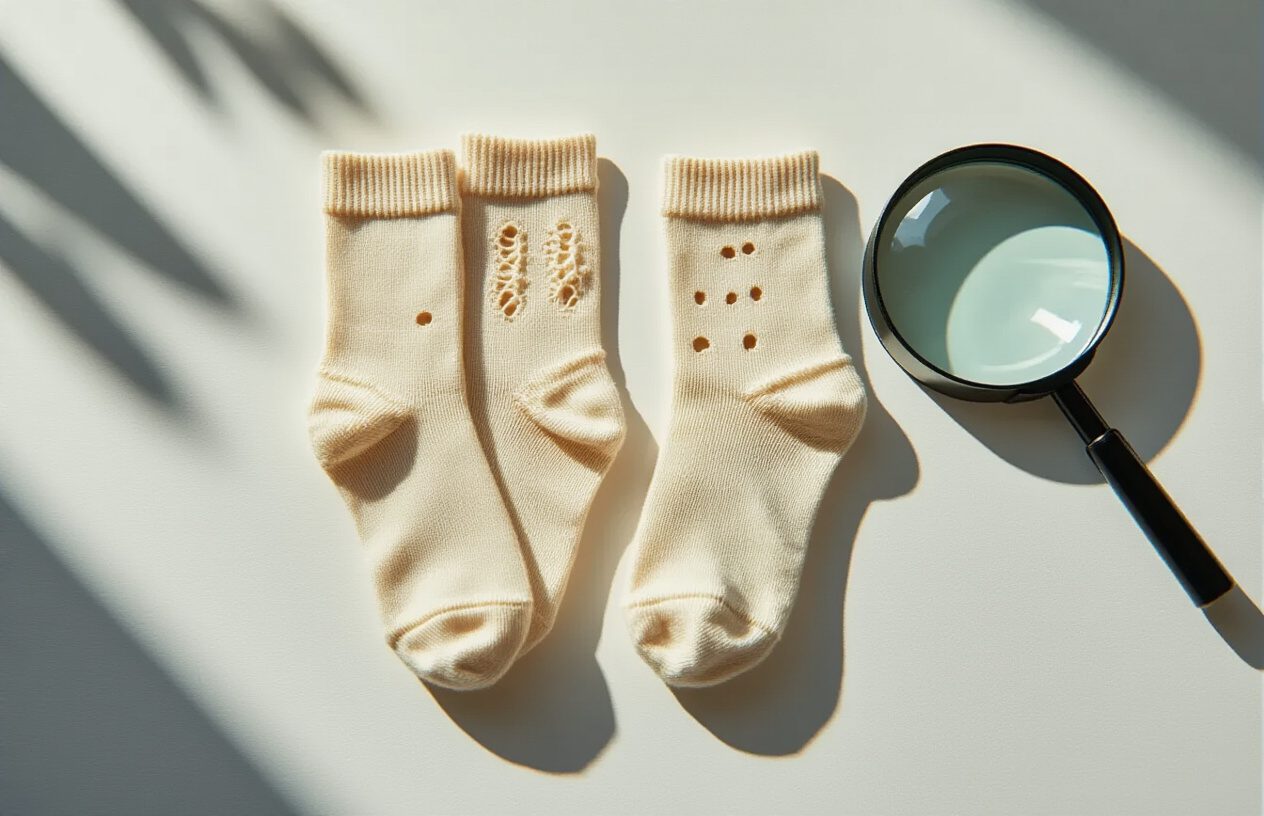
Baby ankle socks with loose threads pose serious risks that many parents overlook. These wayward fibers can wrap around tiny toes, cutting off blood circulation in a condition called “hair tourniquet syndrome.” Before putting any socks on your baby, run your fingers along the seams and inside surfaces to check for loose threads, rough stitching, or protruding fibers.
Decorative elements like buttons, bows, or small appliqués might look adorable, but they create choking hazards for curious babies who love exploring with their mouths. Hard decorations can also press against delicate skin, causing discomfort or red marks. Choose ankle socks with minimal embellishments, and when decorations are present, ensure they’re securely attached and made from baby-safe materials.
Checking for Proper Circulation and Fit Marks
Red marks around your baby’s ankles or toes after removing socks signal that the fit is too tight. Proper circulation is crucial for healthy foot development, and restrictive ankle socks can interfere with blood flow and natural movement.
Check your baby’s feet immediately after removing socks. Healthy circulation means the skin should return to its normal color within seconds. Look for these warning signs:
- Deep indentations from sock bands
- Red or purple marks that persist
- Swelling around the ankle or foot
- Cold toes or unusual color changes
The elastic band around ankle socks should be snug enough to stay in place without sliding down, but never tight enough to leave lasting impressions on the skin. You should be able to slide one finger comfortably under the sock’s opening.
Identifying Allergic Reactions to Sock Materials
Skin reactions to sock materials can develop gradually, making them easy to miss during busy daily routines. Common signs include persistent redness, small bumps, dry patches, or areas where your baby frequently scratches their feet.
Synthetic materials, dyes, and chemical treatments used in sock manufacturing can trigger allergic reactions. Babies with sensitive skin often react to:
- Latex in elastic bands
- Formaldehyde-based finishes
- Artificial dyes and colors
- Synthetic blends with harsh chemicals
If you notice any skin irritation, switch to hypoallergenic, organic cotton ankle socks and monitor whether the reaction clears up. Document any reactions with photos and note the sock brand and materials to avoid future purchases of similar products.
When to Replace Worn or Damaged Socks
Worn-out ankle socks lose their protective qualities and can actually harm your baby’s developing feet. Replace socks immediately when you notice holes, especially in the toe or heel areas, as these expose delicate skin to friction and potential injury.
Stretched-out elastic bands that no longer provide a secure fit allow socks to bunch up inside shoes, creating pressure points and blisters. Similarly, thinning fabric in high-wear areas offers inadequate cushioning and protection.
Watch for these replacement indicators:
- Visible holes or thin spots
- Loose, non-elastic bands
- Rough or pilling fabric texture
- Persistent odors that don’t wash out
- Shrinkage that makes socks too small
Top Recommended Brands and Where to Shop

Budget-Friendly Options That Don’t Compromise Quality
Carter’s remains the go-to choice for parents seeking affordable ankle socks without sacrificing quality. Their 6-pack options typically cost under $10 and feature soft cotton blends with reinforced toe areas. The elastic stays snug without being too tight, and they hold up well through countless washes.
Gerber offers another excellent budget pick with their basic ankle sock sets. Available in multipacks at most grocery and discount stores, these socks focus on simple comfort and durability. Their seamless toe construction reduces irritation for sensitive baby feet.
Target’s Cat & Jack brand delivers surprising quality at rock-bottom prices. Their ankle socks come in fun patterns and solid colors, with grip dots on the bottom for added safety. The cotton-spandex blend provides just enough stretch while maintaining shape after multiple wash cycles.
Hanes baby socks deserve recognition for their value proposition. While known primarily for adult undergarments, their baby line offers cushioned soles and breathable fabric at prices that won’t strain your budget. Look for their variety packs during back-to-school sales for maximum savings.
Premium Brands Worth the Investment
Smartwool leads the premium ankle sock category with its merino wool blends designed specifically for babies. While significantly more expensive than cotton alternatives, these socks regulate temperature naturally and resist odors even after extended wear. The cushioned footbed provides extra comfort for babies taking their first steps.
Bombas has expanded its adult success into baby socks with impressive results. Their ankle socks feature seamless toe construction, extra cushioning in high-impact areas, and a proprietary blend that wicks moisture while staying incredibly soft. Each pair comes with a satisfaction guarantee that reflects their confidence in the product.
Little River Sock Mill produces handcrafted ankle socks in Vermont using organic materials. Their attention to detail shows in features like flat-seam toe closures and hand-linked heels. These socks cost more upfront, but often outlast cheaper alternatives by years.
Stance offers designer ankle socks that combine premium materials with eye-catching patterns. Their baby line includes organic cotton options with artistic designs that parents actually want to show off. The construction quality matches the aesthetic appeal, with reinforcement in wear-prone areas.
Online vs In-Store Shopping Advantages
Online shopping provides unmatched convenience when selecting ankle socks for babies. Amazon, Target.com, and specialty retailers offer detailed size charts, customer reviews, and easy returns. You can compare prices across multiple brands instantly and take advantage of subscription services that automatically deliver new socks as your baby grows.
Digital platforms excel at offering variety that physical stores simply cannot match. Specialty sites like Primary or Monica + Andy stock unique designs and organic options rarely found in brick-and-mortar locations. Filter options let you narrow choices by material, size, price range, and specific features like grip dots or seamless toes.
Customer reviews online provide invaluable insights from real parents. You’ll discover which socks actually stay on active babies, how different brands run in terms of sizing, and which materials hold up best over time. This crowd-sourced information often proves more reliable than manufacturer descriptions.
Physical stores offer the advantage of immediate gratification and hands-on inspection. You can feel fabric quality, check elastic tension, and compare actual sizes before purchasing. Many parents prefer examining ankle socks in person to gauge thickness and construction quality.
Store shopping eliminates shipping delays and return hassles when you need socks immediately. Baby clothing sections at Target, Walmart, and department stores typically stock popular brands with competitive pricing. Sales associates can provide sizing guidance and help you find specific features you’re seeking.
Local children’s boutiques often carry premium brands not available online, allowing you to discover new options while supporting small businesses. These shops frequently offer personalized service and expert advice from staff who understand baby clothing needs intimately.
Finding the right ankle socks for your little one doesn’t have to be overwhelming once you know what matters most. Remember that baby feet are still developing, so you’ll want socks that support natural growth while providing comfort and protection. Look for breathable materials like cotton or bamboo, check that the fit isn’t too tight around those tiny ankles, and always prioritize safety by avoiding socks with loose threads or decorative elements that could pose choking hazards.