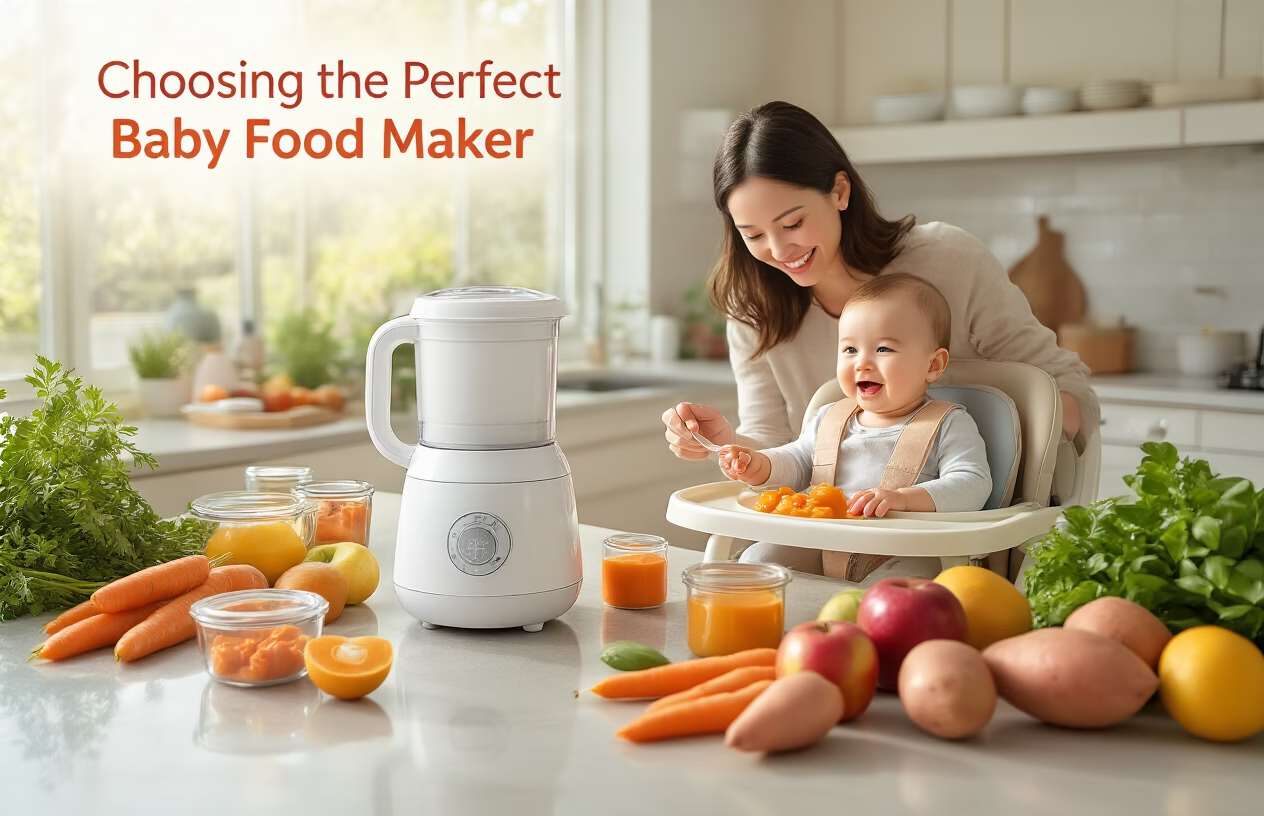
New parents looking to make fresh, healthy meals for their little ones often feel overwhelmed by baby food maker options. This guide helps busy moms and dads find the ideal baby food maker that fits their lifestyle, kitchen space, and budget.
We’ll cover the essential features to look for, including time-saving functions that work for your schedule and safety considerations to keep your baby’s meals healthy.
Plus, we’ll help you understand which models offer the best value for different budgets without sacrificing quality or durability.
Table of Contents
Understanding Baby Food Makers
Key benefits of making homemade baby food
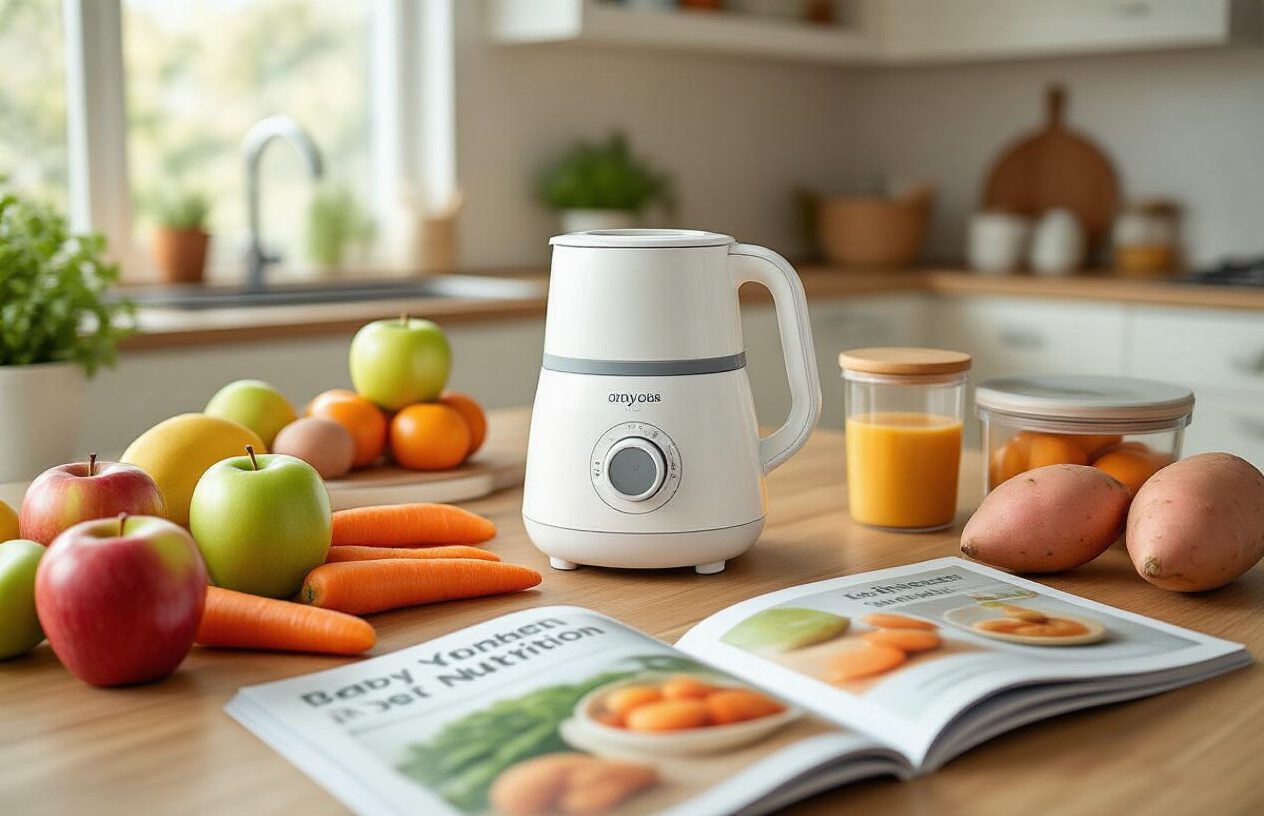
Making your baby food isn’t just a trend – it’s a game-changer for many parents. For starters, you’ll know exactly what’s going into your little one’s mouth. No mysterious ingredients or preservatives hiding in there!
Cost savings add up fast, too. A single store-bought pouch can cost $1-2, while homemade portions often work out to pennies per serving. Plus, those extra batches can go straight into the freezer for later.
The flavor possibilities? Endless! You can introduce your baby to complex taste combinations and gradually transition them to family meals. Many parents notice that their homemade food babies are less picky eaters later on.
Different types of baby food makers are available
Baby food makers generally fall into a few categories:
All-in-one systems handle everything from steaming to blending in the same device. These are perfect time-savers for busy parents.
Blender-based systems focus mainly on pureeing already-cooked foods. Some are handheld immersion blenders, while others are countertop versions.
Manual food mills require no electricity and are great for travel or quick mashing of softer foods.
Multi-cookers with baby food functions do double-duty in your kitchen for both baby food and family meals.
Essential features to consider
The perfect baby food maker should match your specific needs. Look for:
Capacity – Will you be batch cooking or making single servings?
Cleaning ease – Dishwasher-safe parts can save precious time.
Storage options – Some come with containers or freezer trays.
Speed – How quickly does it steam and blend?
Versatility – Can it grow with your baby from smooth purees to chunkier textures?
Counter space – Some models are compact, while others need significant room.
Safety features – Look for BPA-free materials and automatic shut-offs.
The right machine will make the difference between enjoying the process and finding it a chore. Many parents say that getting a dedicated baby food maker helped them stick with homemade feeding longer than they expected.
Budget Considerations
Price ranges and what they offer
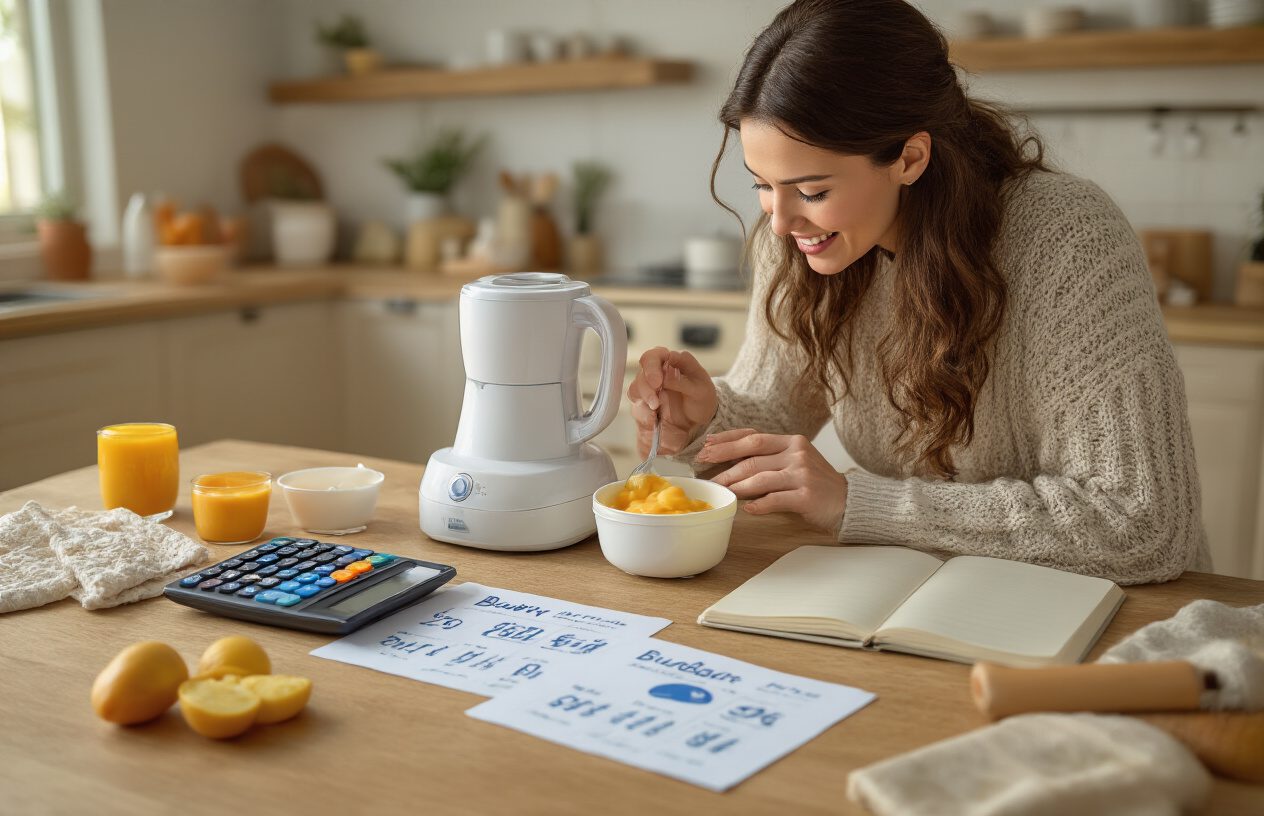
Baby food makers come in all shapes, sizes, and—you guessed it—price points. Here’s what you’ll typically find:
| Price Range | What You Get |
|---|---|
| $20-$50 | Premium models with digital controls, auto-clean features, and smartphone connectivity |
| $50-$100 | Combined steamer-blenders, multiple speed settings, medium capacity |
| $100-$200 | All-in-one systems, larger capacity, multiple functions, better durability |
| $200+ | Premium models with digital controls, auto-clean features, smartphone connectivity |
The sweet spot for most parents? That $50-$100 range gets you something reliable without breaking the bank.
Long-term cost savings of homemade vs. store-bought
The math doesn’t lie. Store-bought baby food pouches run about $1-2 each. Make that same food at home? You’re looking at pennies on the dollar.
A baby eating 2-3 pouches daily adds up fast—around $120-180 monthly for pre-made. DIY with your food maker slashes that to roughly $30-45 per month. Within 2-3 months, most baby food makers pay for themselves.
Plus, you’re not paying for water, fillers, and packaging. You’re paying for actual food.
Value for money factors
Not all baby food makers are created equal. Focus on:
- Durability (will it survive daily use?)
- Versatility (can it grow with your baby’s needs?)
- Ease of cleaning (those nooks and crannies add up to cleaning time)
- Capacity (bigger isn’t always better—think about your prep style)
The best value? Machines that handle multiple jobs well rather than one job perfectly.
When to invest in premium models
Premium doesn’t always mean better, but sometimes the splurge makes sense:
- You’re planning for multiple children
- Kitchen counter space is limited (all-in-ones save space)
- You value time-saving features like self-cleaning
- You need larger batch capabilities
- You want programmable settings to “set and forget”
Space and Storage Requirements
Countertop footprint considerations
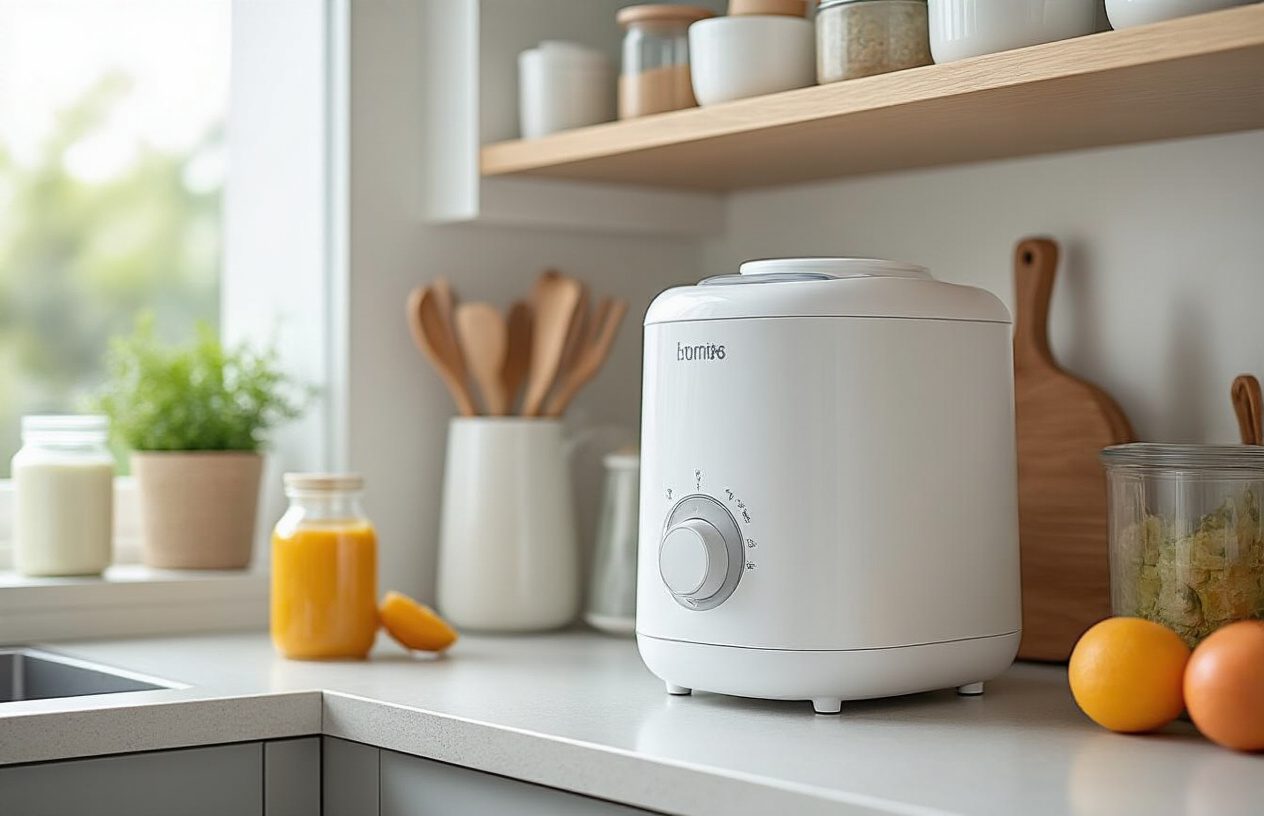
Baby food makers aren’t exactly tiny kitchen gadgets. Some models take up as much space as a full-size food processor, while others are more compact. Before you buy, grab a measuring tape and check how much countertop real estate you can spare.
Most standard baby food makers need about 12-15 inches of height clearance (for those overhead cabinets) and roughly 8-10 inches in width and depth. All-in-one systems that steam and blend typically have a larger footprint than single-function models.
Got a cramped kitchen? Look for vertical designs rather than wide ones. They take advantage of height instead of width, which is usually easier to accommodate in tight spaces.
Storage solutions for small kitchens
No endless countertop space? No problem. Many baby food makers now come with cord storage and stackable components to minimize their footprint when not in use.
Wall-mounted organizers or dedicated appliance cabinets can be lifesavers. Some parents swear by storing their baby food makers in deep drawers, pulling them out only during meal prep time.
Another smart hack? Choose multifunctional models that replace several gadgets. Why have separate steamers and blenders when one device does it all?
Portability options for traveling families
Always on the move? Some manufacturers have caught on, creating travel-friendly baby food makers.
Battery-operated or USB-rechargeable mini blenders are game-changers for road trips and vacations. They’re typically lightweight (under 2 pounds) and can fit in a diaper bag.
For longer trips, consider models with removable blending containers that double as storage. This way, you can prep food and store it in the same container – one less thing to pack!
Collapsible silicone components are another brilliant innovation, making travel-friendly baby food prep possible. They squish down to half their size when not in use, perfect for suitcases with limited space.
Functionality and Versatility
A. Single-purpose vs. multi-function devices
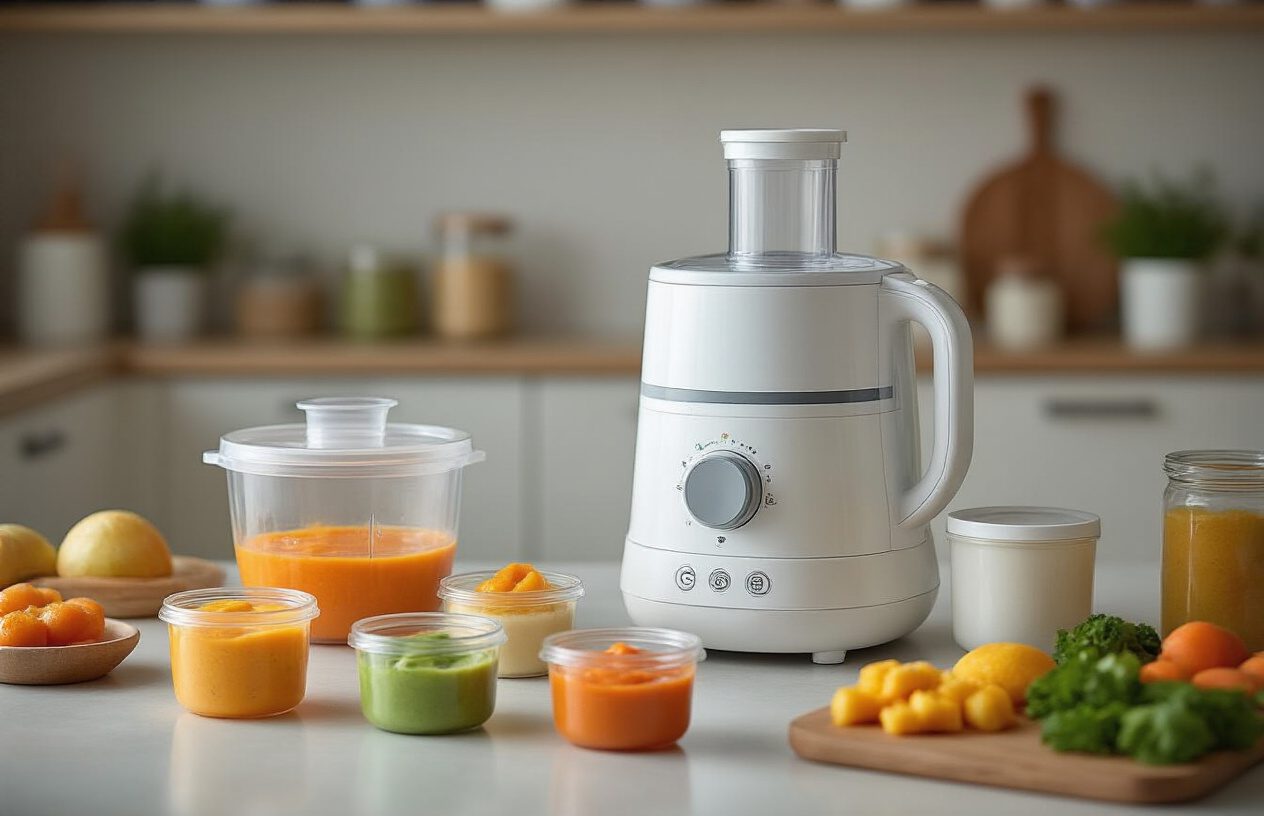
Baby food makers come in two flavors: one-trick ponies and Swiss Army knives.
Single-purpose devices do exactly what you’d expect – they blend or steam baby food. That’s it. They’re usually cheaper and take up less counter space, which is gold when your kitchen’s already overflowing with baby stuff.
Multi-function devices, though? Game changers. These bad boys can steam, blend, defrost, reheat, and sometimes even sterilize bottles. Yeah, you’ll pay more upfront, but think about all the appliances you’re NOT buying.
Here’s the breakdown:
| Single-Purpose | Multi-Function |
|---|---|
| Lower cost | Higher initial investment |
| Less counter space | More features per square inch |
| Simpler operation | Steeper learning curve |
| Limited use cases | Works from infancy through toddlerhood |
B. Growth potential as your baby develops
Babies don’t stay on purees forever (thank goodness). Around 8-10 months, they start wanting chunkier textures, and by 12+ months, they’re grabbing at your plate.
A good baby food maker grows with your little one. Look for machines with multiple texture settings – from super-smooth for those first bites to chunkier blends for experienced eaters.
The best models have adjustable blending times and pulse functions. That way, when your 10-month-old is ready for small soft chunks, you’re not stuck with either complete mush or food that’s too chunky.
C. Family meal preparation capabilities
Why buy a gadget that only makes baby food? Smart parents look for devices that pull double-duty.
Some higher-end baby food makers can handle adult portions, too. Imagine making yourself a smoothie or soup in the same device that just pureed carrots for the baby. One less thing to clean!
Many models come with larger capacity bowls or multiple containers, perfect for prepping family meals. Some even have separate blending blades for different food textures.
D. Batch cooking options
Nobody wants to make fresh baby food three times a day. That’s just crazy talk.
Batch cooking is your sanity-saver. Look for machines with large capacity bowls (at least 4-cup capacity) so you can make several servings at once.
The best models come with storage solutions too – either built-in containers or compatible storage systems. Bonus points if they’re stackable and freezer-safe.
Some premium baby food makers even have designated batch-cooking programs that optimize the steaming and blending process for larger quantities.
E. Steaming and blending efficiency
Time is precious when you’ve got a hungry baby screaming at you.
The best baby food makers steam quickly and evenly. Look for models that can steam hard veggies like carrots in under 15 minutes. Water capacity matters too – you don’t want to refill halfway through.
For blending, power is key. Weak motors struggle with fibrous veggies and can leave chunks when you want a smooth puree. Higher wattage usually means better performance.
Safety Features and Materials
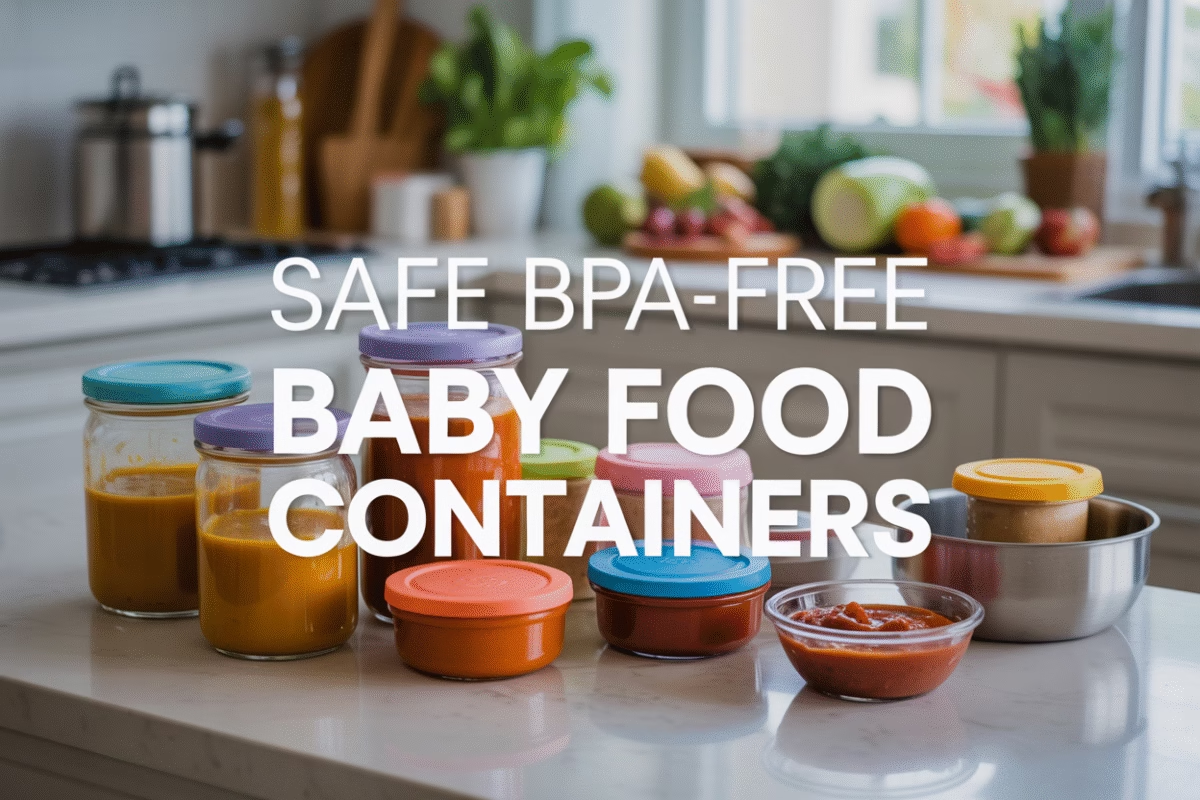
BPA-free components
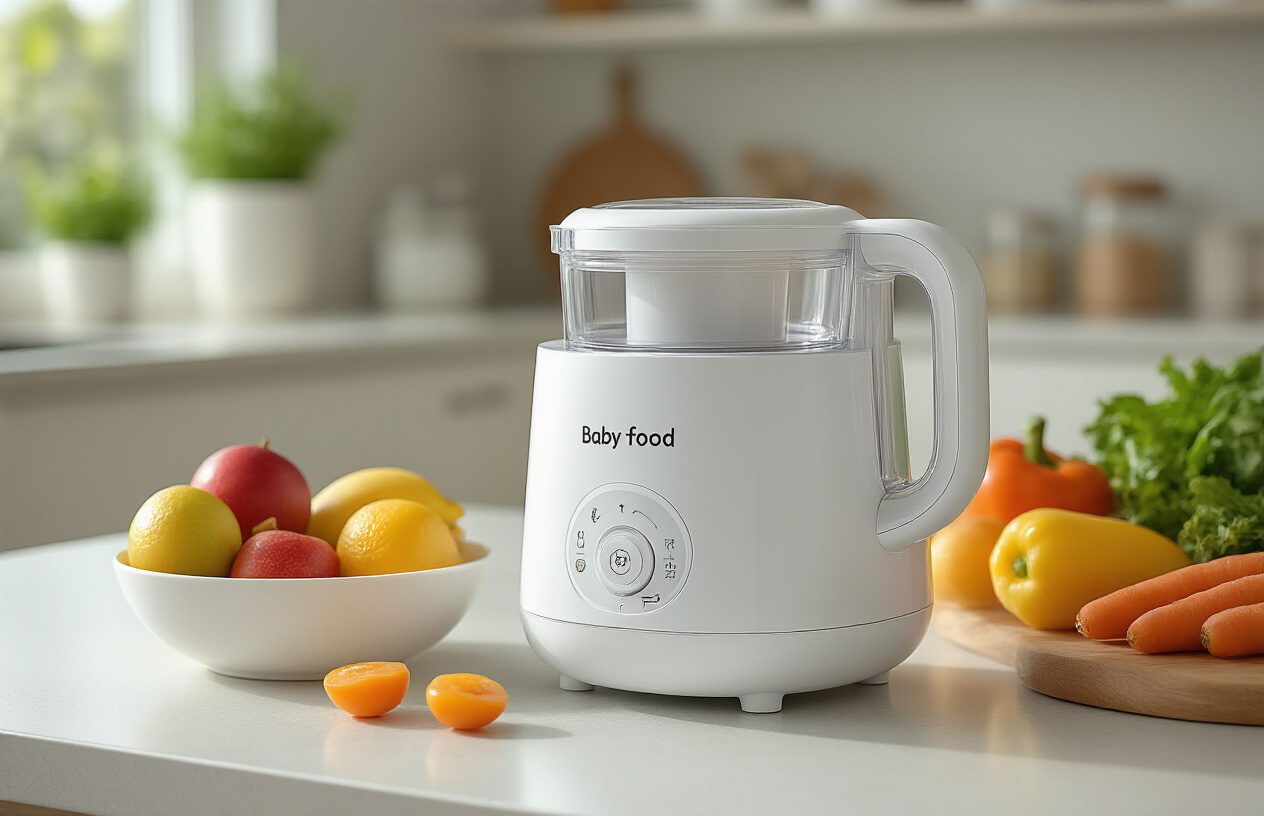
When it comes to baby food makers, the materials touching your little one’s food matter—a lot. BPA (Bisphenol A) is a chemical found in some plastics that can seep into food and potentially harm your baby’s development.
The good news? Most modern baby food makers now come BPA-free. But don’t just take the package’s word for it. Look for explicit “BPA-free” labeling on all components that contact food—not just the main bowl. This includes blades, steamers, and storage containers.
Some manufacturers have gone beyond BPA-free by eliminating other concerning chemicals like phthalates and lead. Brands like Beaba and Baby Brezza make this a selling point, and rightfully so.
Easy-to-clean surfaces
Nothing kills the joy of homemade baby food faster than spending 30 minutes scrubbing food residue off your machine.
The best baby food makers feature:
- Dishwasher-safe components
- Smooth surfaces without tiny crevices
- Removable blades
- Parts that disassemble completely
Some models have self-cleaning cycles that make cleanup a breeze. The Philips Avent, for example, has a steam-clean function that breaks down stubborn residue.
Safety locks and mechanisms
Baby food makers with solid safety features prevent accidents and give you peace of mind. Look for:
- Bowl-locking mechanisms that prevent operation unless properly assembled
- Auto-shutoff features that kick in when the machine overheats
- Blade guards that protect little fingers during cleaning
- Non-slip bases that keep the machine steady on countertops
FDA-approved materials
The gold standard for any baby product is FDA approval. This means the materials have been tested for food safety and won’t leach harmful substances.
Many top-tier baby food makers use food-grade stainless steel for blades and steam baskets. For plastic components, look for medical-grade or food-grade silicone that can withstand repeated heating and cooling without degrading.
Some European brands follow even stricter standards than the FDA requires. Brands like Babymoov and Beaba tout compliance with European safety standards, which sometimes exceed American requirements.
Time-Saving Capabilities
Preparation and cooking time
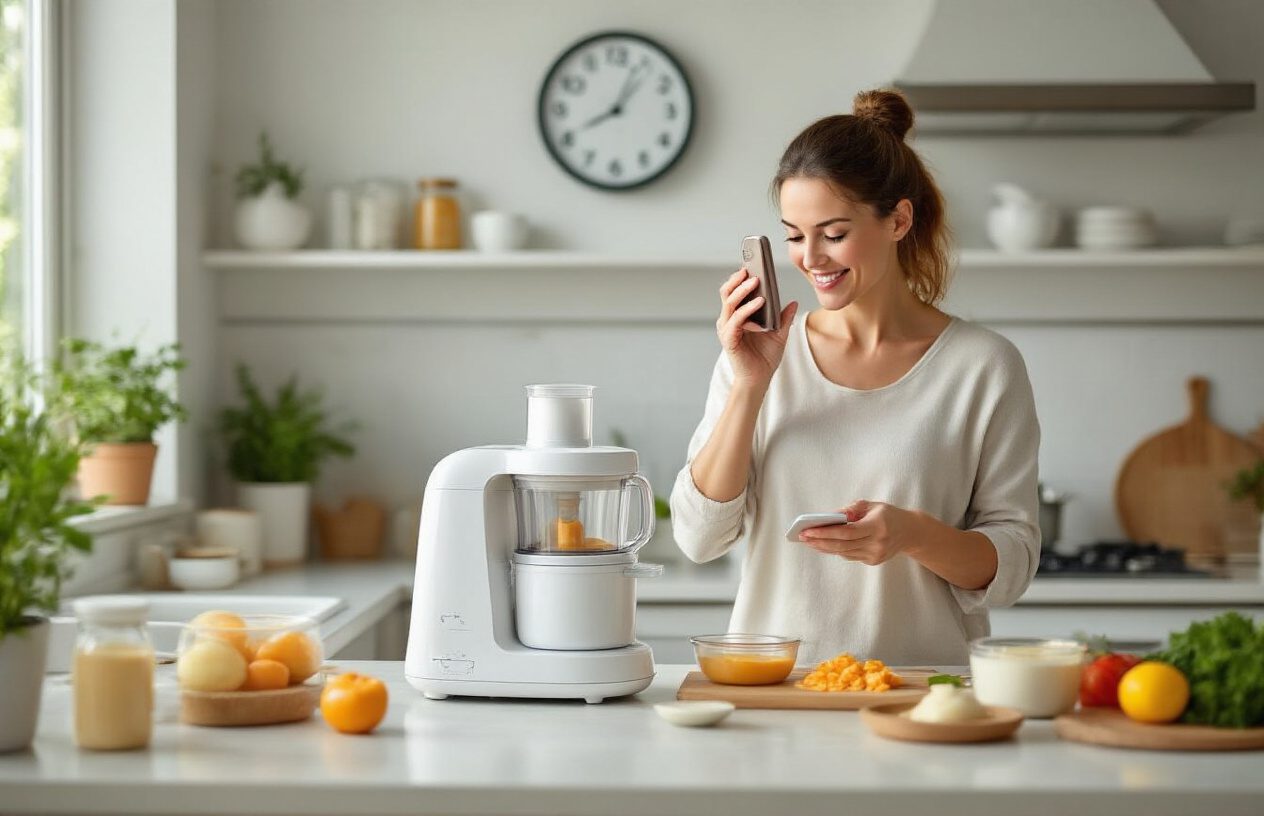
When you’re juggling a million parenting tasks, the last thing you need is a baby food maker that takes forever to use. The best models can steam and blend in under 15 minutes – that’s a game-changer when your little one is hangry and letting the whole neighborhood know.
Some machines work in stages (steam first, then blend), while others do it all in one go. Single-stage processors might seem faster at first glance, but you’ll spend extra time transferring food between appliances. All-in-one makers save you those precious minutes.
Cleaning and maintenance requirements
Nobody – and I mean nobody – wants to spend 20 minutes scrubbing dried puree from tiny crevices after finally getting baby fed. The cleaning factor can make or break your baby food maker experience.
The best designs have smooth surfaces without hard-to-reach spots where food gets trapped. Removable blades are a must – they let you clean thoroughly without risking your fingers.
Some models require hand washing of certain components, which adds significant time to your cleanup. Others need descaling every few weeks to prevent mineral buildup from steaming.
Dishwasher-safe components
This feature deserves its spotlight because it’s such a sanity-saver. When shopping, check exactly which parts can go in the dishwasher.
The gold standard? A baby food maker where everything that touches food is dishwasher-safe. Some manufacturers claim “dishwasher-safe parts” but exclude critical components like blade assemblies or steaming baskets.
Remember that even with dishwasher-safe parts, you’ll sometimes need to pre-rinse stubborn, dried-on puree before loading. Still, tossing components in the dishwasher while you focus on baby’s bedtime routine beats standing at the sink scrubbing tiny food particles any day.
Reliability and Durability
A. Warranty options
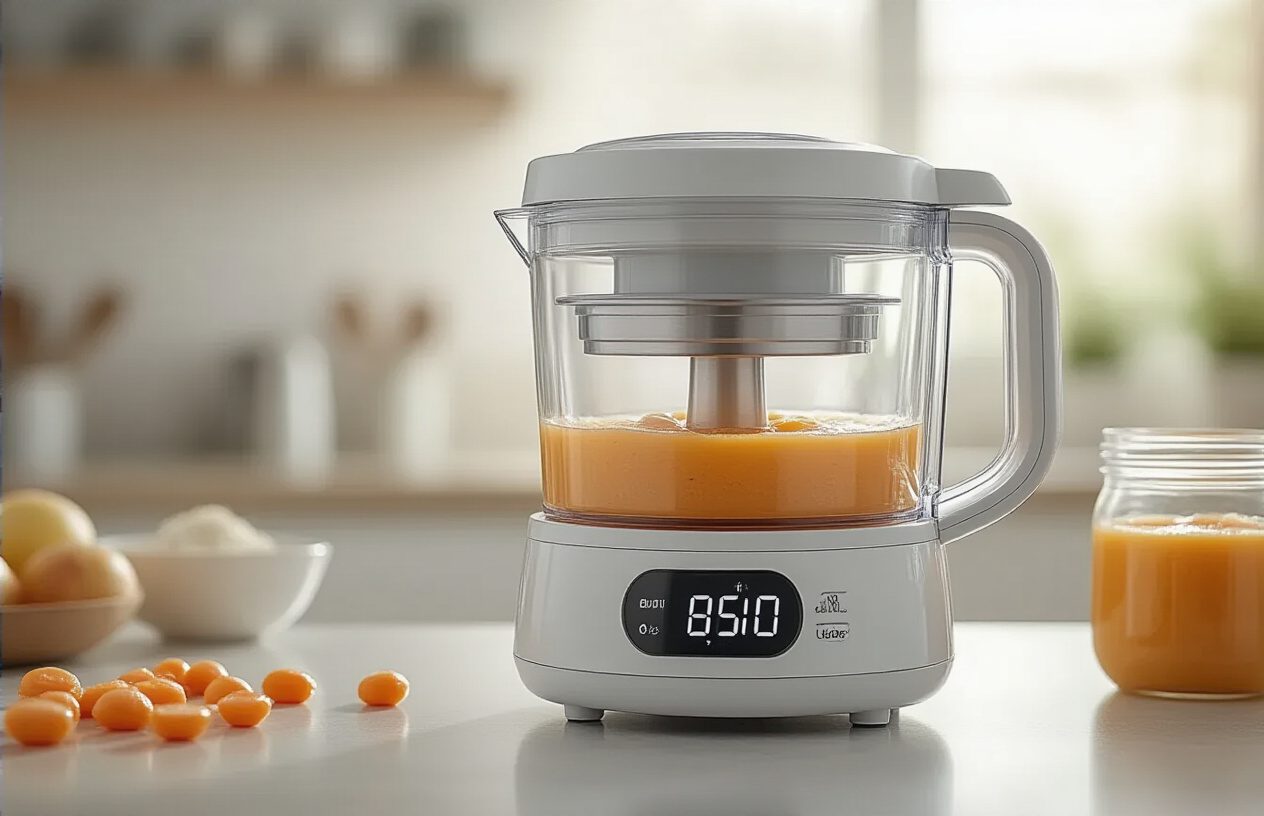
When spending money on a baby food maker, you want it to last. Most reputable brands offer at least a 1-year warranty, but the coverage varies significantly. Some premium models come with 2-3 year warranties that cover both parts and labor.
Look for warranties that specifically mention blade replacements and motor burnout—these are the parts that work hardest. Some companies also offer extended warranty options for an additional fee, which might be worth considering for higher-end models over $150.
Don’t just skim the warranty paperwork. Check if shipping costs for repairs are covered and whether you’ll get a replacement unit while yours is being fixed. These details matter when you’re counting on the device for daily meal prep.
B. Brand reputation and customer service
Nothing tells you more about durability than how a company treats customers when things go wrong. Brands like Beaba and Baby Brezza have built solid reputations not just because their products work well, but because they respond quickly when they don’t.
Before buying, search for phrases like “[brand name] customer service experience” or check Trustpilot scores. Pay special attention to how companies handle problems outside warranty periods.
The best brands offer:
- Phone support (not just email)
- Easy-to-find contact information
- Replacement parts you can order directly
- Responsive social media teams
A company that stands behind its product even after your purchase speaks volumes about the quality you’re getting.
C. Expected lifespan of different models
Baby food makers aren’t forever purchases, but they should last through at least one child’s weaning phase—and ideally be ready for siblings too.
Budget models ($30-60): Typically last 1-2 years with regular use
Mid-range ($60-120): Usually good for 2-3 years
Premium ($120+): Often last 4+ years and handle multiple children
The simpler the mechanism, the longer it lasts. All-in-one systems with multiple functions have more potential failure points but offer convenience that might outweigh longevity concerns.
D. Common failure points to watch for
Smart shoppers know what breaks first. With baby food makers, these are the usual suspects:
- Blade assembly: Look for models with metal gears rather than plastic
- Steamer elements: These can develop mineral buildup and stop working
- Lids and seals: Frequent dishwasher cleaning can warp plastic components
- Motor burnout: Usually happens when processing tough ingredients or from overheating
Models with clearly separated wet and electronic components tend to have fewer issues. When reading reviews, filter for the oldest ones—these show how the product holds up after extended use.
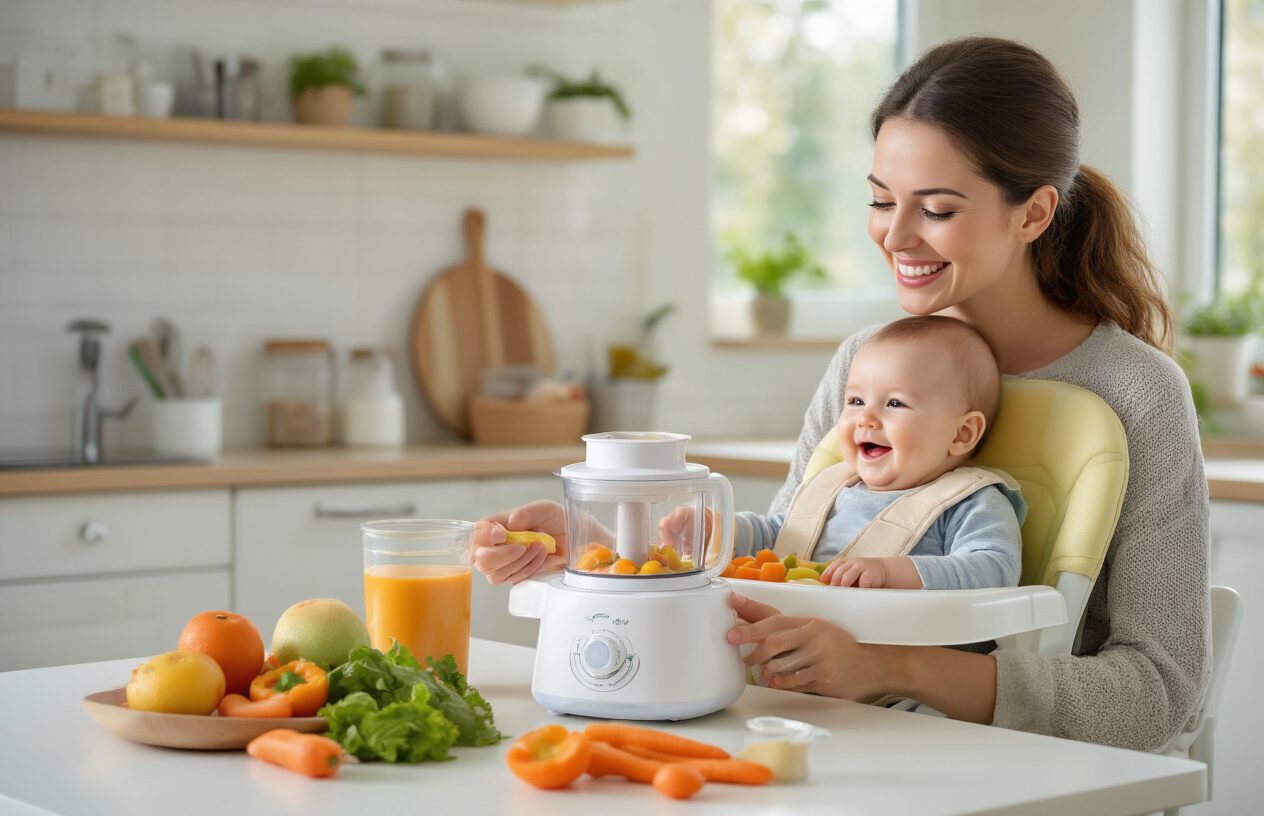
Choosing the right baby food maker is a significant decision for parents who want to provide fresh, nutritious meals for their little ones. As we’ve explored, understanding the various types of baby food makers, considering your budget, evaluating space constraints, and examining functionality are all crucial factors in making the best choice for your family. Equally important are the safety features, time-saving capabilities, and long-term durability of the appliance you select.
Remember that the perfect baby food maker is one that fits seamlessly into your lifestyle while meeting your baby’s nutritional needs. Whether you opt for a simple manual food mill or a comprehensive all-in-one system, your investment will pay dividends in both convenience and the quality of food you provide.
Start your homemade baby food journey with confidence, knowing you’ve selected the right tool to support your baby’s healthy development.