Baby Proofing Your Home: Keeping Little Fingers Safe from Electrical Outlets
New parents and caregivers know that curious toddlers have an amazing ability to find every potential hazard in the house. Electrical outlets present a serious safety risk for babies and young children who love to stick their tiny fingers into small spaces. Baby proofing your electrical outlets is one of the most important steps you can take to create a safe environment for your little explorer.
This guide walks you through everything you need to know about electrical outlet baby-proof covers. We’ll explore the different types of outlet covers available and help you choose the best options for your specific needs.
You’ll also receive a clear installation guide that makes protecting your outlets quick and straightforward, along with tips for keeping your safety system functioning properly as your child grows.
Table of Contents
Understanding Electrical Outlet Dangers for Babies: Baby Proofing

Common electrical hazards in homes with crawling babies
Electrical outlets pose serious risks when babies start exploring their environment through touch and taste. The most dangerous hazard comes from babies inserting small objects like keys, paperclips, or toys into outlet slots, which can cause electrical shock, burns, or even electrocution. Metal objects create direct pathways for electricity to flow through a baby’s body.
Water near electrical outlets creates another significant threat. Babies often have wet hands from drool, food, or drinks, and moisture dramatically increases the risk of electrical shock. Kitchens and bathrooms present particularly high-risk environments where water and electricity commonly coexist.
Damaged outlets with cracked covers, loose connections, or exposed wiring become especially dangerous around curious babies. These defective outlets can spark, overheat, or deliver unpredictable electrical currents. Old homes frequently have outdated electrical systems that lack modern safety features like Ground Fault Circuit Interrupters (GFCIs).
Statistics on electrical injuries in young children: Baby Proofing
The Consumer Product Safety Commission reports that approximately 2,400 children suffer electrical shock or burn injuries from household electrical outlets annually. Children under age five account for nearly 80% of these incidents, with toddlers aged 1-3 years representing the highest risk group.
Emergency rooms treat an estimated 4,000 electrical injuries in children each year, with outlet-related incidents comprising about 60% of these cases. The National Fire Protection Association data shows that electrical injuries send one child to the emergency room every two hours in the United States.
Tragically, electrical accidents cause approximately 100 pediatric deaths annually, with many involving simple household outlets. Burns represent the most common type of electrical injury in young children, often requiring extensive medical treatment and potentially causing permanent scarring or disfigurement.
Research indicates that 75% of electrical outlet injuries in children could be prevented through proper baby proofing measures. Homes without outlet covers experience five times more electrical injuries to young children compared to properly protected homes.
Age ranges when babies become most vulnerable to outlet risks
Babies typically begin showing interest in electrical outlets between 6-9 months when they start crawling and developing pincer grasp abilities. This developmental milestone allows them to pick up small objects and attempt to insert them into interesting holes they discover around the house.
The peak danger period spans from 12-24 months when toddlers combine mobility, curiosity, and improved fine motor skills. During this stage, children actively explore their environment but lack an understanding of electrical dangers. Their natural tendency to put objects in their mouths increases the risk of serious injury.
Children aged 18 months to 3 years face the highest statistical risk for outlet-related injuries. Their increased independence, climbing abilities, and problem-solving skills allow them to access outlets in previously unreachable locations. They can remove simple plug covers and figure out basic safety mechanisms.
The vulnerability period extends until approximately age 4-5 years, when children begin understanding safety concepts and following consistent rules about electrical hazards. Even then, proper outlet protection remains important since young children can forget safety instructions when excited or distracted during play.
Types of Electrical Outlet Baby Proof Covers Available
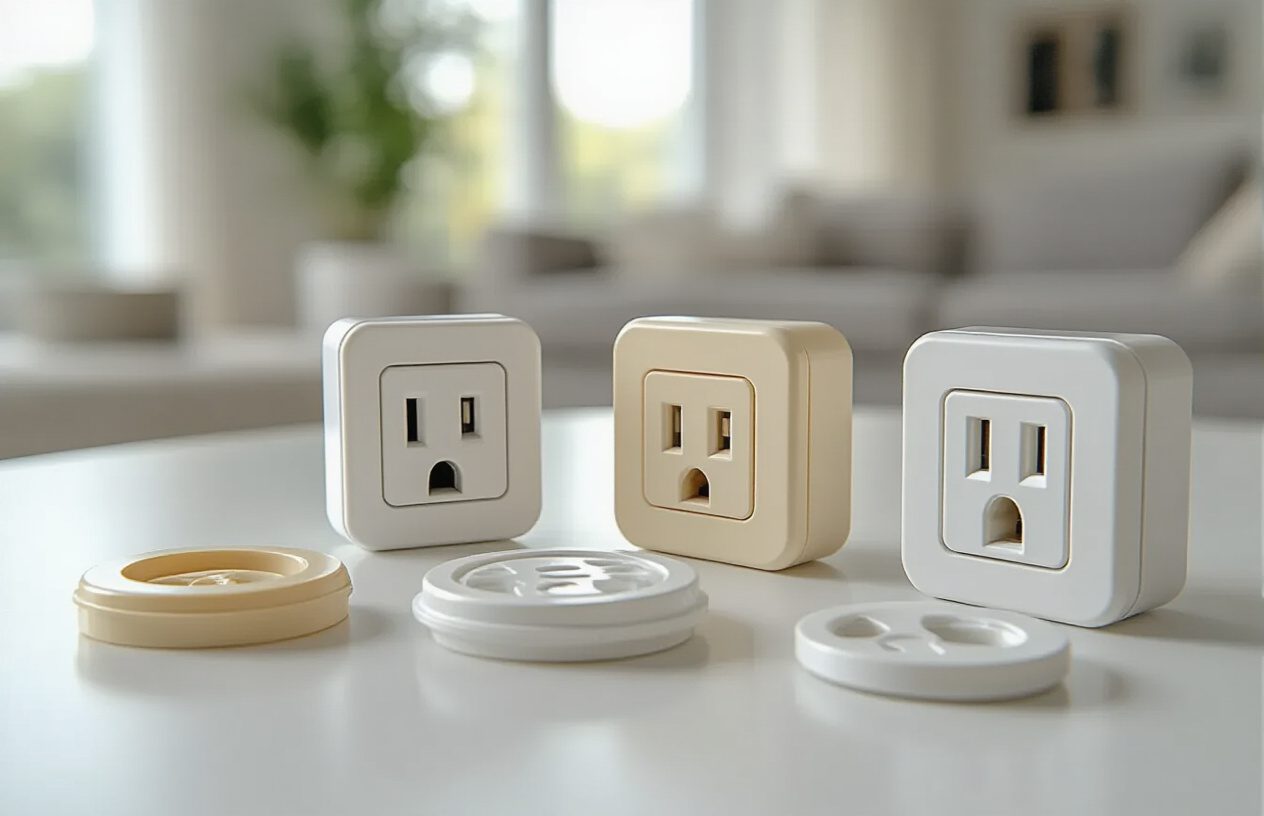
Plug-in Outlet Covers for Standard Protection: Baby Proofing
These simple plastic inserts are the most common choice for parents starting their baby proofing journey. They slip directly into unused outlets, creating a physical barrier that prevents curious little fingers from making contact with electrical components. The basic design features a small plastic plug that fits snugly into the outlet opening, making it difficult for babies and toddlers to remove without adult strength and dexterity.
Most plug-in covers come in neutral colors like white or clear plastic to blend seamlessly with your existing outlets. They’re incredibly affordable, often sold in multi-packs of 20 or more for just a few dollars. While they provide solid protection, adults need to remove them completely each time they want to use the outlet, which can become inconvenient in frequently used locations.
The effectiveness of these covers depends heavily on proper fit. Loose-fitting plugs can be pulled out by determined toddlers, while covers that are too tight may damage the outlet or break when removed. Look for covers specifically designed for your outlet type, as different manufacturers may have slightly different opening sizes.
Sliding Outlet Covers for Easy Adult Access
Sliding covers offer a perfect balance between child safety and adult convenience. These innovative designs feature a spring-loaded mechanism that automatically closes the outlet openings when plugs are removed. Adults can easily insert plugs by applying normal pressure, which slides the internal mechanism open, but the spring tension is too strong for small children to overcome.
The self-closing feature means you never have to remember to replace a cover after unplugging a device. This makes them ideal for outlets you use regularly, such as those in the kitchen for small appliances or in living areas for lamps and electronics. The continuous protection also eliminates the risk of forgetting to replace a standard plug-in cover.
Installation typically involves replacing your existing outlet plate with the sliding cover system. Most models work with standard electrical boxes and don’t require any rewiring. The covers maintain the same appearance as regular outlets, but with the added safety mechanism built right in. They’re slightly more expensive than basic plug-in covers but offer superior convenience and consistent protection.
Outlet Boxes and Comprehensive Safety Solutions: Baby Proofing
For the ultimate in electrical safety, outlet boxes provide complete coverage for outlets and their surrounding areas. These clear or opaque plastic enclosures fit over the entire outlet, including any plugs that might be inserted. They’re particularly useful for outlets where you need to keep devices permanently plugged in while still maintaining child safety.
Outlet boxes come in various sizes to accommodate different needs. Smaller versions work well for single outlets with one plug, while larger boxes can house multiple plugs or even small power strips. Many feature hinged lids that adults can open easily, but require two-handed operation or specific finger placement that’s challenging for young children.
Some comprehensive systems combine multiple safety features into one solution. These might include tamper-resistant outlets with built-in sliding mechanisms, GFCI protection, and even smart home integration that allows you to monitor and control power remotely. While these advanced systems represent a higher initial investment, they provide the most thorough protection and often include professional installation services.
The clear plastic construction of most outlet boxes allows you to see indicator lights on plugged-in devices while keeping everything safely enclosed. This visibility is especially important for items like phone chargers, where you need to confirm the charging status without removing the protective cover.
Selecting the Right Outlet Covers for Your Home
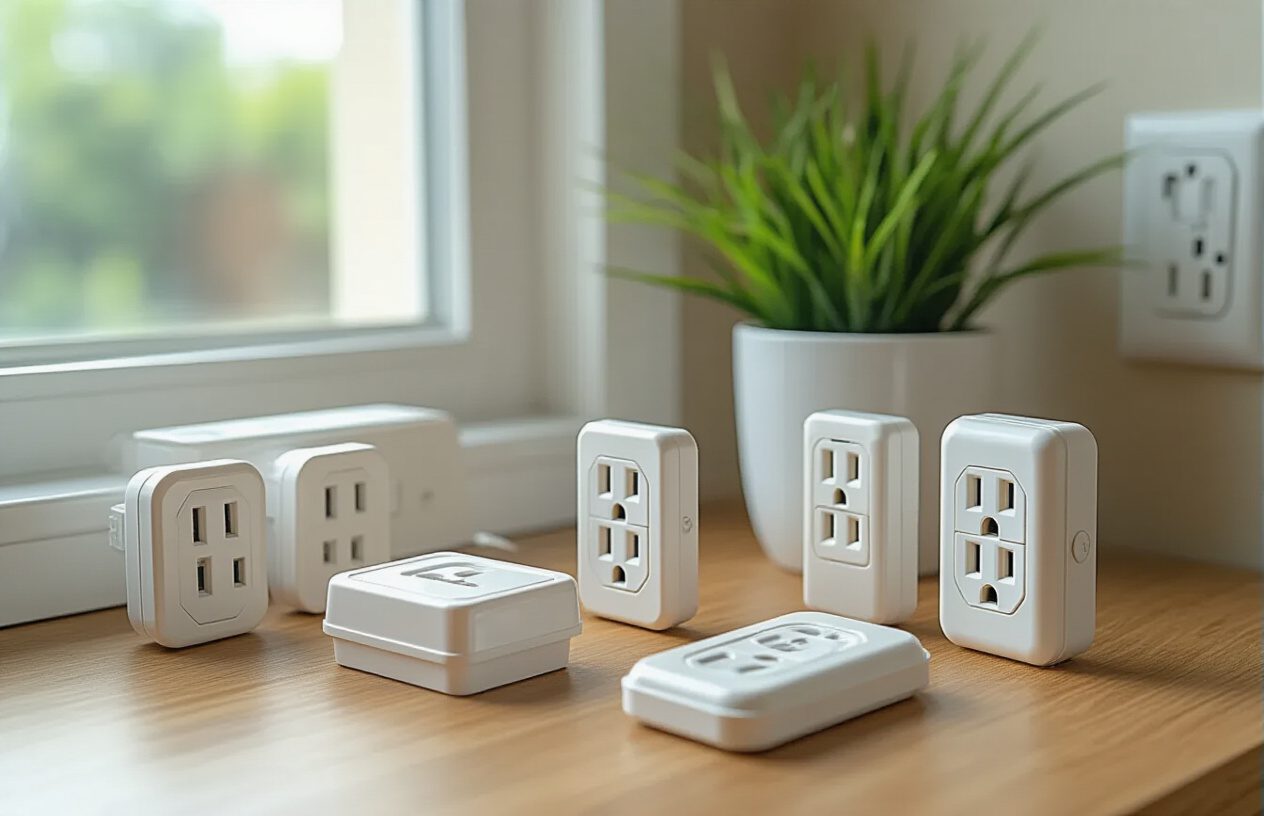
Evaluating different outlet types in your house: Baby Proofing
Walk through your home and take note of the different electrical outlets you have. Standard duplex outlets are the most common, but you might also find GFCI outlets in bathrooms and kitchens, decorator outlets with unique shapes, or older outlets without grounding. Each type needs specific covers that fit properly.
Check the condition of your outlets too. Loose or damaged outlets require immediate attention before any baby-proofing efforts. Some outlets sit flush with the wall, while others stick out slightly. This affects which covers will work best. Take photos or make notes as you go – this inventory will help when shopping for covers.
Considering ease of use for adults: Baby Proofing
Baby proofing shouldn’t turn your daily life into a struggle. Look for covers that adults can remove quickly but babies can’t figure out. Sliding plate covers work well because you simply slide them to access the outlet, then let them snap back into place.
Some covers require two-handed operation or specific techniques that might frustrate you after a long day. Test different styles if possible before buying in bulk. The best covers protect your child while letting you plug in devices without feeling like you’re solving a puzzle every time.
Consider which outlets you use most frequently. Kitchen and living room outlets might need different solutions than bedroom outlets that you rarely access.
Durability and long-term effectiveness factors
Quality covers withstand daily use and curious toddlers who test everything. Look for materials that won’t crack, fade, or break easily. Cheap plastic covers often become brittle over time, especially near heat sources or in sunny areas.
Check reviews for covers that maintain their spring tension or sliding mechanisms over months of use. Some covers lose their effectiveness as the internal mechanisms wear out, leaving your outlets vulnerable when you least expect it.
Weather and temperature changes affect different materials differently. Covers near windows, heating vents, or in basements need extra durability. The best covers maintain their protective function through various conditions without requiring frequent replacement.
Budget-friendly options versus premium safety features: Baby Proofing
| Feature | Budget Options | Premium Options |
|---|---|---|
| Price Range | $0.50-$2 per cover | $3-$15 per cover |
| Installation | Simple plug-in | May require tools |
| Adult Access | Basic removal | Advanced mechanisms |
| Durability | 1-2 years typical | 5+ years expected |
Basic plug-in covers cost pennies and work well for rarely-used outlets. They’re perfect for bedrooms or areas where you don’t frequently need access. However, they can be choking hazards if children remove them.
Premium covers with sliding mechanisms or automatic closure cost more upfront but offer better long-term value. They eliminate choking risks and provide easier adult access. Some premium options include tamper-resistant features that grow with your child.
Step-by-Step Installation Guide for Outlet Covers: Baby Proofing
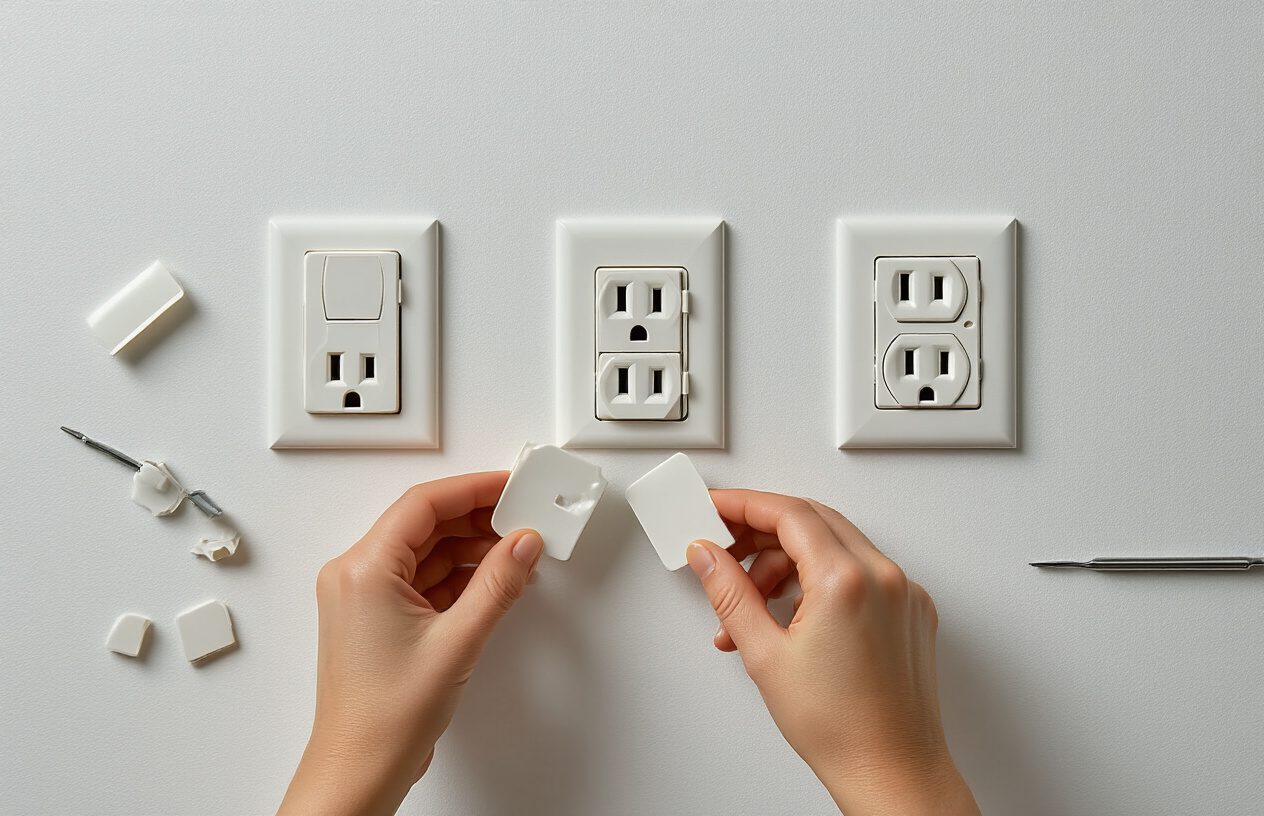
Tools and Materials Needed for Installation: Baby Proofing
Before diving into your baby proofing project, gather everything you’ll need to make the process smooth and efficient. Most outlet covers require minimal tools, making this a manageable DIY task for any parent.
Essential Tools:
- Phillips head screwdriver (for sliding plate covers)
- Flathead screwdriver (for removing existing outlet plates if needed)
- Voltage tester or non-contact voltage detector
- Small pliers (optional, for stubborn plugs)
Materials You’ll Need:
- Outlet covers (plug inserts, sliding plates, or box covers based on your preference)
- Replacement screws (if existing ones are damaged)
- Clean cloth or baby wipes
- Pencil for marking (if installing box covers)
Always turn off the power at the circuit breaker before working with any electrical components. A voltage tester helps confirm the power is actually off before you touch anything. Keep extra covers on hand since children sometimes remove or lose them during play.
Proper Placement Techniques for Maximum Safety: Baby Proofing
Smart placement makes all the difference between effective baby proofing and wasted effort. Start by crawling around your home at your child’s eye level to spot all accessible outlets – you’ll be surprised how many you miss from adult height.
Priority Outlets to Address:
- Living areas where children spend most time
- Kitchen outlets at counter level
- Bathroom outlets within reach
- Bedroom outlets near cribs or play areas
- Hallway outlets along crawling paths
Install plug inserts by pushing them firmly into both slots until they sit flush with the outlet face. The plastic should fit snugly without gaps. For sliding plate covers, remove the existing outlet plate by unscrewing it counterclockwise, align the new cover, and secure it with the provided screws.
Position the box over frequently used outlets where you need regular access. These work great for outlets behind furniture or in areas where you plug and unplug devices regularly. Make sure the cover sits flat against the wall without wobbling.
Testing Covers for Secure Fit and Functionality
Once installed, thorough testing ensures your baby proofing efforts actually protect your little one. A loose or improperly installed cover creates a false sense of security while potentially creating new hazards.
Testing Plug Inserts:
Pull gently on each insert to verify it won’t come out with light pressure. If you can remove it easily with your fingers, it’s too loose and needs replacement. Quality inserts should require deliberate adult strength to remove, typically using a plug or the removal tool that comes with some brands.
Testing Sliding Plate Covers:
Check that the sliding mechanism moves smoothly but requires adult finger strength to operate. The spring-loaded closure should snap back immediately after releasing pressure. Plug in a device to ensure the sliding action works properly, then unplug and verify the cover closes completely.
Testing Box Covers:
Press firmly around all edges to confirm the cover sits securely against the wall. The hinged door should close tightly and latch properly. If installing over GFCI outlets, test that you can still access the reset button through the cover’s design.
Final Safety Check:
Have your partner test each cover from a child’s perspective – can they access the outlet using typical toddler tactics like poking with toys or fingers? Replace any covers that fail this real-world test, as children are surprisingly resourceful at finding weaknesses in safety measures.
Maintaining and Upgrading Your Outlet Safety System
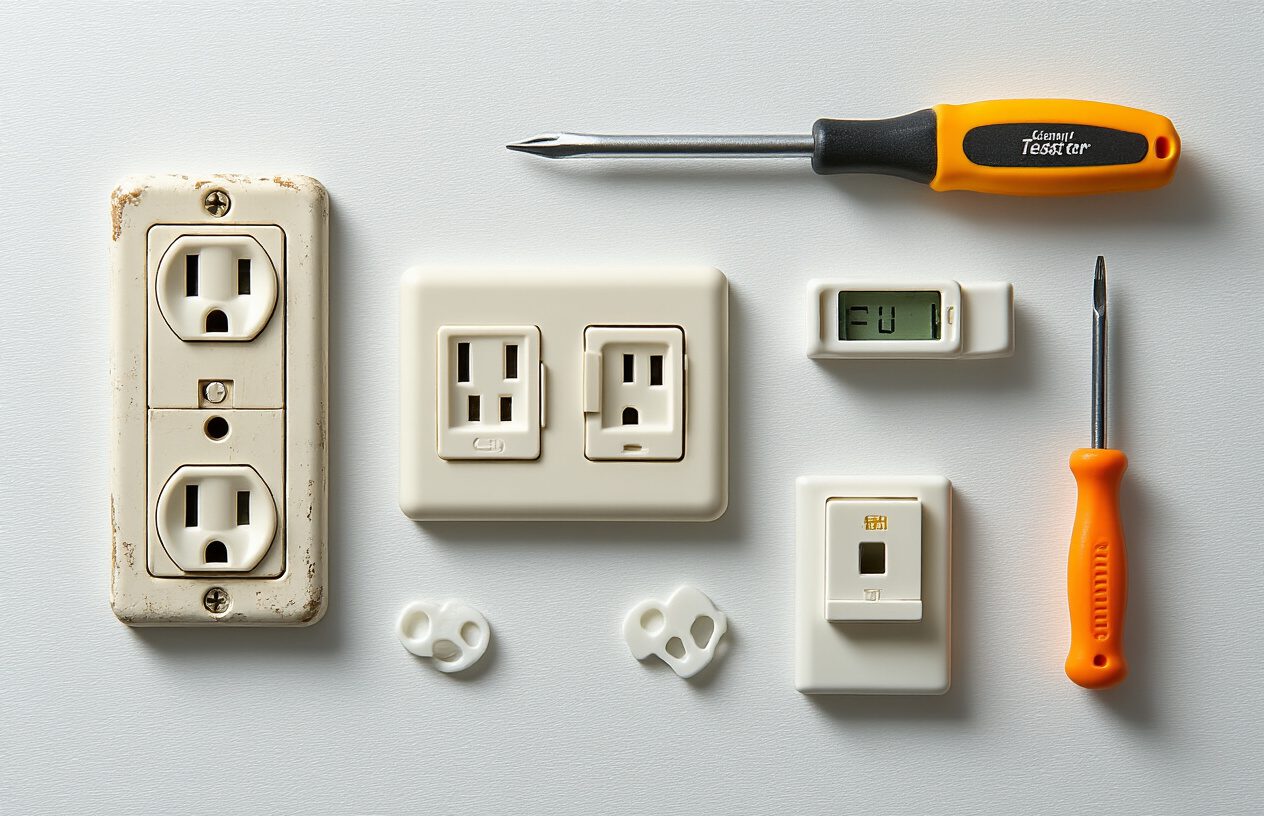
Regular Inspection Schedules for Worn Covers
Creating a monthly inspection routine keeps your baby proofing system working at peak performance. Walk through each room and check every outlet cover for signs of wear, loose fittings, or damage. Look for cracks, discoloration, or covers that pop out easily when touched.
Sliding outlet covers need extra attention since they experience more mechanical wear from repeated use. Check that the sliding mechanism moves smoothly and springs back into position. If the cover feels loose or wobbly, replace it immediately.
Mark your calendar for these inspections – consistency matters more than perfection. During your monthly check, also test that tamper-resistant outlets are still functioning properly by gently pressing the test button if your model includes one.
Keep a small notebook or phone app to track which covers need replacement. This prevents you from forgetting about a loose cover in the guest bedroom or basement area that doesn’t get daily use.
When to Replace Different Types of Safety Covers: Baby Proofing
Standard plug-in outlet covers typically last 12-18 months with normal use before the plastic becomes brittle or the fit loosens. Replace them immediately if they crack, change color significantly, or can be removed without tools.
Sliding outlet covers have moving parts that wear out faster, usually needing replacement every 8-12 months. Watch for covers that don’t slide smoothly, stick in place, or fail to return to the closed position automatically.
| Cover Type | Replacement Timeline | Warning Signs |
|---|---|---|
| Standard plug-in | 12-18 months | Cracks, loose fit, discoloration |
| Sliding covers | 8-12 months | Sticky movement, won’t close |
| Box covers | 2-3 years | Loose hinges, poor closure |
| Self-closing | 2-3 years | Spring failure, gaps when closed |
Temperature changes, humidity, and frequent handling accelerate wear. Covers near heating vents or in bathrooms may need more frequent replacement.
Transitioning Safety Measures as Children Grow Older
Around age 3-4, many children develop the dexterity and curiosity to defeat basic outlet covers. Start upgrading to more sophisticated protection before they figure out how to remove simple plug-in covers.
Consider installing permanent tamper-resistant outlets during your next electrical upgrade. These built-in safety features eliminate the need for removable covers and grow with your family.
As kids reach school age (5-7 years), focus shifts from preventing access to teaching electrical safety. Begin removing covers in common areas while maintaining protection in bedrooms and less-supervised spaces.
The transition timeline varies by child, but watch for these signs that upgrades are needed:
- Successfully removing outlet covers despite corrections
- Showing increased interest in electrical devices
- Demonstrating fine motor skills, like using scissors or small tools
- Beginning to understand cause-and-effect relationships
By age 8-10, most children understand basic electrical safety rules. You can remove most covers while keeping protection around water sources like bathrooms and kitchens. Always maintain GFCI protection in these areas regardless of your child’s age.
Remember that baby proofing isn’t just about the physical barriers – teaching respect for electrical safety creates lifelong habits that protect your growing family.
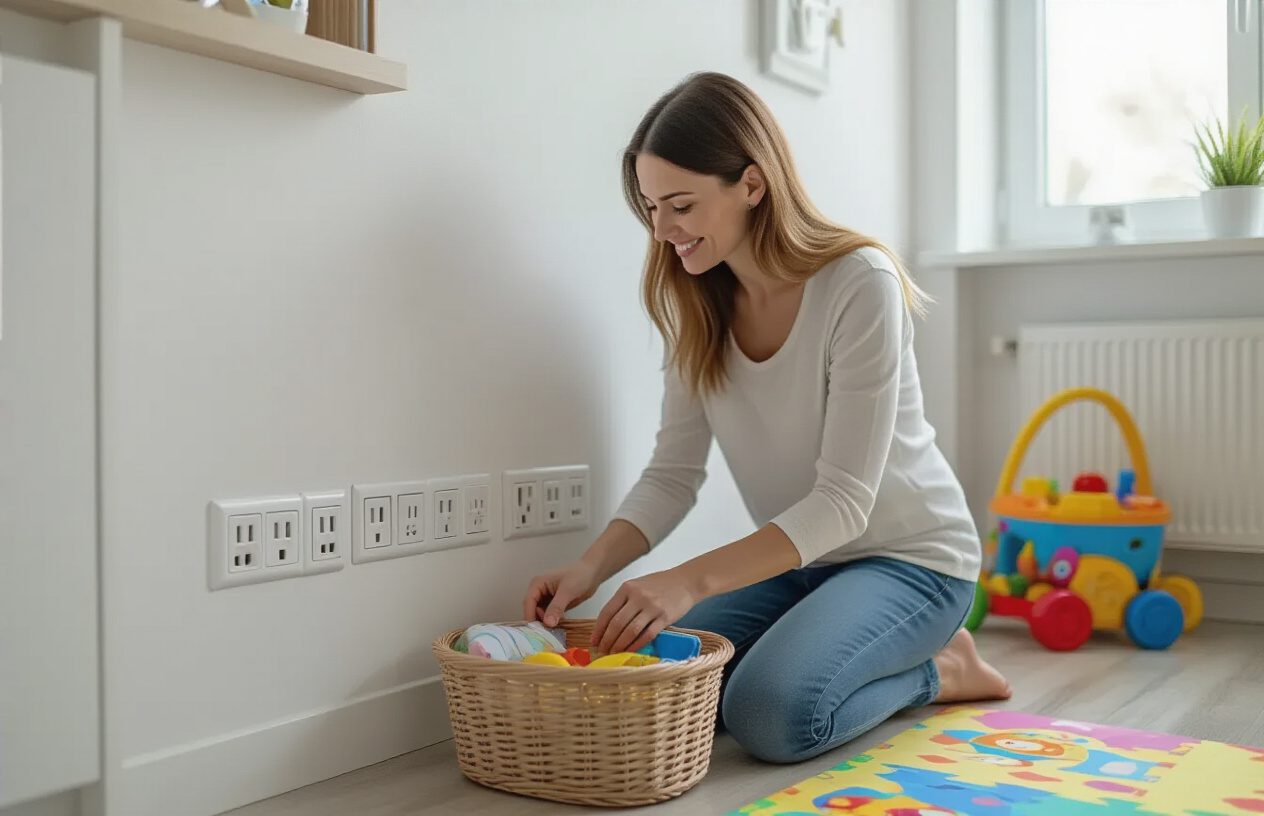
Keeping your little one safe from electrical outlets doesn’t have to be complicated or overwhelming. From simple plug covers to sliding plate covers and outlet caps, there’s a baby proofing solution that fits every home and budget. The key is choosing covers that match your outlets, installing them properly, and checking them regularly to make sure they’re still doing their job.
Remember that baby proofing is an ongoing process as your child grows and becomes more curious about their surroundings. Start with the basics, cover the outlets your baby can reach, and gradually expand your safety measures as they become more mobile.