Finding the right baby sleep sack can feel overwhelming with so many options available. This guide helps new parents, caregivers, and expecting families pick sleep sacks that match their baby’s specific developmental needs and age.
Sleep sacks provide a safe alternative to loose blankets while keeping your little one cozy throughout the night. Getting the right fit and features makes all the difference for your baby’s comfort and your peace of mind.
Table of Contents
Understanding Baby Sleep Sack Basics and Safety Benefits
What is a Baby Sleep Sack, and how does it differ from traditional blankets
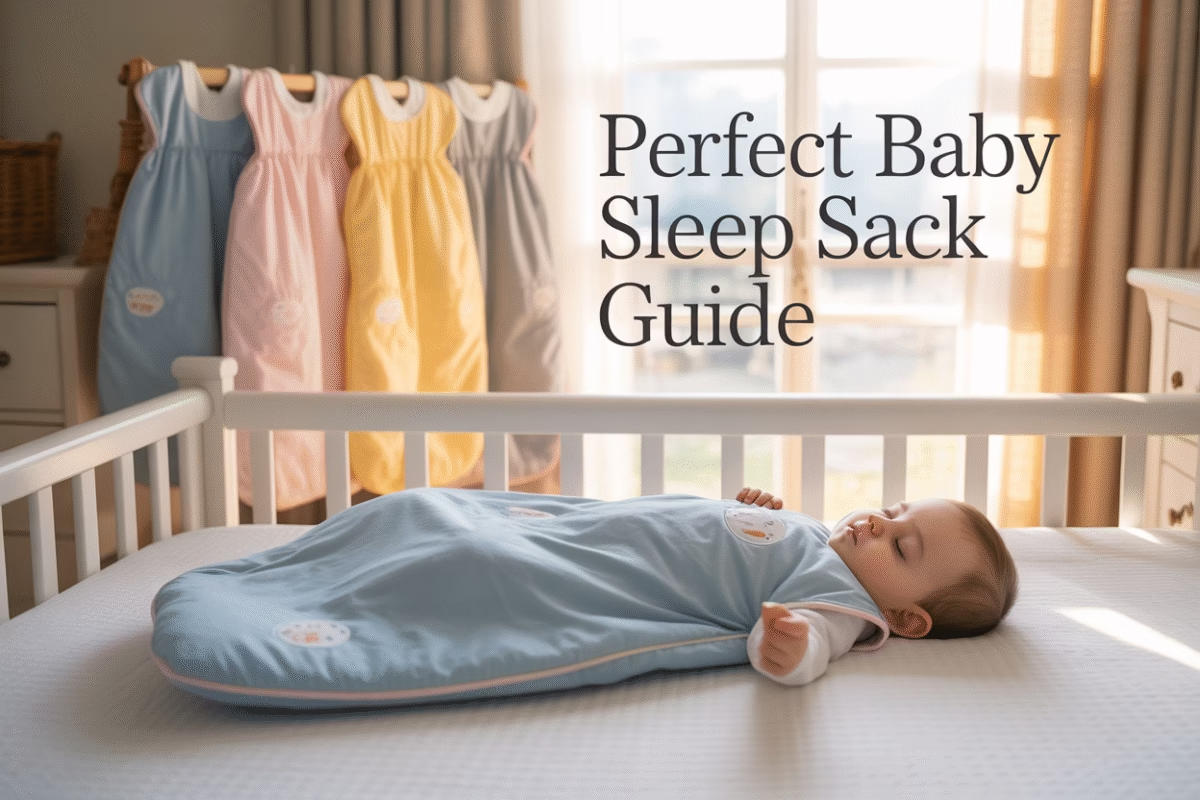
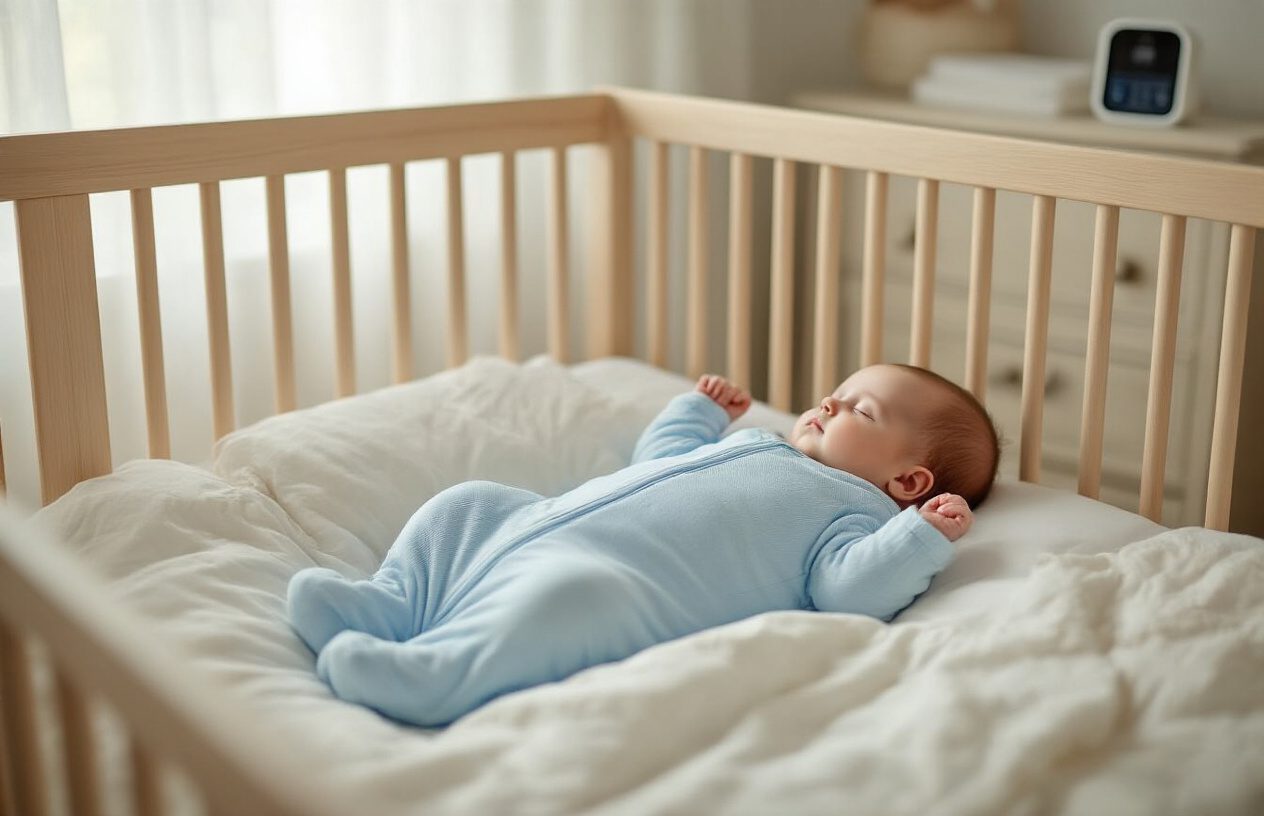
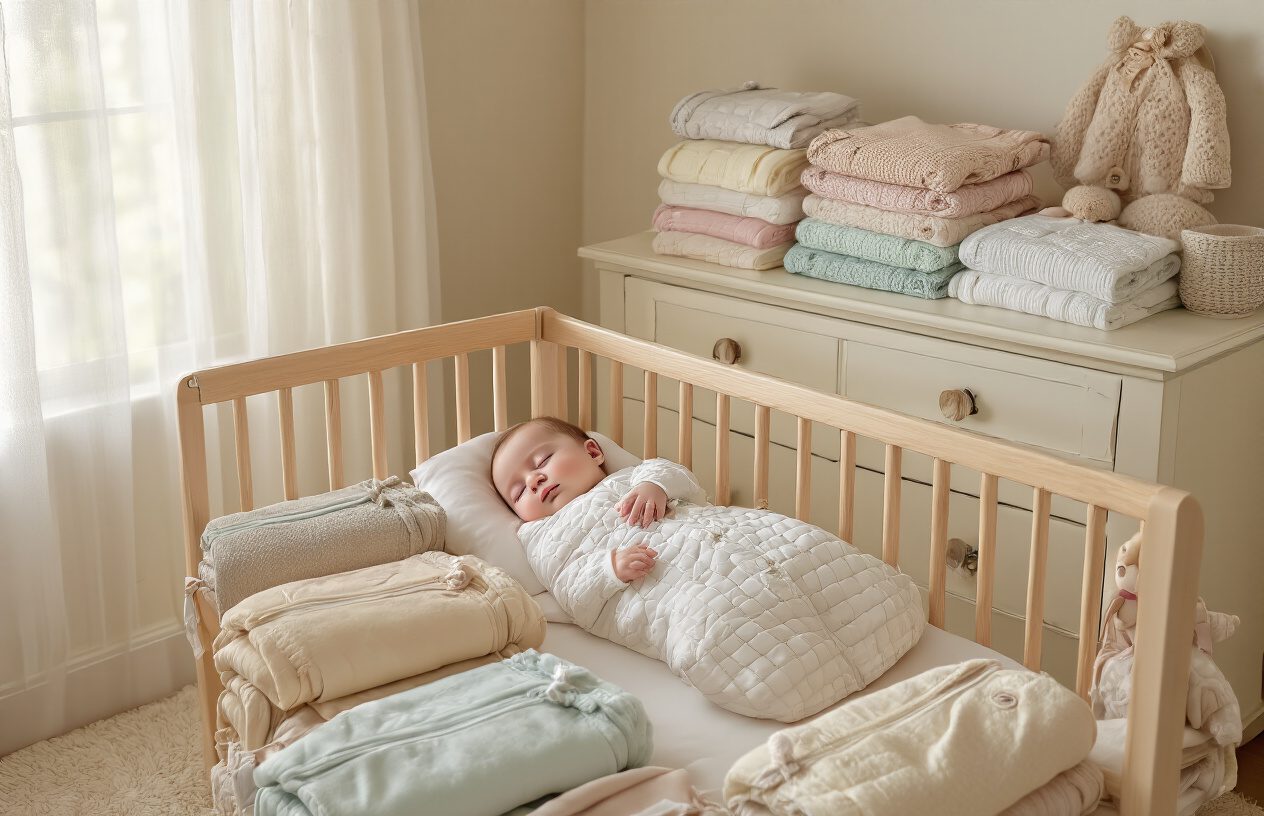
A baby sleep sack is essentially a wearable blanket that keeps your little one warm and secure throughout the night without the safety risks that come with loose bedding. Think of it as a sleeping bag designed specifically for babies and toddlers. The sleep sack zips up from the bottom and has armholes, allowing your baby’s arms to move freely while keeping their torso and legs covered.
Traditional blankets pose several challenges for infant sleep safety. They can easily shift during the night, potentially covering your baby’s face and creating breathing hazards. Babies also tend to kick blankets off, leaving them cold and disrupting their sleep. Sleep sacks eliminate these problems by staying securely in place all night long.
Key safety advantages for reducing SIDS risk: Baby Sleep Sack
Sleep sacks play a crucial role in creating a safer sleep environment that aligns with pediatric recommendations for reducing Sudden Infant Death Syndrome (SIDS) risk. The American Academy of Pediatrics strongly advocates for bare cribs with no loose bedding, pillows, or bumpers, and sleep sacks help parents follow these guidelines while still keeping babies warm.
The most significant safety advantage comes from eliminating loose blankets that could cover a baby’s face during sleep. Sleep sacks maintain a clear airway by staying positioned properly on the body, allowing unrestricted breathing throughout the night.
Sleep sacks also prevent babies from getting tangled in bedding or having fabric bunch up around their face and neck area. The secure fit around the shoulders means the garment stays in place even when babies roll over or move during sleep.
Another important safety benefit involves preventing babies from climbing out of their cribs too early. Sleep sacks limit leg movement just enough to make crib climbing more difficult, keeping toddlers safely contained longer.
Temperature regulation benefits for better sleep quality: Baby Sleep Sack
Proper temperature control is essential for quality infant sleep, and sleep sacks excel at maintaining consistent warmth throughout the night. Unlike loose blankets that can create hot spots or leave areas uncovered, sleep sacks distribute warmth evenly across your baby’s body.
Most sleep sacks come with TOG ratings that indicate their thermal resistance. This standardized system helps parents choose appropriate warmth levels based on room temperature and season:
| TOG Rating | Room Temperature | Season |
|---|---|---|
| 0.5-1.0 | 68-75°F | Summer |
| 1.0-2.5 | 65-72°F | Spring/Fall |
| 2.5-3.5 | 60-68°F | Winter |
The breathable fabrics used in quality sleep sacks help prevent overheating while maintaining comfortable warmth. Natural materials like cotton and bamboo wick moisture away from skin, keeping babies dry and comfortable.
Sleep sacks also eliminate the common problem of babies waking up cold after kicking off blankets. Consistent temperature throughout the night leads to longer, more restful sleep for both baby and parents.
When to transition from swaddling to sleep sacks
The transition from swaddling to sleep sacks typically happens between 2-4 months of age, but the timing depends on your baby’s individual development rather than a strict timeline. The key indicator is when your baby starts showing signs of rolling over or attempting to roll.
Signs it’s time to make the transition include:
- Baby breaking out of swaddles consistently
- Rolling from back to side during sleep
- Fighting the swaddle or seeming uncomfortable when wrapped
- The startle reflex (Moro reflex) begins to fade
- Baby showing a preference for having arms free
Some parents find success with transitional products that offer a middle ground between swaddling and full sleep sacks. These might include swaddles with removable arm sections or sleep sacks with interior swaddle wraps that can be gradually loosened.
The transition doesn’t have to happen overnight. You can start with naps in a sleep sack while continuing to swaddle for nighttime sleep, then gradually shift to using the sleep sack for all sleep periods once your baby adjusts.
Age-Specific Sleep Sack Selection Guidelines: Baby Sleep Sack
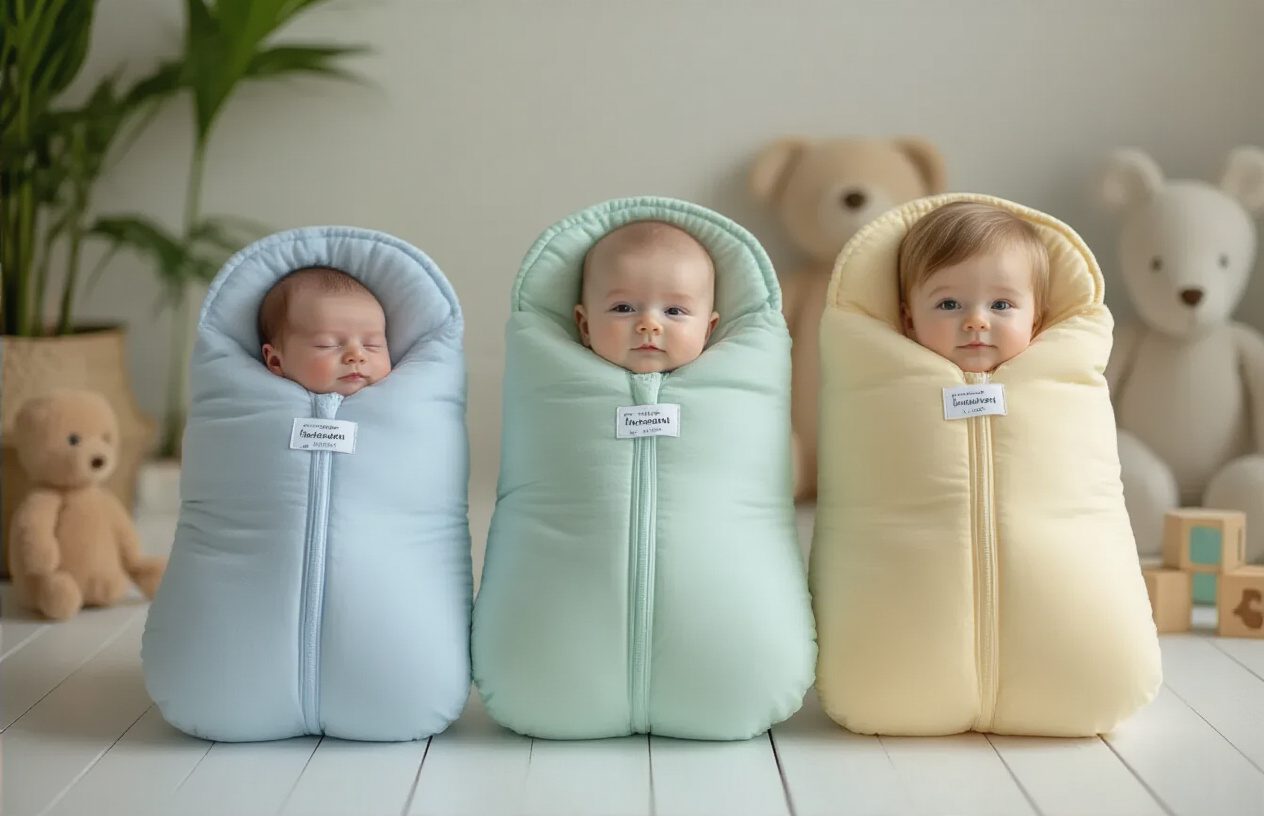
Newborn to 3 months: Size and swaddle transition features: Baby Sleep Sack
During the first three months, your baby’s sleep needs are quite different from older infants. Newborns are accustomed to the snug feeling of the womb, making swaddle-style baby sleep sack options ideal for this age group. Look for sleep sacks with built-in swaddle wings or wraparound designs that keep your baby’s arms securely positioned.
The key features to prioritize include adjustable swaddle mechanisms that allow for gradual arm freedom as your baby grows. Many babies start showing signs they’re ready to transition from full swaddling around 8-12 weeks, so having a baby sleep sack that converts from swaddle to arms-free is incredibly valuable.
Size-wise, newborn sleep sacks should fit snugly around the torso but allow plenty of room for hip movement. The shoulder and neck openings should be appropriately sized to prevent your baby from slipping down into the sack. Most newborns will need sizes ranging from preemie to 0-3 months, depending on their birth weight and growth rate.
3 to 6 months: Mobility considerations and arm freedom
As your baby enters the 3-6 month range, their sleep patterns and physical development create new requirements for sleep sack selection. This is typically when babies begin to show more active movement during sleep and may start attempting to roll over, though most won’t master this skill until closer to 6 months.
The transition to arms-free sleeping becomes important during this period. Your baby’s sleep sack should allow complete arm movement while maintaining the security and warmth around the torso and legs. Look for designs with wider arm openings that won’t restrict natural movement but aren’t so large that your baby could slip down inside.
Sleep sacks for this age group should accommodate the increased kicking and leg movement that’s common as babies develop stronger muscles. The bottom portion needs to be roomy enough for natural leg positioning and movement without being so loose that it creates bunching or safety concerns.
Consider sleep sacks with different tog ratings or seasonal variations, as babies this age are becoming more aware of temperature changes and may have preferences for slightly different warmth levels. The ability to layer underneath or choose different fabric weights becomes more important as your baby’s sleep environment preferences develop.
6 to 12 months: Rolling and crawling accommodation needs: Baby Sleep Sack
The 6-12 month period brings significant mobility milestones that directly impact sleep sack selection. Rolling over becomes a regular occurrence, and many babies begin crawling or showing pre-crawling behaviors like scooting and pushing up on their hands and knees.
Your baby’s sleep sack choice must accommodate safe rolling in both directions. Avoid any design elements that could interfere with natural rolling motions, such as excessive fabric bunching or restrictive arm areas. The sleep sack should move with your baby rather than hindering their natural sleep position changes.
Leg room becomes increasingly important as babies become more active. Look for sleep sacks with generous leg space that won’t restrict movement if your baby decides to practice crawling positions during sleep transitions. Some babies at this age prefer sleep sacks that separate at the legs rather than the traditional sleeping bag style.
The durability of materials becomes more critical since active babies put more wear on their sleepwear. Reinforced seams and quality zippers are essential, as is easy maintenance since active babies often require more frequent sleep sack changes.
Toddler options: Walking readiness and independence factors
Toddler sleep sacks serve a different purpose than infant versions, focusing more on comfort, routine maintenance, and preventing climbing out of cribs rather than basic safety needs. As your child approaches walking or has already mastered this skill, the sleep sack design needs to shift dramatically.
Walking toddlers need sleep sacks that allow for easy movement if they wake during the night and want to stand or move around their crib. Look for designs with adequate leg room and consider options that separate at the legs or have wider leg openings that don’t restrict natural standing motions.
Independence becomes a growing factor as toddlers develop preferences and opinions about their sleepwear. Some children this age prefer the continued security of a baby sleep sack, while others may resist anything that feels restrictive. Having options that feel less like traditional sleep sacks while maintaining the boundary-setting benefits can be helpful.
The primary benefit for toddler sleep sacks often shifts to preventing crib climbing and maintaining sleep boundaries rather than temperature regulation or basic safety. Choose designs that serve this purpose while respecting your toddler’s developing autonomy and comfort preferences.
Essential Features to Evaluate Based on Your Baby’s Development
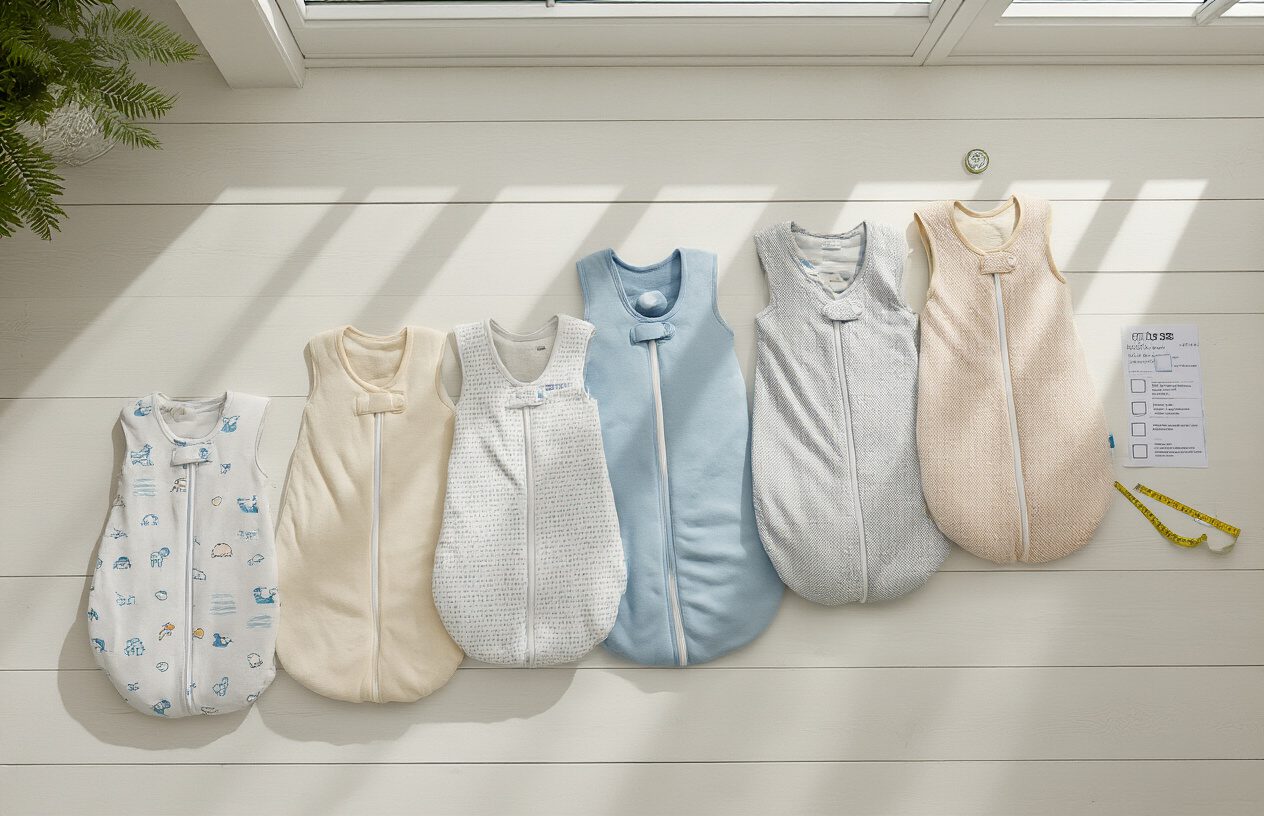
TOG Rating Selection for Seasonal Comfort: Baby Sleep Sack
TOG ratings measure thermal resistance in sleep sacks, helping you match the right warmth level to your baby’s sleeping environment. Think of TOG as your baby’s sleep sack’s thermostat – get it wrong, and your little one could overheat or feel too cold during the night.
For summer months or rooms between 70-75°F, choose a 0.5-1.0 TOG rating. These lightweight options keep babies comfortable without causing overheating. Spring and fall temperatures (65-70°F) work well with 1.0-2.5 TOG ratings, offering moderate warmth. Winter conditions or rooms below 65°F require 2.5-3.5 TOG ratings for proper insulation.
| Season/Room Temperature | Recommended TOG Rating | Additional Clothing |
|---|---|---|
| Summer (70-75°F) | 0.5-1.0 TOG | Diaper + light onesie |
| Spring/Fall (65-70°F) | 1.0-2.5 TOG | Diaper + long-sleeve onesie |
| Winter (Below 65°F) | 2.5-3.5 TOG | Diaper + footie pajamas |
Remember that babies can’t regulate their body temperature as effectively as adults. A baby sleep sack with the wrong TOG rating puts your child at risk for SIDS or sleep disruption. Always check the room temperature with a thermometer rather than guessing, and adjust your baby’s base layer clothing accordingly.
Zipper Placement and Safety Mechanisms: Baby Sleep Sack
Zipper design directly impacts both safety and convenience during those middle-of-the-night diaper changes. The best baby sleep sack options feature two-way zippers that allow bottom access without fully unzipping the garment. This design keeps your baby’s upper body warm while you handle quick diaper changes.
Look for zippers with protective fabric flaps or zipper guards near the neck area. These prevent the metal zipper from touching your baby’s delicate skin and reduce the risk of pinching. Quality sleep sacks include zipper pulls that lie flat against the fabric, eliminating potential choking hazards.
Side zippers offer excellent accessibility but require careful evaluation. Make sure side-zip models have secure closures that won’t accidentally open during sleep. Some babies prefer the unrestricted arm movement that side zippers provide, while others sleep better with traditional front zippers.
Consider your baby’s sleep position when choosing zipper placement. Active sleepers who move frequently during the night benefit from reinforced zipper tracks that withstand repeated movement without breaking or separating.
Fabric Choices for Sensitive Skin and Breathability
Fabric selection becomes critical when choosing a baby sleep sack, especially for infants with sensitive skin or allergies. Natural fibers like organic cotton and bamboo offer superior breathability while remaining gentle against delicate skin. These materials allow air circulation that prevents moisture buildup and reduces the risk of rashes or skin irritation.
Organic cotton stands out as the gold standard for baby sleep sacks. It’s hypoallergenic, soft, and improves with each wash. Cotton’s natural moisture-wicking properties help regulate your baby’s body temperature throughout the night.
Bamboo fabric brings antibacterial properties and exceptional softness to baby sleep sacks. This sustainable option naturally resists odors and provides excellent temperature regulation. Bamboo fibers create a silky-smooth texture that many babies find soothing.
Avoid synthetic materials like polyester or nylon for extended sleep periods. These fabrics trap heat and moisture, potentially causing discomfort or overheating. If you choose a sleep sack with synthetic elements, ensure they’re limited to structural components like zippers or snap reinforcements.
Sizing and Fit Guidelines for Maximum Safety and Comfort: Baby Sleep Sack
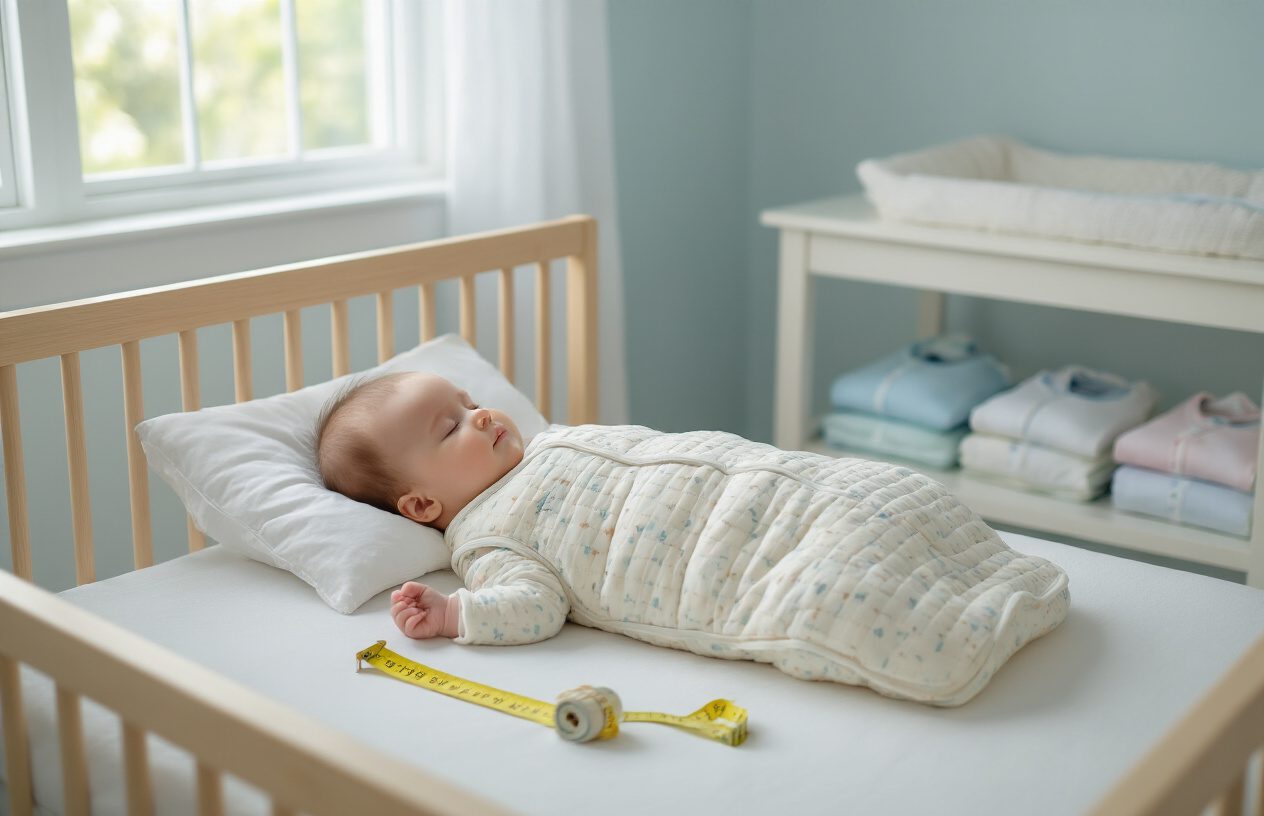
Measuring Your Baby Correctly for Proper Fit
Getting the right measurements is your first step to finding a Baby Sleep Sack that keeps your little one safe and cozy. Start by measuring your baby while they’re lying down in a relaxed position. You’ll need their height from the top of their head to their heels, chest circumference at the widest point, and their current weight.
Most manufacturers provide sizing charts that combine these measurements, but don’t rely solely on age ranges printed on packaging. Babies grow at different rates, and a 6-month-old might need a size meant for 9-month-olds. Always check the weight and height limits rather than just grabbing what matches your baby’s age.
Measure your baby when they’re calm and not stretching or curled up. For chest measurements, wrap a soft measuring tape around the fullest part of their chest, making sure you can slip one finger underneath the tape. This extra space accounts for breathing room and comfort during sleep.
Room for Growth Without Compromising Safety: Baby Sleep Sack
A properly fitted Baby Sleep Sack should allow some growing room, but not too much. The general rule is that you should be able to fit two fingers between your baby’s chest and the sleep sack fabric. This gives them enough space to breathe comfortably and move their arms without the garment being loose enough to pose a safety risk.
When considering room for growth, think about your baby’s current development stage. Newborns grow rapidly in their first few months, so you might want slightly more room. However, older babies who are more mobile need a more precise fit to prevent tangling or the sleep sack from riding up over their faces.
Shoulder and Neck Fit Requirements: Baby Sleep Sack
The shoulder and neck area deserves special attention when fitting a Baby Sleep Sack. The armholes should fit snugly around your baby’s arms without being tight enough to leave marks or restrict circulation. You should be able to slip one finger between the armhole and your baby’s arm.
Check that the neck opening sits comfortably against your baby’s neck without gaps large enough for their head to slip through. The neck should never be loose enough that your baby could slide down inside the sleep sack. Many parents find that testing this fit while their baby is lying down gives the most accurate assessment.
Different sleep sack styles have varying neck designs. Some feature envelope shoulders that stretch for easy dressing, while others have fixed openings. Choose based on your baby’s size and your comfort level with getting them dressed for sleep.
Leg Room Considerations for Natural Movement
Babies need enough leg room in their sleep sacks to move naturally and comfortably throughout the night. The bottom of the sleep sack should allow your baby to bend their knees and move their legs freely without the fabric becoming taut or restrictive.
For younger babies who aren’t yet mobile, you can choose sleep sacks with a more fitted leg area. However, once your baby starts showing signs of wanting to roll or move more during sleep, opt for styles that provide generous leg room. Some sleep sacks feature a wider bottom design specifically for active sleepers.
Measure from your baby’s waist to their feet, then add about 6 inches for comfortable leg movement. The sleep sack should never be so long that excess fabric bunches around their feet, as this can interfere with natural leg positioning and potentially cause discomfort.
Common Sleep Sack Selection Mistakes to Avoid
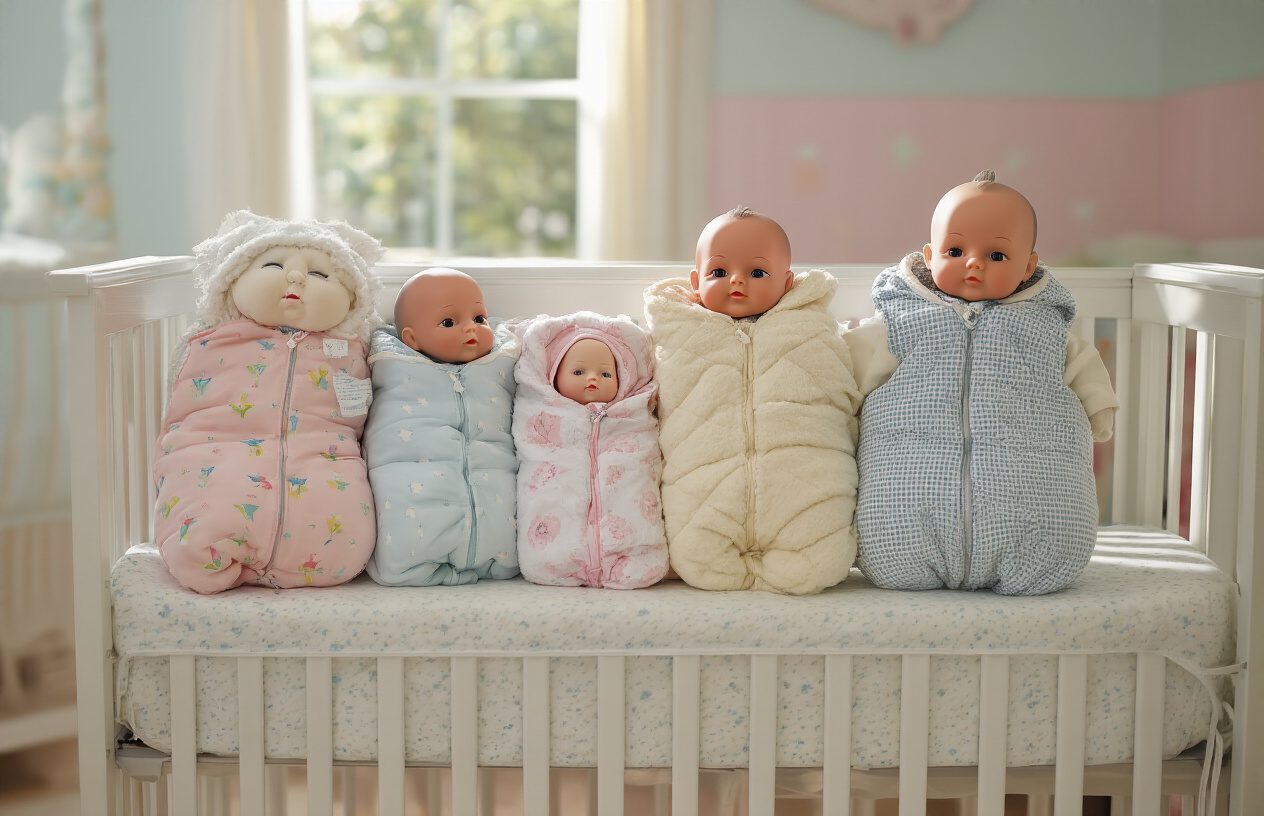
Choosing the wrong TOG rating for room temperature
TOG ratings measure thermal resistance, and picking the wrong one can leave your baby too hot or too cold throughout the night. Many parents grab the first baby sleep sack they see without checking the TOG rating, which ranges from 0.5 for warm summer nights to 2.5 for chilly winter rooms.
The sweet spot for most nurseries is a 1.0 TOG rating when room temperature sits between 68-72°F. If your baby’s room runs warmer than 75°F, you’ll want a 0.5 TOG or even consider a sleeveless option. For cooler rooms below 65°F, a 2.5 TOG provides the right amount of warmth.
Check your baby’s chest or the back of the neck to gauge comfort – they should feel warm but not sweaty. Red faces, damp hair, or excessive fussiness often signal overheating, while cold hands and restless sleep might mean your little one needs more warmth.
| Room Temperature | Recommended TOG | Additional Clothing |
|---|---|---|
| 60-65°F | 2.5 TOG | Long-sleeved onesie |
| 65-70°F | 1.0 TOG | Long-sleeved onesie |
| 70-75°F | 0.5 TOG | Short-sleeved onesie |
| Above 75°F | 0.5 TOG or sleeveless | Diaper only |
Sizing up too much for extended use
Buying a larger size, hoping your baby will grow into it, creates serious safety risks. Loose-fitting sleep sacks can bunch up around your baby’s face, potentially blocking airways or creating suffocation hazards.
The armholes deserve special attention – they should fit snugly around your baby’s arms without being too tight. If you can fit more than two fingers between the armhole and your baby’s arm, the sleep sack is too big. The neck opening should allow one finger’s width of space.
Length matters just as much. Your baby should have room to move their legs freely, but excess fabric at the bottom can tangle around their feet or create tripping hazards once they start standing and walking.
Ignoring fabric quality and washing requirements
Not all fabrics are created equal, and some baby sleep sack materials can irritate sensitive skin or fall apart after a few washes. Cheap synthetic materials often trap heat poorly, causing temperature regulation issues that disrupt sleep.
Look for natural fibers like organic cotton, bamboo, or merino wool. These materials breathe better, regulate temperature naturally, and tend to get softer with each wash rather than rougher. Bamboo offers excellent moisture-wicking properties, while merino wool provides natural temperature regulation in both warm and cool conditions.
Read care labels before purchasing. Sleep sacks that require special washing conditions or air-dry only become impractical when dealing with inevitable nighttime accidents. You need options that can handle frequent hot water washes and tumble drying without losing shape or softness.
Pre-wash new sleep sacks before first use to remove manufacturing chemicals and check for shrinkage. Some materials shrink significantly, turning a perfect fit into a too-tight garment that restricts movement.
Finding the right sleep sack doesn’t have to feel overwhelming once you understand the basics. Remember that your baby’s age and developmental stage should guide your choice, from lightweight options for newborns to transitional designs for toddlers who are ready to move around more. Pay attention to the TOG rating, fabric breathability, and safety features like proper neck and armhole sizing that prevent your little one from slipping inside.