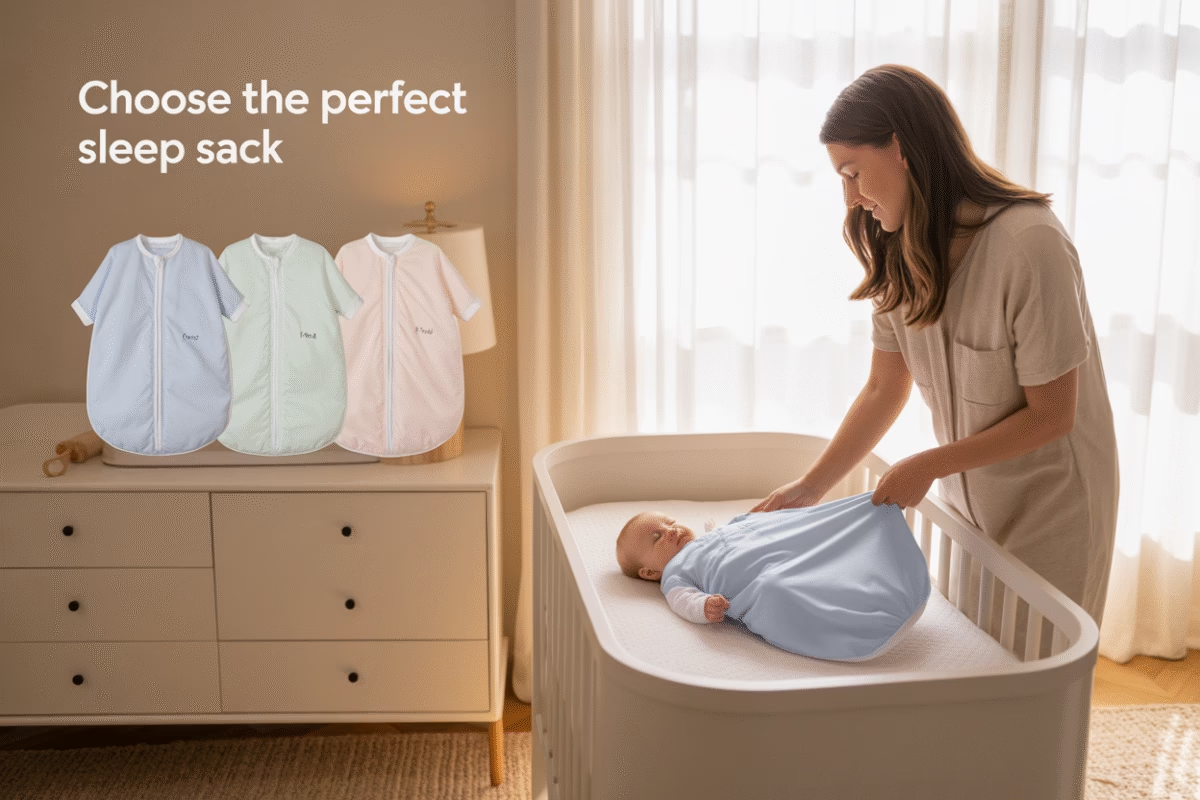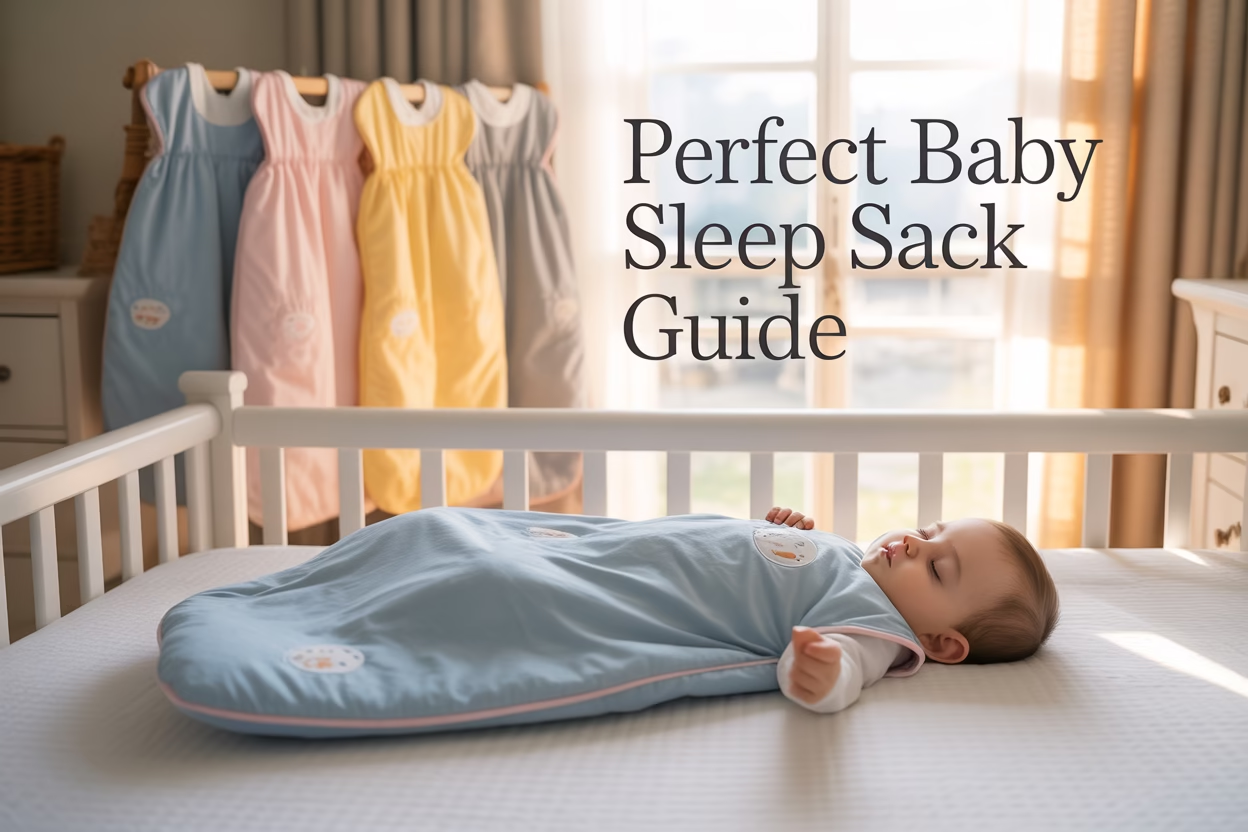
Getting good sleep for your baby (and yourself!) starts with choosing the right baby sleep sack. These wearable blankets have become a nursery must-have for parents who want to keep their little ones cozy without the safety risks of loose bedding.
This guide is perfect for new parents, expecting families, and anyone shopping for baby gear who feels overwhelmed by the countless sleep sack options available today.
We’ll walk through the key safety benefits that make sleep sacks so popular with pediatricians and parents alike. You’ll also discover the essential features that separate high-quality options from budget alternatives, plus learn about different types designed for newborns versus older babies.
By the end, you’ll know exactly what to look for and how to find the best value for your family’s needs.
Table of Contents
Understanding Baby Sleep Sack and Their Safety Benefits
What makes sleep sacks safer than traditional blankets: Baby Sleep Sack
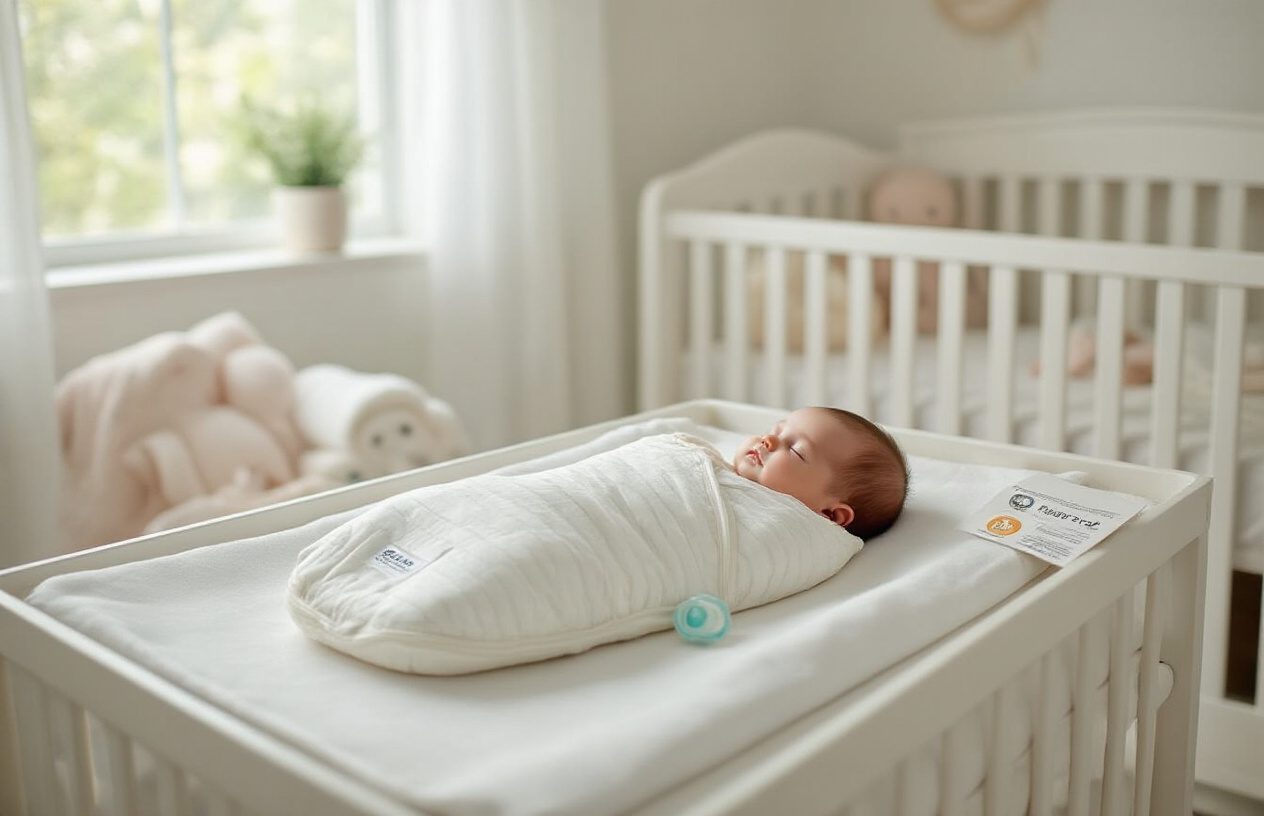
Baby sleep sacks eliminate the loose bedding hazards that traditional blankets create in cribs. Unlike blankets that can shift, bunch up, or slide over a baby’s face during sleep, a baby sleep sack stays securely positioned around the torso while leaving the head and neck completely unobstructed. This design prevents accidental suffocation risks that loose bedding poses.
Sleep sacks also remove the temptation for parents to add extra layers or stuffed animals to the crib. When your baby is wearing a properly fitted sleep sack, you know they have adequate warmth without needing additional items that could create breathing obstacles. The wearable design means babies can’t kick off their covering and become cold, yet they also can’t pull fabric over their heads.
How sleep sacks reduce SIDS risk
Sleep sacks directly support safe sleep guidelines established by pediatric organizations worldwide. The American Academy of Pediatrics strongly recommends keeping cribs free of loose bedding, bumpers, and soft objects to reduce Sudden Infant Death Syndrome (SIDS) risk. A baby sleep sack allows parents to follow these guidelines while ensuring their infant stays warm throughout the night.
Research shows that overheating increases SIDS risk, and sleep sacks help maintain optimal body temperature without the layering guesswork that comes with blankets. The breathable designs prevent heat buildup around the face and neck area, while the fitted armholes ensure proper ventilation.
Sleep sacks encourage back sleeping, the safest position for infants. The design makes it comfortable for babies to remain on their backs throughout the night, as they don’t need to adjust positioning to stay covered like they might with loose blankets.
Temperature regulation advantages for better sleep
Quality baby sleep sacks offer superior temperature control compared to traditional blankets through their thoughtful design and fabric choices. The sleeveless construction allows heat to escape through the armholes while maintaining core warmth, preventing the overheating that disrupts infant sleep patterns.
Many sleep sacks feature TOG (Thermal Overall Grade) ratings that help parents select appropriate warmth levels for different room temperatures. This scientific approach to thermal regulation takes the guesswork out of dressing babies for sleep, ensuring comfort in various seasonal conditions.
The even heat distribution that sleep sacks provide prevents hot spots that can develop with layered blankets. Babies often sleep more deeply and for longer periods when their body temperature remains stable throughout the night, leading to better rest for the entire family.
Freedom of movement while maintaining security: Baby Sleep Sack
A well-designed baby sleep sack allows natural leg and hip movement that’s essential for healthy development while providing the cozy feeling babies crave. The roomy bottom section lets babies move their legs freely, kick, and adjust positions naturally during sleep cycles.
This movement freedom supports proper hip development, as restrictive sleepwear can contribute to hip dysplasia in some cases. Sleep sacks designed with adequate room through the hips and legs promote healthy positioning while babies sleep.
The combination of security around the torso and freedom through the lower body helps babies self-soothe and resettle during normal nighttime stirring. They can move comfortably without becoming tangled or losing their covering, which often prevents the brief awakenings that can escalate into full wake-ups with traditional blankets.
Essential Features to Look for in Quality Baby Sleep Sack
Proper Sizing Guidelines for Different Age Groups
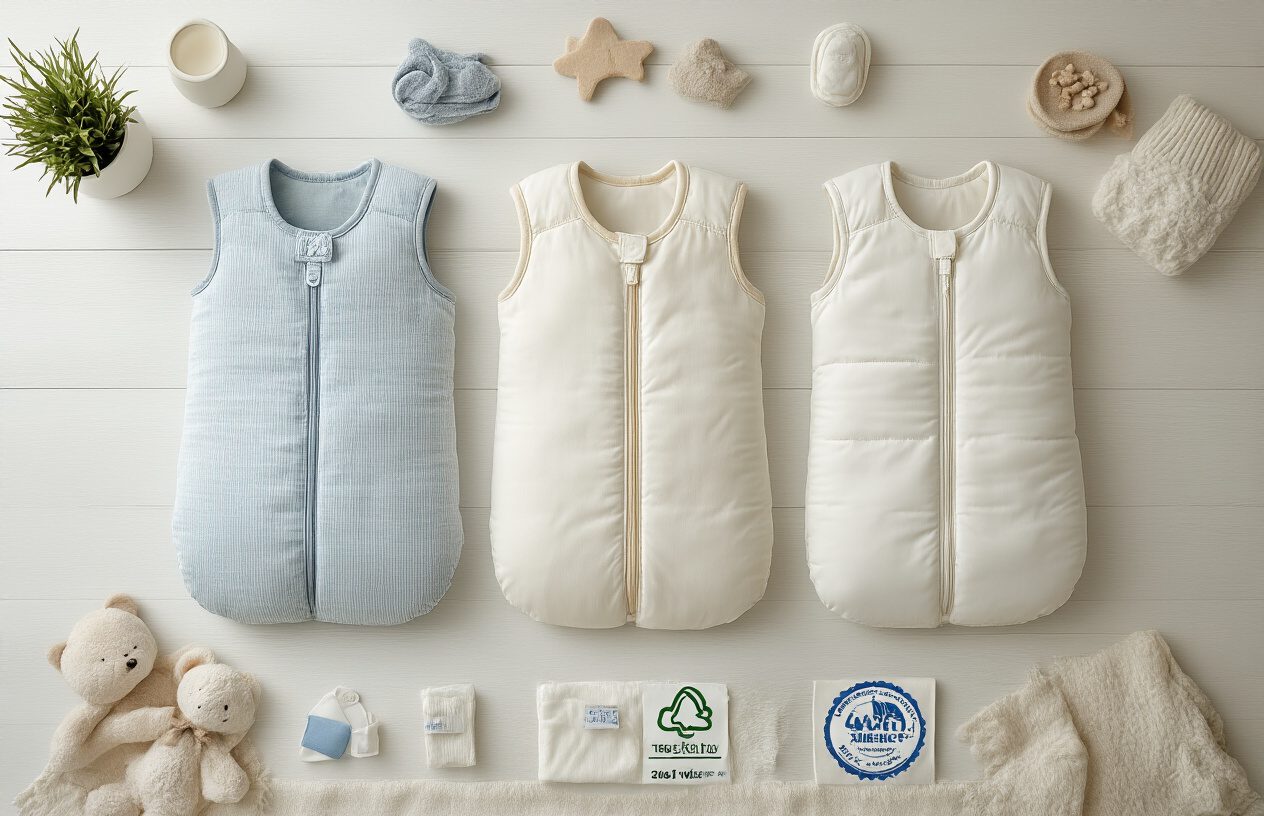
Getting the right size baby sleep sack makes all the difference between peaceful nights and restless ones. Your little one should have enough room to move their legs freely while keeping their arms secure. Most brands follow standard age ranges, but checking actual measurements works better than relying on age alone.
For newborns to 3 months, look for sleep sacks measuring 20-22 inches in length. These smaller sizes typically accommodate babies weighing 6-12 pounds. The 6-12-month size usually measures 24-26 inches and fits babies weighing 12-18 pounds. Toddler sizes range from 28-32 inches for children weighing 18-28 pounds.
TOG Ratings and Seasonal Temperature Considerations: Baby Sleep Sack
TOG ratings measure thermal resistance, basically telling you how warm a baby sleep sack will keep your child. This European standard ranges from 0.5 for summer to 3.5 for winter conditions.
| TOG Rating | Room Temperature | Season | What to Wear Underneath |
|---|---|---|---|
| 0.5-1.0 | 68-75°F | Summer | Diaper or light onesie |
| 1.5-2.5 | 61-68°F | Spring/Fall | Light pajamas |
| 2.5-3.5 | 61°F and below | Winter | Warm pajamas |
Room temperature matters more than outdoor weather. A 1.0 TOG sleep sack works perfectly for air-conditioned rooms in summer, while a 2.5 TOG handles most fall and spring nights. Many parents buy two different TOG ratings to cover seasonal changes.
Zipper Placement and Safety Mechanisms
Zipper design can make or break your sleep sack experience. Two-way zippers that open from both top and bottom offer the most convenience, especially during nighttime diaper changes. You can unzip from the bottom without disturbing your sleeping baby’s upper body.
Safety features to look for include:
- Zipper guards or chin protectors to prevent scratching
- Internal zipper flaps that lie flat against the baby’s skin
- Rounded zipper pulls that won’t catch on other fabrics
- Reinforced stitching around zipper areas
Bottom-up zippers work well for active babies who might grab at the zipper pull. Some sleep sacks feature snap closures at the shoulders for easy over-the-head removal, which helps when dealing with diaper blowouts.
Fabric Breathability and Comfort Factors
Natural fibers like cotton, bamboo, and merino wool offer superior breathability compared to synthetic materials. These fabrics wick moisture away from your baby’s skin and regulate temperature naturally. Organic cotton remains the most popular choice because it’s soft, durable, and machine washable.
Bamboo fabric feels silky smooth and naturally resists bacteria and odors. It works especially well for babies with sensitive skin or eczema. Merino wool might sound hot, but it actually provides excellent temperature regulation in both warm and cool conditions.
Avoid fabrics with rough textures or excessive decorative elements that could irritate delicate skin. Pre-washed fabrics prevent shrinkage issues after the first wash. Check that all seams are flat or rolled to eliminate pressure points.
Easy Diaper Change Accessibility Features: Baby Sleep Sack
Nobody wants to fully undress a sleeping baby for diaper changes. The best baby sleep sacks make nighttime changes quick and simple. Two-way zippers allow you to access the diaper area without removing the entire sleep sack.
Some sleep sacks feature:
- Snap-open bottoms for ultra-quick changes
- Wide leg openings that accommodate cloth diapers
- Expandable shoulder openings for easy removal if accidents
- Inverted zippers that prevent babies from unzipping themselves
Consider your diaper type when choosing accessibility features. Cloth diapers need more room than disposables, so look for sleep sacks with generous hip measurements. Parents using overnight diapers often prefer snap-bottom styles that provide maximum access without fumbling with zippers in the dark.
Different Types of Sleep Sacks for Various Sleep Stages
Swaddle Transition Sleep Sacks for Newborns
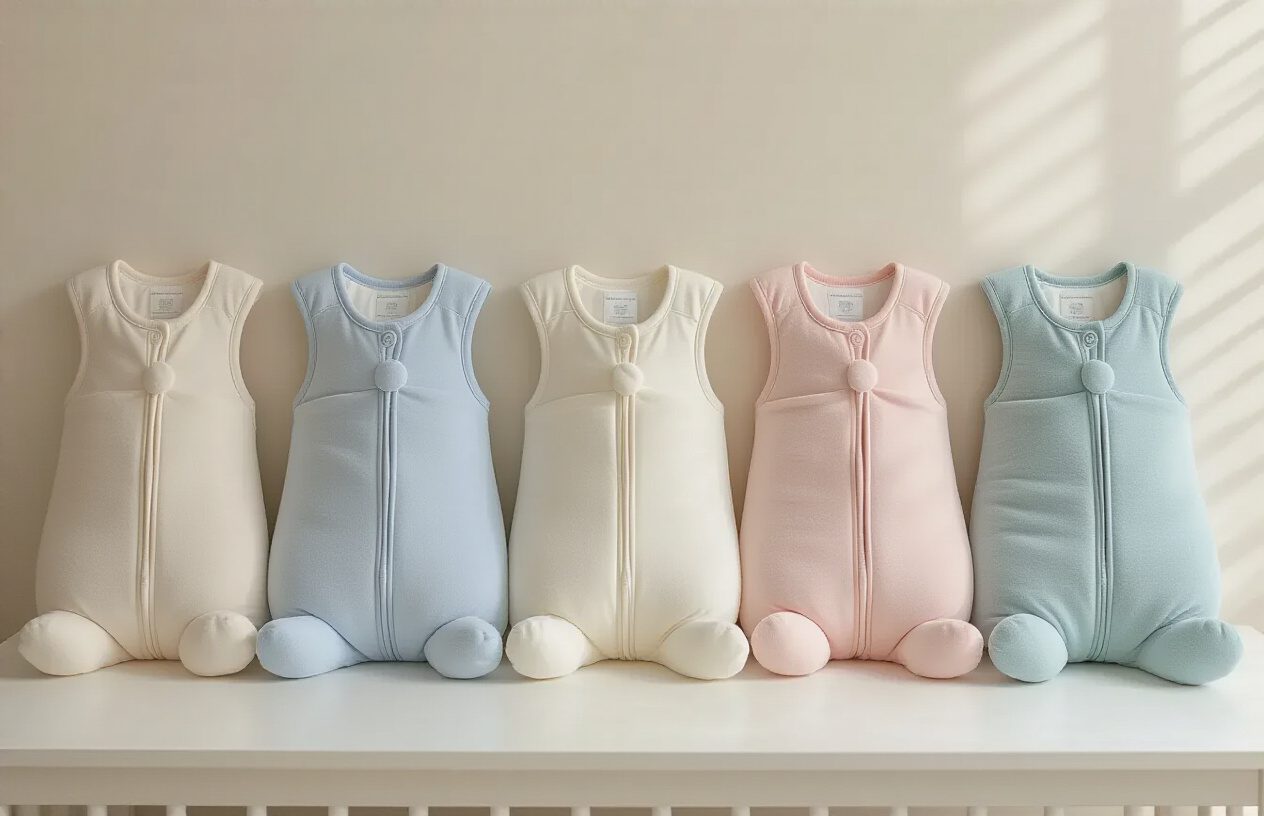
Newborns are used to the snug feeling of the womb, making the transition to open sleep challenging. Swaddle transition baby sleep sack options bridge this gap perfectly by offering arms-up positioning or partial arm freedom. These specialized sleep sacks feature innovative designs that allow babies to gradually adjust to having their arms free while still feeling secure.
The arms-up style mimics babies’ natural sleep position in the womb, where they often keep their hands near their face. This design helps reduce the startle reflex that can wake sleeping newborns. Many parents find these particularly helpful during the 2-4 month period when traditional swaddling becomes unsafe, but babies still crave that cozy feeling.
Some swaddle transition models come with removable arm panels, allowing you to customize the level of restriction based on your baby’s comfort. Start with arms partially covered, then gradually remove panels as your little one adapts to free arm movement.
Traditional Sleep Sacks for Established Sleepers
Once babies outgrow the need for swaddling support, traditional sleep sacks become the go-to choice for safe sleep. These wearable blankets provide warmth and comfort without the safety risks associated with loose bedding. The classic design features a roomy body with armholes, allowing complete arm freedom while keeping legs and torso covered.
Traditional baby sleep sack designs work best for babies who have developed good head and neck control, typically around 4-6 months. The spacious cut allows for natural movement and growth spurts while maintaining the security babies love. Many feature bottom openings for easy diaper changes without completely removing the sleep sack.
The beauty of traditional sleep sacks lies in their simplicity and longevity. Quality versions can last through multiple sizes as babies grow, making them excellent value investments for parents.
Sleep Sacks with Detachable Swaddle Wings
These versatile options offer the best of both worlds, functioning as both a swaddle and a traditional sleep sack. The detachable wing feature means you can use the same baby sleep sack throughout different developmental stages, simply removing the swaddle components when your baby is ready.
The wings typically attach with secure snaps, velcro, or zippers, ensuring they stay in place during sleep while remaining easy for parents to remove. This adaptability makes them popular among parents who want one product that grows with their child.
When shopping for detachable wing styles, look for wings that can be completely removed rather than just tucked away. Completely removable components eliminate any potential safety hazards once your baby begins rolling.
Weighted Sleep Sacks for Restless Sleepers
Weighted sleep sacks incorporate gentle, evenly distributed weight to provide calming pressure similar to a comforting hug. The science behind this approach draws from deep pressure stimulation, which can help soothe fussy or restless babies by activating the parasympathetic nervous system.
Most weighted baby sleep sack options use small glass beads or similar materials sewn into pockets throughout the garment. The weight is carefully calculated to be no more than 10% of the baby’s body weight, following safety guidelines established by pediatric sleep experts.
These specialized sleep sacks work particularly well for babies who seem overstimulated at bedtime or those who frequently wake themselves with sudden movements. However, they require more careful consideration regarding sizing and weight distribution than traditional options.
| Sleep Sack Type | Best Age Range | Key Benefits | Special Considerations |
|---|---|---|---|
| Swaddle Transition | 0-4 months | Calming pressure reduces restlessness | Monitor for rolling development |
| Traditional | 4+ months | Maximum freedom, long-term use | Ensure proper sizing for safety |
| Detachable Wings | 0-12+ months | Versatile, grows with baby | Check attachment security regularly |
| Weighted | 6+ months | Calming pressure, reduces restlessness | Follow weight guidelines strictly |
Material and Fabric Considerations for Maximum Comfort: Baby Sleep Sack
Organic Cotton Benefits for Sensitive Skin
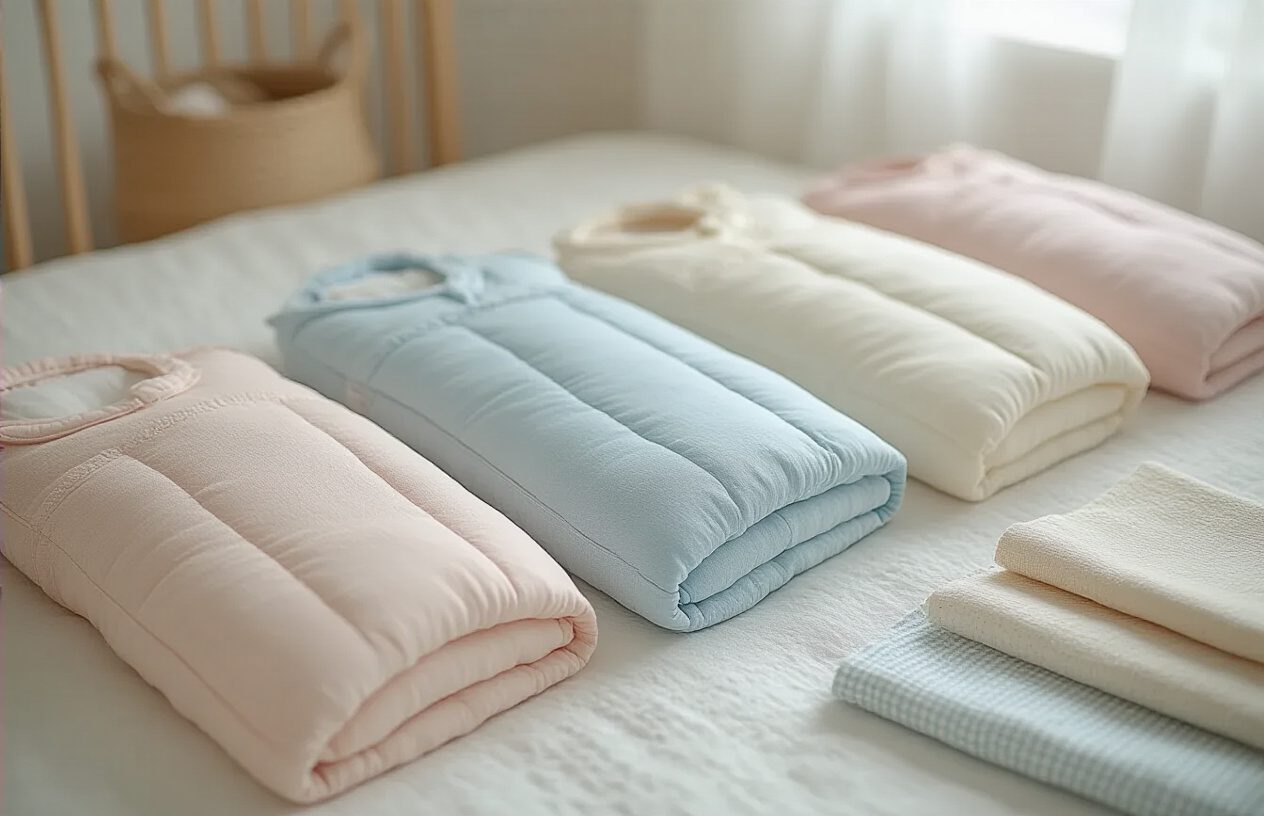
Organic cotton stands as the gold standard for baby sleep sack materials, especially for little ones with delicate or sensitive skin. This natural fabric undergoes no chemical treatments during cultivation, making it incredibly gentle against your baby’s skin. Parents often notice that babies who experience irritation from synthetic materials sleep peacefully in organic cotton sleep sacks without any skin reactions.
The breathable nature of organic cotton helps maintain your baby’s natural body temperature while wicking away moisture. This prevents the buildup of sweat and bacteria that could lead to rashes or discomfort during sleep. Organic cotton also becomes softer with each wash, creating an increasingly comfortable sleeping environment for your growing baby.
Bamboo Fiber Advantages for Temperature Control
Bamboo fiber has gained popularity among parents seeking superior temperature regulation in their baby sleep sack. This innovative material naturally adjusts to your baby’s body temperature, keeping them cool in summer and warm during cooler months. The microscopic structure of bamboo fibers creates tiny air pockets that provide excellent insulation without causing overheating.
The moisture-wicking properties of bamboo fiber surpass those of many other materials, pulling sweat away from your baby’s skin and allowing it to evaporate quickly. This feature proves especially valuable for babies who tend to sleep warm or live in humid climates. Bamboo is also naturally antibacterial and hypoallergenic, making it an excellent choice for babies with allergies or sensitive skin conditions.
Merino Wool Options for Year-Round Use
Merino wool offers unmatched versatility for parents wanting a single baby sleep sack that works across different seasons. This premium natural fiber naturally regulates temperature, keeping babies warm when it’s cold and cool when temperatures rise. The unique structure of merino wool fibers can absorb up to 30% of their weight in moisture while still feeling dry to the touch.
Unlike regular wool, merino wool feels incredibly soft and won’t irritate sensitive skin. The natural lanolin in merino wool provides antibacterial properties, helping keep your baby’s sleep environment fresh and hygienic. Many parents find that merino wool sleep sacks eliminate the need for multiple seasonal options, making them a cost-effective long-term investment.
Synthetic Materials and Their Practical Benefits
Synthetic materials like polyester and polyester blends offer practical advantages that appeal to busy parents. These materials typically cost less than natural fibers while providing durability that withstands frequent washing and daily wear. Synthetic baby sleep sacks often feature enhanced stretch and flexibility, accommodating active sleepers who move around during the night.
Modern synthetic fabrics incorporate advanced moisture-wicking technology that rivals natural materials in performance. They dry quickly after washing, making them convenient for parents who need clean sleep sacks available at short notice. Many synthetic options also resist wrinkles and maintain their shape better than natural fibers, ensuring your baby’s sleep sack looks neat and fits properly wash after wash.
| Material Type | Temperature Control | Durability | Cost | Best For |
|---|---|---|---|---|
| Organic Cotton | Good | High | Medium | Sensitive skin |
| Bamboo Fiber | Excellent | Medium | Medium-High | Hot sleepers |
| Merino Wool | Excellent | High | High | Year-round use |
| Synthetic | Good | Very High | Low-Medium | Budget-conscious parents |
Sizing and Fit Guidelines for Optimal Safety and Comfort
Measuring Your Baby Correctly for Proper Fit: Baby Sleep Sack
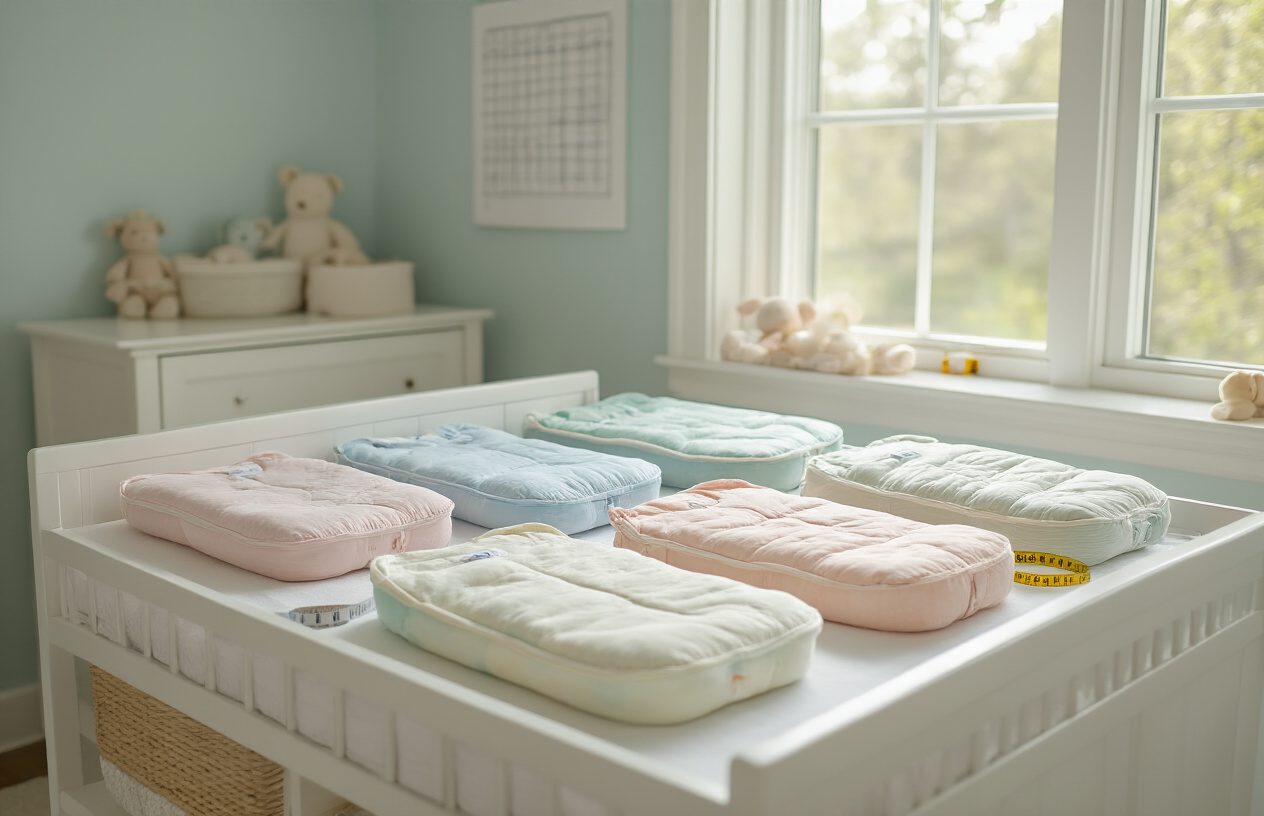
Getting the right fit for your baby’s sleep sack starts with accurate measurements. The most important measurement is your baby’s length, not weight. Place your baby on their back and measure from the top of their head to their heels while their legs are extended. This gives you the precise length needed for proper sizing.
Weight is also a factor, but many parents make the mistake of relying solely on this measurement. Two babies of the same weight can have very different body proportions. A long, lean baby and a shorter, chunkier baby may both weigh 15 pounds, but they’ll need different sleep sack sizes.
Always measure your baby before shopping, especially when ordering online. Babies grow quickly, and what fit last month might be too small now. Take fresh measurements every few weeks during rapid growth periods.
Age-Specific Size Recommendations
Sleep sack sizing varies significantly between brands, but general age guidelines provide a helpful starting point:
| Age Range | Typical Size | Length Range | Weight Range |
|---|---|---|---|
| 0-3 months | Small | 19-24 inches | 8-12 lbs |
| 3-6 months | Medium | 24-26 inches | 12-18 lbs |
| 6-12 months | Large | 26-29 inches | 18-24 lbs |
| 12-24 months | Extra Large | 29-35 inches | 22-28 lbs |
These are general ranges, and your baby might fall between sizes or need a different size than their age suggests. Some babies are ready for the next size up earlier than expected, while others wear the same size for several months.
Premature babies often need special sizing considerations. Many manufacturers offer preemie sizes that accommodate babies weighing 5-8 pounds and measuring 17-19 inches in length.
Signs Your Baby Has Outgrown Their Current Sleep Sack
Watch for these clear indicators that it’s time to size up your baby sleep sack:
Physical signs:
- Your baby’s feet are pressing against or extending beyond the bottom seam
- The armholes are tight or leaving marks on your baby’s arms
- The sleep sack rides up significantly during sleep, exposing your baby’s diaper area
- You struggle to zip or snap the sleep sack closed
- The fabric appears stretched across your baby’s torso
Comfort and safety concerns:
- Your baby seems restless or uncomfortable during sleep
- The sleep sack restricts your baby’s natural leg movement
- You notice red marks or indentations after removing the sleep sack
- Your baby can easily slip their arms out through the armholes
Mobility changes:
- Your baby has started rolling consistently and needs more room for movement
- The sleep sack bunches up around their neck area when they move
- Your baby appears cramped or constrained in their current size
Don’t wait until the sleep sack becomes obviously too small. Babies grow in spurts, and what fits perfectly one week might be uncomfortably tight the next.
How Loose Is Too Loose for Safety: Baby Sleep Sack
Finding the right balance between comfort and safety requires understanding proper fit guidelines. A baby sleep sack should be snug around the chest and arms while allowing plenty of room for leg movement.
Chest and torso fit:
The sleep sack should fit close to your baby’s body around the chest area without being tight. You should be able to fit two fingers between the sleep sack and your baby’s chest, but no more. If you can fit your whole hand inside the chest area, the sleep sack is too large.
Armhole safety:
Armholes are critical for safety. They should be snug enough that your baby cannot slip their head through them, which could create a suffocation hazard. If your baby can pull their arm back through the armhole while wearing the sleep sack, it’s too big.
Neck opening guidelines:
The neck opening should allow easy access for putting the sleep sack on and off, but shouldn’t be so large that it gaps significantly or allows the sleep sack to slip off your baby’s shoulders. A good rule is that the neck opening should be no more than the width of your baby’s head.
Length considerations:
Extra length at the bottom is generally safe and even beneficial, as it gives your baby room to grow and move their legs freely. However, excessive length can cause bunching around the feet, which might affect your baby’s ability to find a comfortable sleeping position.
Remember that a baby sleep sack that’s too large poses safety risks, while one that’s too small restricts movement and comfort. When in doubt, choose the smaller size if your baby is between sizes, especially for the chest and armhole areas, where proper fit is most critical for safety.
Budget-Friendly Shopping Strategies and Brand Comparisons
Premium brands are worth the investment
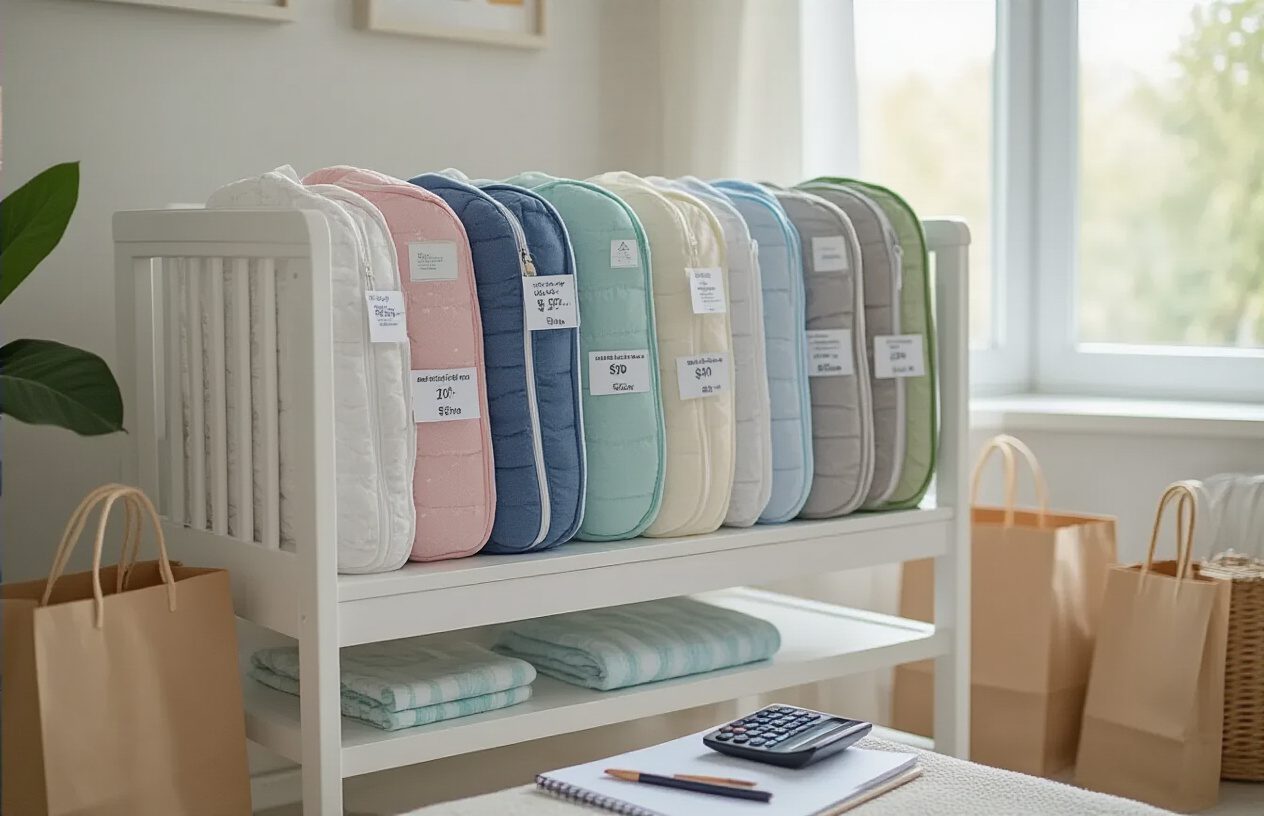
Some baby sleep sack brands command higher prices for good reasons. Companies like Nested Bean, HALO, and Love to Dream have built solid reputations through years of research and testing. These brands typically offer superior construction, innovative features, and materials that hold up through countless washes.
Nested Bean’s weighted sleep sacks, for example, use precise weight distribution technology that mimics a parent’s touch. While these cost more upfront, parents often find their babies sleep better, making the investment worthwhile. HALO sleep sacks feature patented back-is-best designs that prevent rolling and include easy diaper change zippers that actually work smoothly after months of use.
Premium brands also tend to offer better customer service, longer warranties, and replacement policies. If you’re planning to have multiple children or want to pass items down to friends, investing in one high-quality baby sleep sack often proves more economical than buying several cheaper alternatives that wear out quickly.
Affordable options that maintain quality standards
Budget-conscious parents don’t need to sacrifice safety or comfort. Several brands deliver excellent baby sleep sack options without the premium price tag. Carter’s, Simple Joys by Carter’s, and Amazon Essentials offer reliable sleep sacks that meet safety standards at a fraction of the cost.
Target’s Cat & Jack line provides particularly good value, with sleep sacks that feature quality construction and cute designs. Many parents report these lasting through multiple children despite the lower price point. Walmart’s Gerber brand also produces dependable options that focus on basic functionality without unnecessary bells and whistles.
| Brand Category | Price Range | Key Benefits | Best For |
|---|---|---|---|
| Premium | $30-$60 | Advanced features, superior materials | First-time parents, specific sleep issues |
| Mid-range | $15-$30 | Good quality, reliable construction | Most families |
| Budget | $8-$15 | Basic functionality, safety compliance | Growing families, backup options |
When to buy multiple sleep sacks for rotation
Smart parents plan and buy multiple baby sleep sacks from the start. Newborns go through frequent clothing changes due to diaper blowouts, spit-up, and general messiness. Having 3-4 sleep sacks in rotation ensures you always have a clean one available while others are in the wash.
Buy multiples when you find sales or clearance deals. Many retailers offer discounts for purchasing sets, and end-of-season sales provide excellent opportunities to stock up on next-size-up sleep sacks. Target often runs buy-two-get-one deals on baby items, while Amazon frequently offers subscribe-and-save discounts.
Consider your laundry routine when deciding how many to purchase. If you do laundry daily, two sleep sacks might suffice. Families who wash clothes weekly typically need at least four to maintain a comfortable rotation. Keep one extra sleep sack in your diaper bag for unexpected overnight stays or emergencies.
Different seasons may require different sleep sack weights, so plan accordingly. A lightweight cotton option for summer and a fleece version for winter means your baby stays comfortable year-round while you maximize your investment.
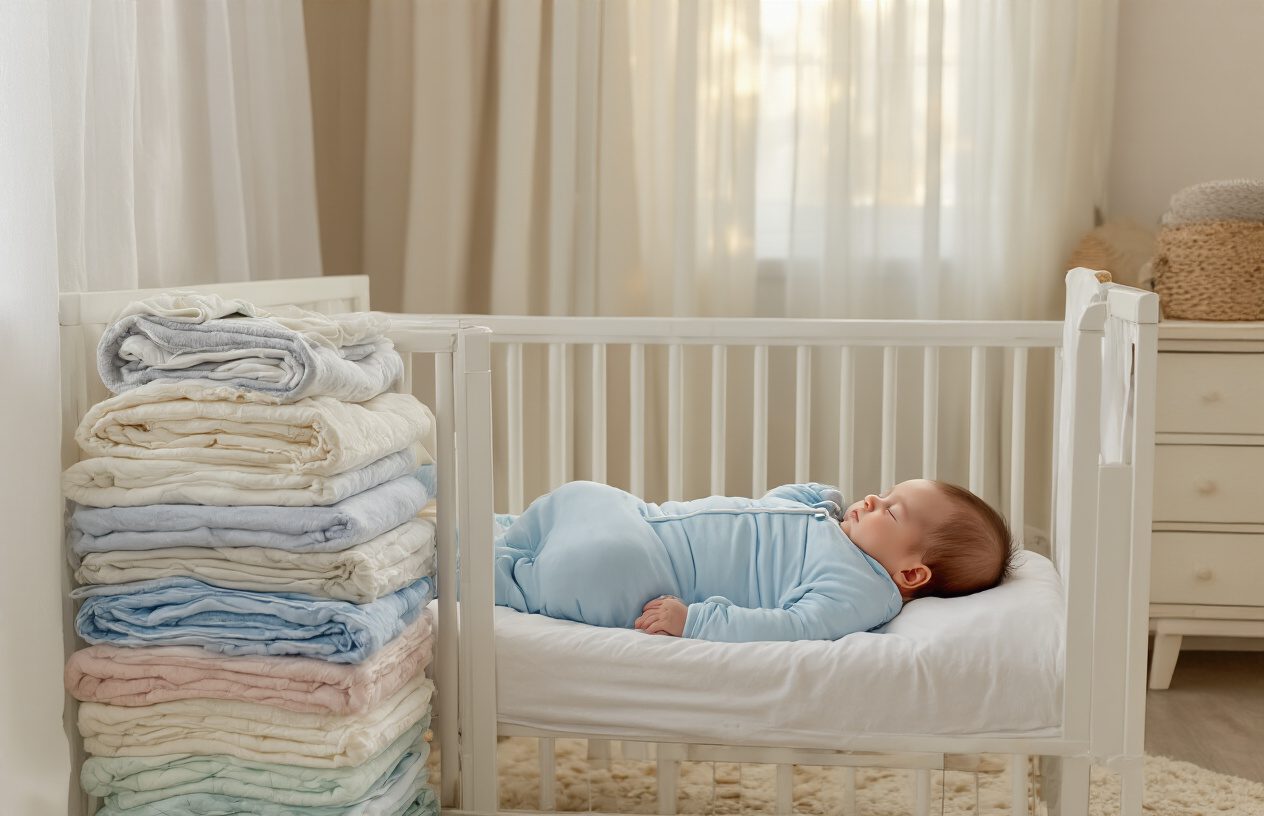
Sleep sacks transform those restless nights into peaceful slumber for both baby and parents. These wearable blankets offer the perfect blend of safety, comfort, and convenience while helping your little one develop healthy sleep habits.
From breathable materials that regulate temperature to proper sizing that grows with your child, the right sleep sack becomes an essential part of your bedtime routine.
Making the right choice doesn’t have to break the bank or overwhelm you with endless options. Focus on safety certifications, quality materials, and a proper fit that allows natural movement while keeping your baby cozy.