The Ultimate Guide to Childproofing with Magnetic Cabinet Locks
Curious toddlers and dangerous household items don’t mix well. If you’re a parent, grandparent, or caregiver looking for the most effective way to secure cabinets and drawers, magnetic cabinet locks offer invisible protection that keeps little ones safe while maintaining your home’s clean appearance.
This comprehensive guide walks you through everything you need to know about magnetic cabinet locks. You’ll discover why these hidden safety devices outperform traditional childproofing methods and learn the professional installation techniques that guarantee maximum security. We’ll also cover strategic placement tips for different rooms and cabinet types, plus troubleshooting solutions for common issues that might pop up along the way.
Table of Contents
Understanding Magnetic Cabinet Locks and Their Superior Safety Benefits
How Magnetic Cabinet Locks Work Without Visible Hardware
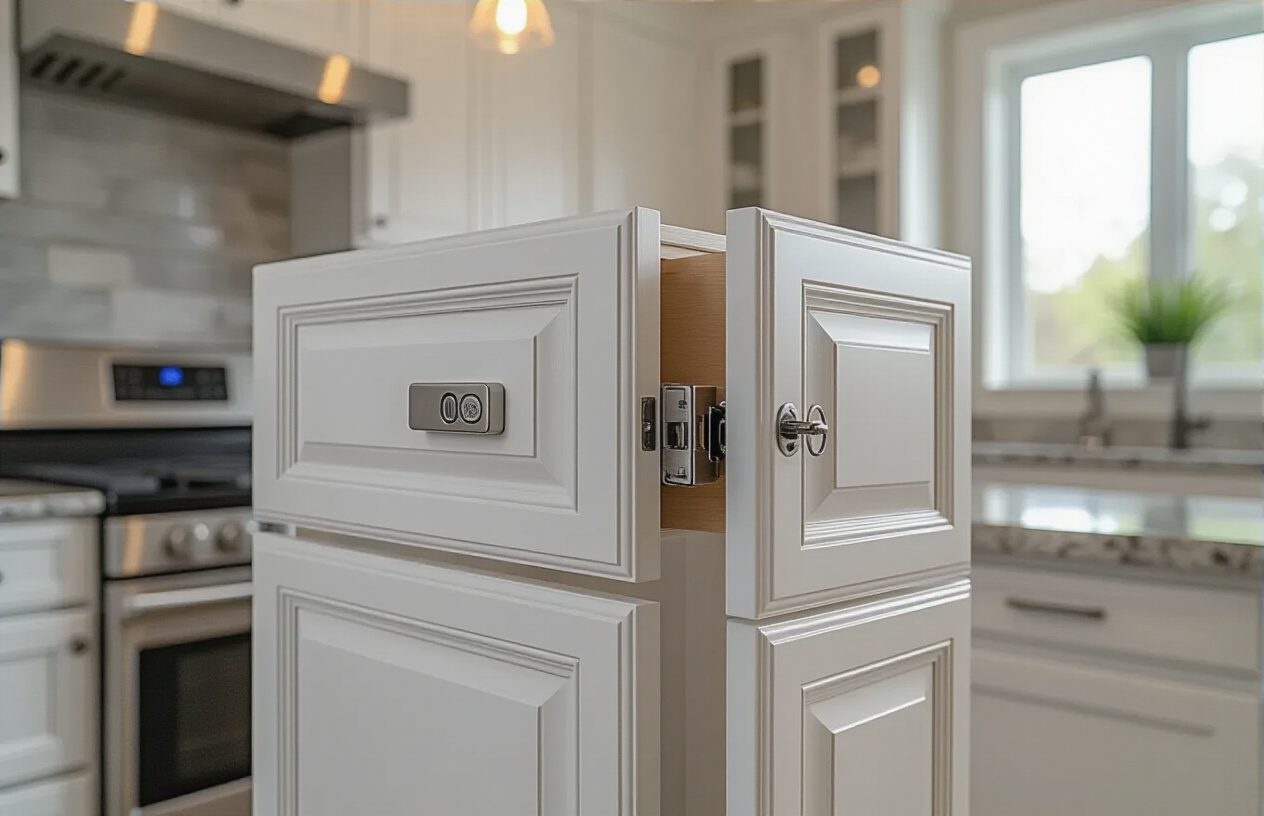
Magnetic cabinet locks operate through a brilliant, hidden mechanism that keeps your cabinets secure while maintaining their original appearance. These locks feature two main components: an internal locking mechanism installed inside the cabinet door and a powerful magnetic key that activates the release from outside.
The locking mechanism sits completely inside the cabinet, typically mounted on the door frame or drawer front. When the cabinet door closes, a spring-loaded latch automatically engages, securing the door shut. The only way to release this latch is by placing the magnetic key against the specific spot on the cabinet exterior where the internal mechanism is located.
The magnetic field from the key pulls the internal latch back, allowing the door to open smoothly. Once you remove the key, the spring automatically re-engages the lock, keeping the cabinet secured again. This invisible operation means no unsightly latches, adhesive strips, or bulky hardware disrupts your kitchen’s design.
Most quality magnetic cabinet locks use rare earth magnets that create a strong, reliable connection through cabinet doors up to 3/4 inch thick. The magnetic key typically comes with a lanyard or clip, making it easy for adults to keep handy while remaining completely inaccessible to curious children.
Key Safety Advantages Over Traditional Childproofing Methods
Magnetic cabinet locks offer significant safety improvements compared to conventional childproofing solutions. Traditional adhesive latches often fail when children pull hard enough or when the adhesive weakens over time. Spring-loaded latches can break under repeated stress, and sliding locks can jam or become difficult for adults to operate.
Reliability and Durability
Magnetic locks don’t rely on adhesives that can lose their grip in humid environments like kitchens and bathrooms. The mechanical locking mechanism provides consistent performance regardless of temperature or moisture changes. Quality magnetic locks can withstand thousands of opening cycles without degrading performance.
Adult Convenience
Unlike traditional latches that require two-handed operation or awkward finger positioning, magnetic locks open with a simple one-handed motion. Adults can quickly access cabinets while cooking or cleaning without fumbling with complicated release mechanisms. The magnetic key works instantly when placed in the correct position.
Child Resistance
Children cannot accidentally discover the opening method through trial and error, as they might with visible latches or knobs. The magnetic key location isn’t obvious, and even if children see adults using it, they cannot replicate the action without possessing the actual magnetic key.
Aesthetic Benefits
Age Range and Developmental Stages: These Locks Protect Against
Magnetic cabinet locks provide effective protection across multiple developmental stages, making them a long-term childproofing investment. Understanding when and how children develop the skills to potentially bypass safety measures helps parents choose the most appropriate protection.
Crawling Stage (6-12 months)
At this stage, babies begin exploring lower cabinets and drawers as they become mobile. Magnetic locks prevent access to cleaning supplies, sharp objects, and small items stored in base cabinets. The invisible locking mechanism provides complete protection since infants lack the cognitive ability to understand the opening method.
Toddler Exploration (1-3 years)
Toddlers possess increasing dexterity and problem-solving skills, often learning to defeat visible latches through observation and persistence. Magnetic cabinet locks remain effective because toddlers cannot see the locking mechanism or understand the magnetic key concept. Even if they observe adults opening cabinets, they cannot replicate the action without the magnetic key.
Preschool Curiosity (3-5 years)
Preschoolers develop advanced fine motor skills and logical thinking abilities. They can often figure out traditional safety latches, twist-and-pull mechanisms, and sliding locks. Magnetic locks continue providing reliable protection because the opening method requires a specific tool (the magnetic key) that children this age cannot easily locate or understand how to use properly.
Extended Protection Period
Most children cannot successfully defeat properly installed magnetic cabinet locks until they reach 6-8 years old and gain enough understanding of magnetic principles and sufficient height to systematically test different areas of cabinet doors. This extended protection period makes magnetic locks particularly valuable for families with multiple children of different ages.
Essential Tools and Materials for Professional Installation
Complete List of Required Installation Equipment: Magnetic Cabinet Locks
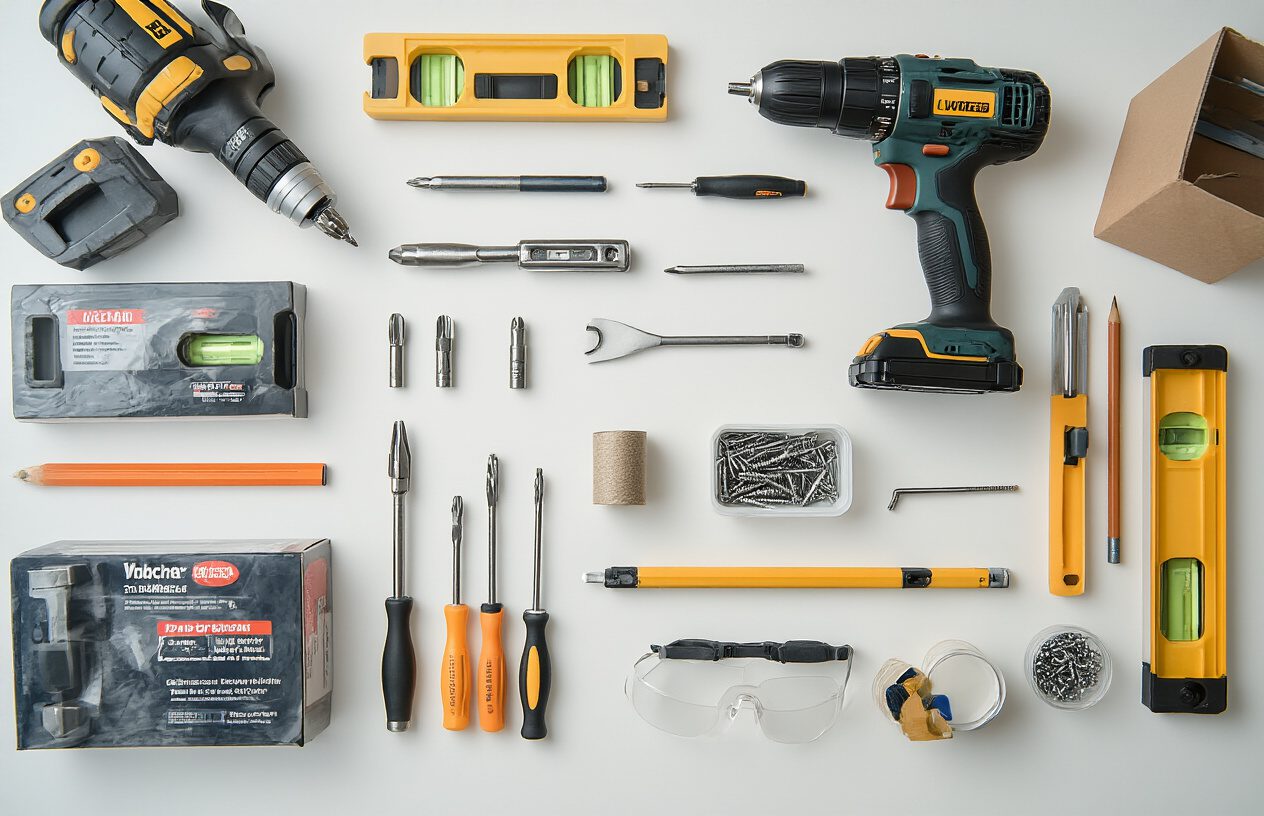
Getting your magnetic cabinet locks installed properly starts with having the right tools on hand. You’ll need a cordless drill with various drill bits – specifically, bits ranging from 1/8 inch to 1/4 inch, depending on your cabinet material. A magnetic stud finder helps locate metal framework inside cabinet doors, which can interfere with the magnetic connection.
Essential hand tools include a Phillips head screwdriver,a flathead screwdriver, and an adjustable wrench for tightening mounting hardware. A rubber mallet comes in handy for adjusting door alignment without damaging surfaces. Keep wood glue nearby for reinforcing screw holes in particleboard cabinets.
| Tool Category | Essential Items | Purpose |
|---|---|---|
| Power Tools | Cordless drill, drill bits (1/8″ – 1/4″) | Creating mounting holes |
| Hand Tools | Phillips screwdriver, flathead screwdriver | Securing hardware |
| Detection | Magnetic stud finder | Locating metal interference |
| Alignment | Rubber mallet | Adjusting door positioning |
Measuring Tools for Precise Lock Placement
Accurate measurements make the difference between magnetic cabinet locks that work flawlessly and ones that constantly fail. A quality tape measure with both metric and imperial markings allows you to position locks exactly where they’ll create the strongest magnetic connection.
A combination square ensures your lock components align perfectly perpendicular to cabinet edges. This tool prevents the common mistake of angled installation that weakens magnetic pull. Digital calipers measure cabinet door thickness precisely – critical information since magnetic strength decreases with distance.
A pencil and erasable markers let you mark drilling points temporarily. Small sticky notes work great for labeling which locks go with which keys during the installation of multiple cabinets. A level ensures your locks mount straight, preventing doors from swinging open due to gravity working against crooked installations.
Safety Gear and Protective Equipment
Safety glasses protect your eyes from wood chips and metal shavings during drilling. Choose wrap-around styles that seal completely around your eyes. Dust masks prevent inhaling particles, especially important when working with older cabinets that might contain lead paint or formaldehyde-based materials.
Work gloves with a good grip prevent dropped tools and protect hands from sharp cabinet edges. However, remove gloves when handling small screws to maintain dexterity. Knee pads become essential when installing lower cabinet magnetic cabinet locks, as you’ll spend considerable time crouched down.
Optional Accessories That Enhance Performance: Magnetic Cabinet Locks
Magnetic key holders mounted inside nearby drawers keep your cabinet keys organized and easily accessible. These prevent the common problem of losing keys and having to search through junk drawers when you need cabinet access.
Cabinet door bumpers reduce noise and prevent damage when doors close against the magnetic locks. These small adhesive pads also help create consistent spacing for optimal magnetic connection. Extra mounting screws in various lengths accommodate different cabinet thicknesses you might encounter.
A drill bit extension allows easier access to tight spaces, particularly useful in corner cabinets or areas with limited clearance. Magnetic drill bit holders prevent losing bits during installation – ironically helpful when installing magnetic locks.
Consider purchasing extra lock sets as backups. Having spares on hand prevents project delays if you encounter damaged components or make installation mistakes requiring replacement parts.
Step-by-Step Installation Process for Maximum Security
Preparing Your Cabinets and Measuring Optimal Placement
Before installing magnetic cabinet locks, clean the interior cabinet surfaces thoroughly with a degreasing agent to remove any residue that might interfere with adhesion. Remove all cabinet contents and check for loose hinges or structural issues that could affect lock performance.
Measure the distance from your cabinet door’s inner edge to determine the optimal placement zone. The magnetic locking mechanism should be positioned 1-2 inches from the door’s edge for maximum holding strength. Mark this area lightly with a pencil, ensuring the mark won’t be visible when the door closes.
Consider the cabinet door’s swing pattern and any interior obstacles like shelves or dividers. The lock should sit flat against the cabinet frame without interference. For double doors, measure each door separately since they may not be perfectly aligned.
Check the door and frame thickness using calipers or a measuring tape. Most magnetic cabinet locks work best with door thicknesses between 3/4 inch and 1.5 inches. Thicker doors may require longer screws or alternative mounting methods.
Installing the Internal Locking Mechanism Correctly
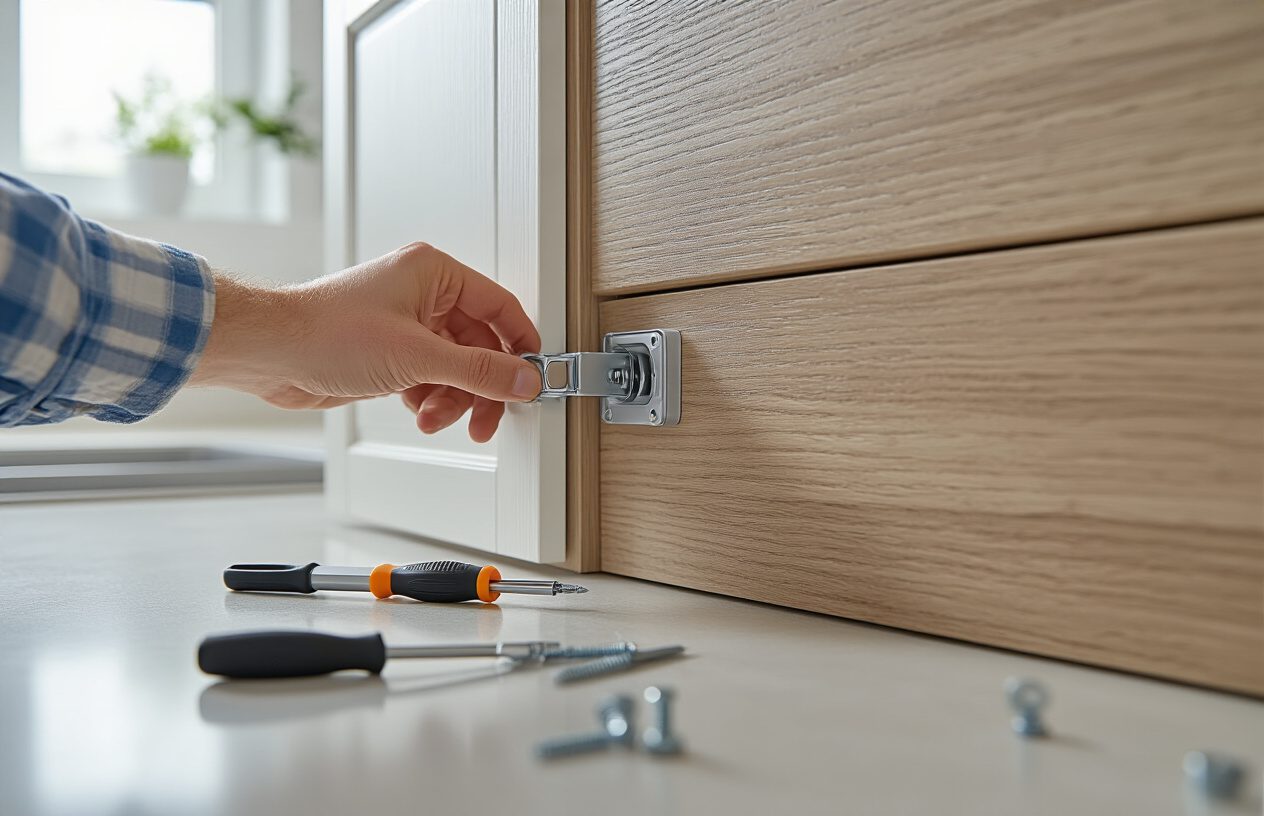
Position the locking mechanism against your marked location and trace around it with a pencil. The mechanism should sit flush against the cabinet frame, creating a secure mounting surface. Use a level to ensure proper alignment, as even slight angles can reduce the magnetic connection strength.
Drill pilot holes using a bit slightly smaller than your mounting screws to prevent wood splitting. The pilot hole depth should be about 3/4 the length of your screw to provide adequate grip without breaking through the opposite side.
Attach the locking mechanism using the provided screws, tightening them firmly but avoiding over-tightening that could strip the wood or crack the mechanism housing. The unit should sit completely flat with no gaps between the mechanism and the cabinet surface.
Install the corresponding magnetic catch on the door’s interior surface, aligning it precisely with the locking mechanism. The catch typically uses a strong adhesive backing, but some models include small screws for additional security.
Testing Lock Strength and Magnetic Key Responsiveness
Close the cabinet door and attempt to open it without the magnetic key. A properly installed system should resist opening with considerable force – you shouldn’t be able to pull the door open with normal hand strength. If the door opens too easily, check the alignment between the lock mechanism and the magnetic catch.
Test the magnetic key’s responsiveness by holding it at various distances from the lock location. The key should disengage the lock when held within 1-2 inches of the mechanism, depending on your specific model. The key shouldn’t need to touch the cabinet surface directly to function effectively.
Perform multiple open-and-close cycles to verify consistent operation. The door should close smoothly and lock automatically each time. Listen for any unusual sounds that might indicate misalignment or loose components.
Test the system under different conditions – with the cabinet fully loaded and empty. Heavy items can sometimes affect door alignment and lock performance. Make minor adjustments to the magnetic catch position if needed to maintain optimal holding strength across all scenarios.
Strategic Placement Guide for Different Cabinet Types and Rooms
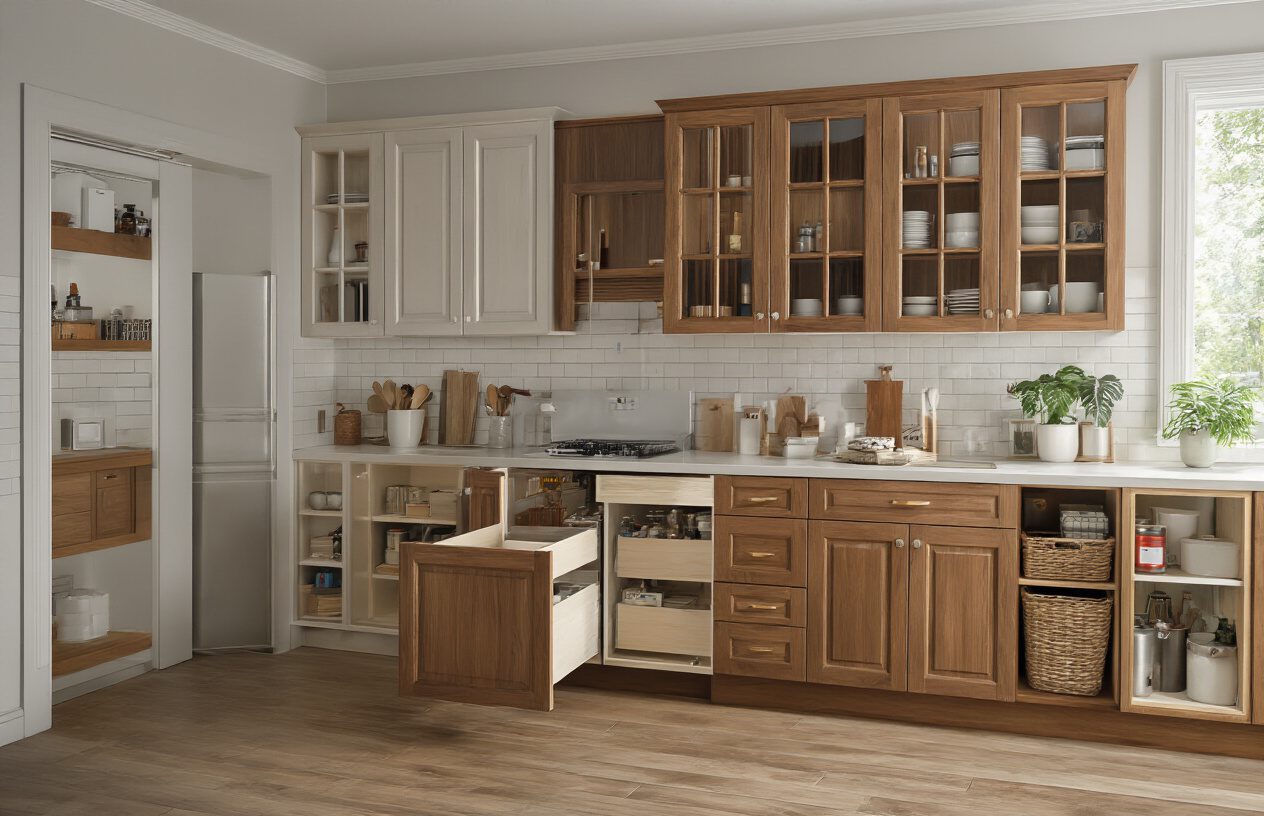
Kitchen Cabinet Prioritization for Chemical and Sharp Object Safety: Magnetic Cabinet Locks
Your kitchen poses the highest risk to curious children, making strategic placement of magnetic cabinet locks absolutely critical. Start with the cabinet under your sink – this danger zone typically houses cleaning chemicals, detergents, and potentially sharp objects like garbage disposal tools. Install magnetic cabinet locks on both doors if you have a double-door setup.
Target lower cabinets containing knives, sharp utensils, and food processors next. Even that innocent-looking drawer with plastic wrap and aluminum foil needs protection since the serrated edges can cause cuts. Don’t overlook cabinets storing small appliances with cords that create strangulation hazards.
Priority installation order:
- Under-sink cabinet (highest priority)
- Knife and sharp utensil storage
- Lower cabinets with small appliances
- Medicine and supplement storage
- Cleaning supply overflow areas
Bathroom Cabinet Protection from Medications and Hazardous Items: Magnetic Cabinet Locks
Bathrooms create unique challenges due to humidity and limited space, but they’re equally dangerous for children. Your medicine cabinet requires the strongest magnetic cabinet locks available, as prescription medications cause thousands of emergency room visits annually among children under five.
Under-sink vanities typically house razors, hair styling tools, nail care implements, and cleaning products specifically designed for bathroom use. These concentrated cleaners often prove more dangerous than kitchen varieties due to their acidic or caustic properties.
Consider the height factor in bathrooms – children often climb on toilets or step stools to reach higher cabinets. Install locks on upper cabinets containing mouthwash (alcohol content), hair dye, nail polish remover, and personal care items with small caps that pose choking hazards.
Bathroom lock priorities:
- Medicine cabinet or prescription storage area
- Under-sink vanity
- Razor and sharp object storage
- Hair care product cabinets
- Linen closets with cleaning supplies
Living Room and Bedroom Storage Security Solutions: Magnetic Cabinet Locks
Living spaces present subtler but significant risks that many parents overlook. Entertainment centers and TV stands often contain small batteries, remote controls with removable parts, and electronic devices with accessible battery compartments. Button batteries are particularly dangerous and require immediate protection.
Bedroom dressers and nightstands frequently store jewelry with small parts, medications, essential oils, and personal items that aren’t child-appropriate. Master bedroom furniture needs extra attention since parents often store prescription medications, supplements, and adult items in bedside tables.
Home offices within bedrooms or living areas contain supplies like staples, paper clips, rubber bands, and correction fluid that create multiple hazards. Filing cabinets with important documents also benefit from magnetic locks to prevent curious hands from creating expensive messes.
Living space security checklist:
- Entertainment center storage compartments
- Bedside tables and nightstands
- Home office supply storage
- Decorative cabinets and armoires
- Bar carts and liquor storage
Garage and Utility Room High-Risk Area Protection
Garages and utility rooms house the most dangerous items in your home, making magnetic cabinet locks an absolute necessity. These spaces typically contain automotive fluids, pesticides, fertilizers, paint, solvents, and power tool accessories that can cause serious harm or death.
Focus first on any cabinet or storage area containing automotive supplies – antifreeze, brake fluid, and windshield washer fluid are sweet-tasting but lethal to children. Lawn care products, including fertilizers and pest control items, require equally strong protection.
Paint storage areas need secure locks, especially if you store paint thinners, turpentine, or other solvents nearby. These vapors can cause immediate health problems, and many containers lack child-resistant caps.
Tool storage presents multiple hazards beyond the obvious sharp edges. Small screws, nails, and hardware create choking risks, while power tool batteries and chargers pose electrical dangers.
Utility rooms with water heaters, furnaces, or electrical panels need protection from cleaning supplies and maintenance items stored nearby. Even something seemingly innocent like light bulbs becomes dangerous when curious children break them.
High-risk area protection priorities:
- Automotive fluid storage
- Pesticide and fertilizer cabinets
- Paint and solvent storage
- Small hardware and fastener containers
- Electrical supply and battery storage
- Pool chemical storage (if applicable)
Installation considerations for utility areas:
- Choose locks rated for temperature extremes
- Account for dust and debris in mechanism alignment
- Consider vibration from appliances affecting the magnet strength
- Plan for adult access during emergencies or maintenance
Troubleshooting Common Installation and Performance Issues: Magnetic Cabinet Locks
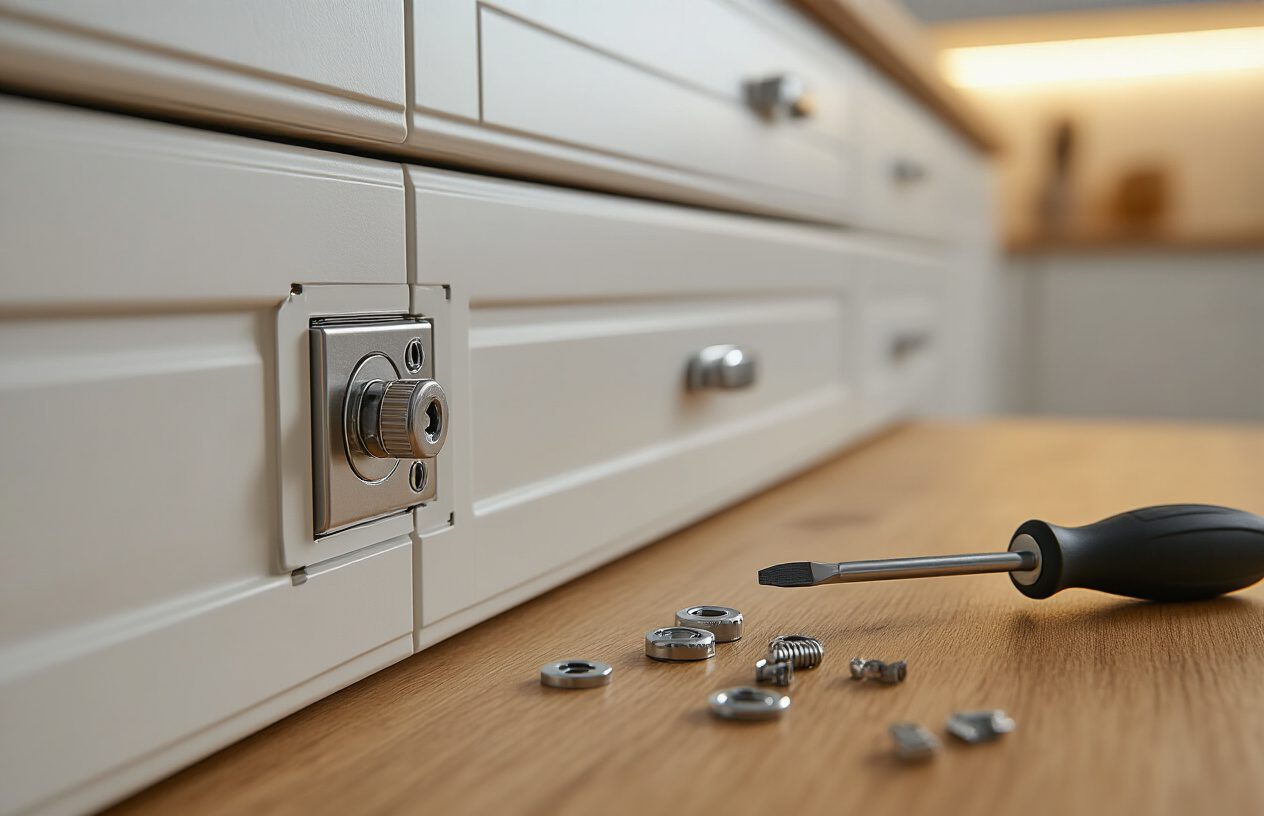
Resolving Weak Magnetic Connection Problems
When your magnetic cabinet locks aren’t holding properly, several factors could be at play. The most common culprit is insufficient contact between the magnetic key and the lock mechanism. Check if there’s any debris, paint, or residue blocking the magnetic connection points. A simple wipe with a damp cloth often does the trick.
Distance matters more than you might think. If the magnetic lock is installed too far from the cabinet door surface, the magnetic field weakens significantly. Remove the lock and reinstall it closer to the door, ensuring there’s minimal gap between the magnetic components.
Battery issues frequently cause weak connections in electronic magnetic cabinet locks. Replace batteries even if they seem partially functional – weak batteries create inconsistent magnetic strength. Always use the recommended battery type specified by the manufacturer.
Fixing Misaligned Lock Mechanisms
Misalignment happens when the magnetic lock components don’t line up properly with the cabinet latch. Start by checking if the cabinet door hangs straight – warped or sagging doors create alignment issues that no amount of lock adjustment can fix.
Remove the lock completely and mark the exact center point where it should attach. Use a level to ensure proper horizontal alignment before reattaching. Many installation failures stem from rushing this crucial step.
For adjustable magnetic cabinet locks, use the built-in fine-tuning features. Loosen the mounting screws slightly and shift the lock position in small increments until you achieve perfect alignment. Test the connection strength after each adjustment.
Cabinet hardware changes over time. Hinges loosen, doors settle, and mounting screws can shift. Regular maintenance checks every few months help catch alignment issues before they become major problems.
Addressing Cabinet Door Interference Issues: Magnetic Cabinet Locks
Thick cabinet doors or unusual door designs can interfere with magnetic lock operation. Measure your door thickness and verify it matches the lock’s specifications. Some magnetic cabinet locks work better with thin doors, while heavy-duty versions handle thicker materials.
Multiple locks on adjacent cabinets sometimes create magnetic interference. Space locks at least 3 inches apart to prevent cross-magnetic effects that can weaken individual lock performance.
Cabinet contents can accidentally trigger or block magnetic locks. Heavy items stored against cabinet doors can prevent proper closing, while metal objects near the lock can interfere with magnetic fields. Reorganize cabinet contents to maintain clear space around lock mechanisms.
Check for cabinet door overlay issues. Doors that overlap too much or too little create gaps that weaken magnetic connections. Adjust hinges or consider different lock mounting positions to accommodate your specific cabinet door style.
Maintaining Your Magnetic Lock System for Long-Term Reliability
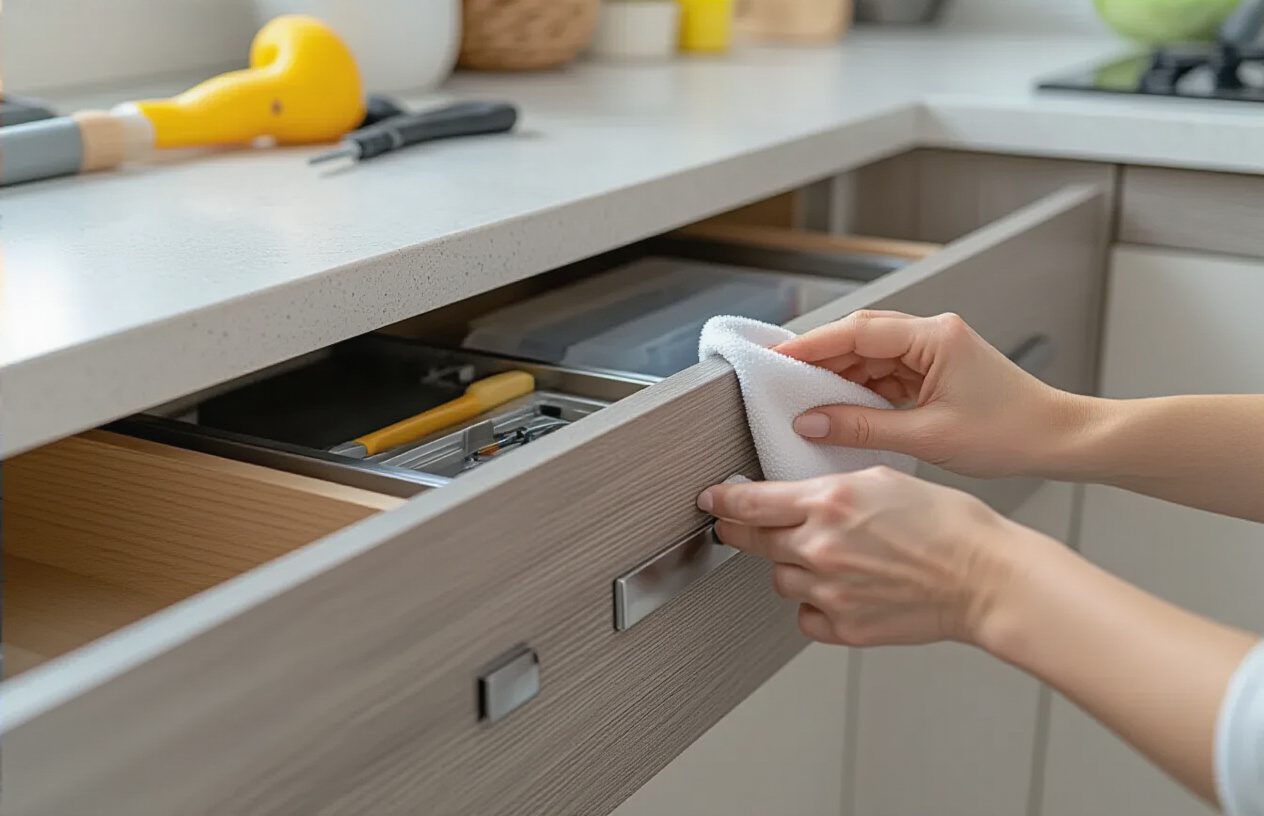
Regular Cleaning and Maintenance Schedule
Your magnetic cabinet locks need attention every 3-4 months to keep them working like new. Start by wiping down the key with a damp cloth to remove fingerprints and dust that can weaken its magnetic pull. The lock mechanism inside each cabinet should be cleaned with a dry microfiber cloth to prevent buildup that might interfere with smooth operation.
Check all mounting screws during your cleaning routine. Cabinet doors get opened and closed hundreds of times, creating vibrations that can gradually loosen hardware. Tighten any loose screws immediately to prevent the lock from shifting position or becoming less effective.
Testing Lock Functionality and Magnetic Strength
Monthly testing ensures your magnetic cabinet locks maintain their protective strength. Hold the magnetic key against each lock and feel for that satisfying “click” when it engages. A properly functioning lock should require deliberate pressure to open and close securely on its own when released.
Test the holding power by gently pulling on cabinet doors after locking them. The door should remain firmly shut with no give or rattling. If you notice any weakness in the magnetic connection, inspect both the key and the internal mechanism for damage or debris.
Create a simple testing log to track which cabinets you’ve checked and note any concerns. This helps identify patterns, like certain locations wearing out faster due to heavy use or environmental factors.
Replace batteries in electronic magnetic locks according to manufacturer recommendations, typically every 6-12 months, even if they seem to be working fine.
When to Replace Components for Optimal Safety: Magnetic Cabinet Locks
Watch for these warning signs that indicate immediate replacement is needed:
- Magnetic key chips or cracks: Even small damage can reduce holding strength significantly
- Internal mechanism sticks or jams: This creates inconsistent locking that children might exploit
- Loose mounting points: If screw holes have enlarged or stripped, the entire unit needs replacement
- Reduced magnetic strength: When the key requires multiple attempts to engage the lock
Don’t wait for complete failure. Magnetic cabinet locks are your child’s safety barrier, and partial functionality isn’t acceptable. Replace individual components rather than entire systems when possible to save money while maintaining security.
Keep spare keys and replacement parts on hand for quick fixes. Most manufacturers sell parts separately, making repairs cost-effective.
Upgrading Your System as Children Grow
Children become more determined and clever as they age, making system upgrades necessary every 2-3 years. Toddlers might simply pull on doors, but older children start observing how parents open cabinets and may attempt to replicate the process.
Consider upgrading to stronger magnets or dual-lock systems for highly curious children who’ve started testing boundaries. Some families switch to combination locks or smart locks that require specific sequences rather than simple magnetic keys.
Evaluate which cabinets still need protection as children mature. Cleaning supply cabinets should remain locked until children reach their teens, while toy storage locks might become unnecessary much earlier.
Add new locks to previously unprotected areas that become relevant as children grow taller and gain access to higher cabinets. Counter-height cabinets that were once out of reach may need protection for mobile toddlers and climbing preschoolers.
Magnetic cabinet locks offer the perfect balance of child safety and adult convenience, making them a smart investment for any home with little ones. By understanding how they work, gathering the right tools, and following proper installation techniques, you can create a secure environment that keeps curious hands away from dangerous items while maintaining easy access for adults.
Strategic placement throughout your home and regular maintenance will ensure these locks perform reliably for years to come.
Take the time to childproof your cabinets properly – your peace of mind is worth it. Start with the most critical areas like kitchens and bathrooms, then expand to other rooms as needed. Remember that childproofing is an ongoing process, and magnetic locks are just one part of creating a safe home environment.