Choosing the right manual breast pump can make all the difference in your breastfeeding journey. This guide is designed for new and expecting moms who want a reliable, portable pumping solution without the complexity of electric models.
Finding the perfect manual breast pump doesn’t have to be overwhelming when you know what to look for. We’ll walk you through how to assess your specific pumping needs and daily routine, then help you understand which features actually matter for your situation. You’ll also learn about the main types of manual pumps available and how to spot quality products that meet safety standards.
By the end of these five steps, you’ll have the confidence to choose a manual breast pump that fits your lifestyle and supports your breastfeeding goals.
Table of Contents
Assess Your Pumping Needs and Lifestyle: Manual Breast Pump

Determine frequency of pumping sessions
Your pumping routine plays a major role in deciding which manual breast pump will work best for you. If you’re planning to pump occasionally – maybe once or twice a day for date nights or short errands – a basic manual breast pump might do the trick. These simple models work fine when you’re not putting them through heavy daily use.
However, if you’re heading back to work and need to pump multiple times throughout the day, you’ll want something more efficient and comfortable. Look for pumps with ergonomic handles that won’t strain your hand during longer sessions. Some working moms pump 3-4 times during an 8-hour workday, so comfort becomes crucial.
Think about your timeline, too. New moms who pump frequently in those first few months need pumps that can handle regular use without breaking down. The frequency also affects how important features like easy cleaning become – nobody wants to spend extra time scrubbing pump parts when you’re already stretched thin.
Evaluate your mobility requirements
Where you’ll be pumping matters more than you might think. Stay-at-home moms who mostly pump in the nursery or bedroom have different needs than working mothers who need to pump in office break rooms or while traveling.
If you’re always on the go, portability becomes essential. Look for lightweight manual breast pumps that fit easily in your purse or diaper bag. Some models come with carrying cases that keep everything organized and discreet. You don’t want a bulky pump that takes up half your work bag.
Consider your workspace, too. Small office break rooms or airplane bathrooms require compact pumps that don’t need much surface area. Some manual pumps have clever designs that let you pump directly into storage bags, which saves space and reduces the number of parts you need to carry around.
Consider your comfort preferences
Comfort can make or break your pumping experience. Some women prefer the softer silicone breast shields that feel more natural, while others do fine with standard plastic ones. The key is understanding what works for your body.
Hand comfort matters just as much. If you have smaller hands or any issues with grip strength, look for pumps with cushioned handles or ergonomic designs. Some models require less squeezing force, which helps prevent hand fatigue during longer sessions.
Identify your budget range
Manual breast pumps range from around $15 for basic models up to $50+ for premium options. Setting your budget up front helps narrow down choices and prevents overspending on features you don’t actually need.
Basic pumps work fine for occasional use, but investing a bit more often pays off if you’ll be pumping regularly. Mid-range options typically offer better comfort, durability, and easier cleaning. Premium models usually include extra accessories like multiple breast shield sizes, storage containers, and carrying cases.
Don’t forget to factor in replacement parts. Some cheaper pumps require frequent part replacements, which adds up over time. Sometimes spending a bit more upfront saves money in the long run through better durability and readily available replacement parts.
Understand Key Features That Matter Most
Suction Strength and Control Options
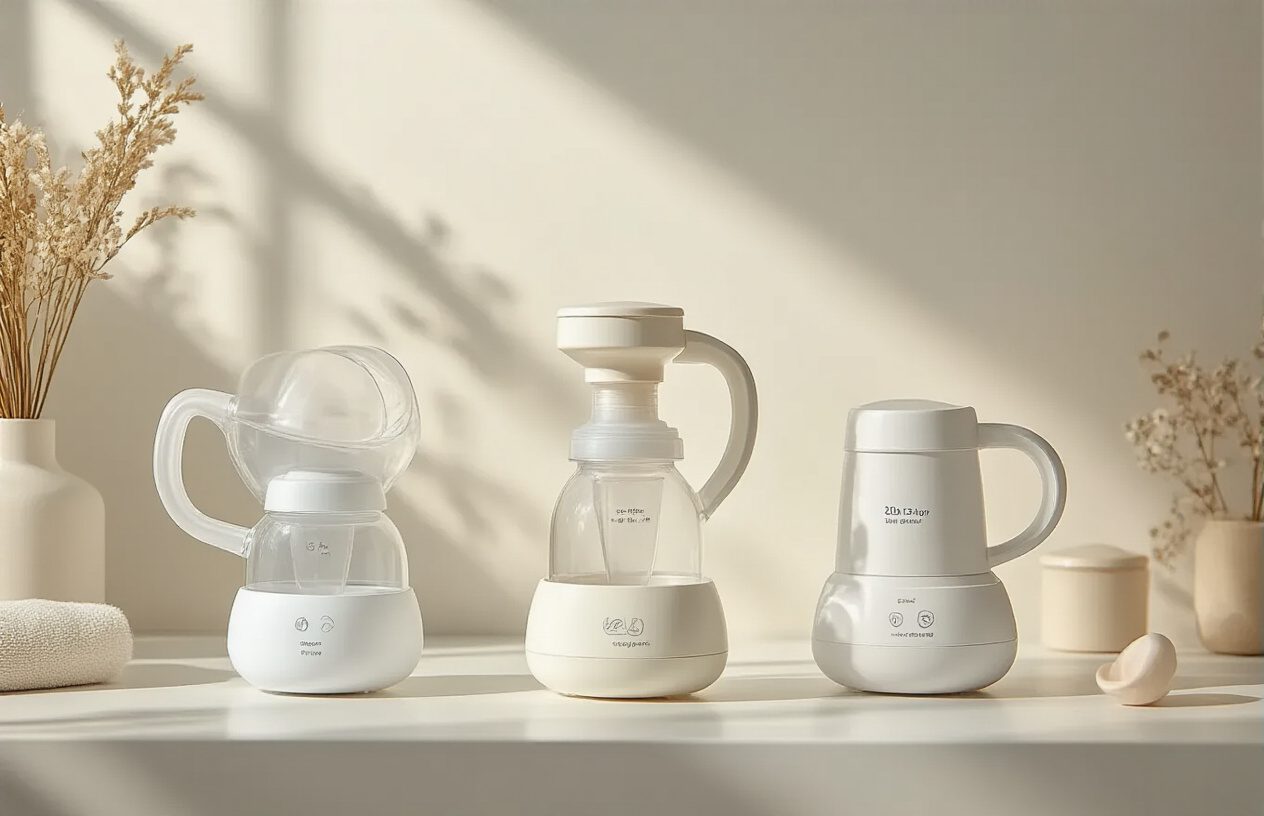
The suction power of your manual breast pump directly affects how efficiently you can express milk. Unlike electric pumps that operate at fixed settings, manual pumps give you complete control over the rhythm and intensity of each pumping session. Look for pumps with ergonomic handles that allow for comfortable squeezing without hand fatigue.
Most quality manual breast pumps feature a two-phase expression system that mimics natural breastfeeding patterns. The initial rapid, lighter suction stimulates letdown, followed by slower, deeper suction for milk expression. Some models include adjustable vacuum strength, letting you customize the experience based on your comfort level and milk flow.
Flange Size Compatibility and Comfort
Proper flange fit is crucial for comfortable and effective pumping. Most manual breast pumps come with standard 24mm flanges, but many women need different sizes ranging from 19mm to 36mm. Ill-fitting flanges can cause nipple pain, reduced milk output, and potential tissue damage.
Before choosing a manual breast pump, measure your nipple diameter and add 2-4mm to determine your ideal flange size. Your nipple should move freely within the tunnel without excessive areola being pulled in. Many brands offer replacement flanges in multiple sizes, so check availability and compatibility before purchasing.
Consider pumps with soft silicone flanges rather than hard plastic ones. Silicone flanges conform better to the breast shape and provide more comfortable suction. Some models feature angled flanges that allow for more natural positioning during pumping sessions.
Ease of Assembly and Cleaning
Manual breast pumps should be simple to assemble and disassemble for thorough cleaning. Look for designs with fewer parts – typically 4-6 components maximum. Each piece should fit together intuitively without requiring excessive force or complicated instructions.
Check that all pump parts are dishwasher-safe and can withstand boiling water sterilization. Avoid pumps with hard-to-reach crevices or intricate designs that trap milk residue. Smooth surfaces and wide openings make cleaning more efficient and hygienic.
The valve system deserves special attention since it controls suction flow. Single-piece valves are easier to clean than multi-part systems. Some pumps include extra valves and membranes, which is helpful since these small parts can wear out or get lost over time.
Portability and Storage Convenience
Manual breast pumps excel in portability compared to electric models. The best options fit easily in diaper bags, purses, or desk drawers without taking up excessive space. Compact designs with minimal parts are ideal for travel or pumping away from home.
Look for pumps that include carrying cases or storage bags to keep all components together and protected. Some models feature integrated storage containers that double as collection bottles, eliminating the need for separate storage vessels.
Consider weight when evaluating portability. Lightweight models under one pound are comfortable for extended carrying, while heavier pumps might become cumbersome during travel. Pumps with detachable collection containers offer more flexibility for different pumping situations and storage needs.
Compare Top Manual Breast Pump Types
Single-hand operation pumps
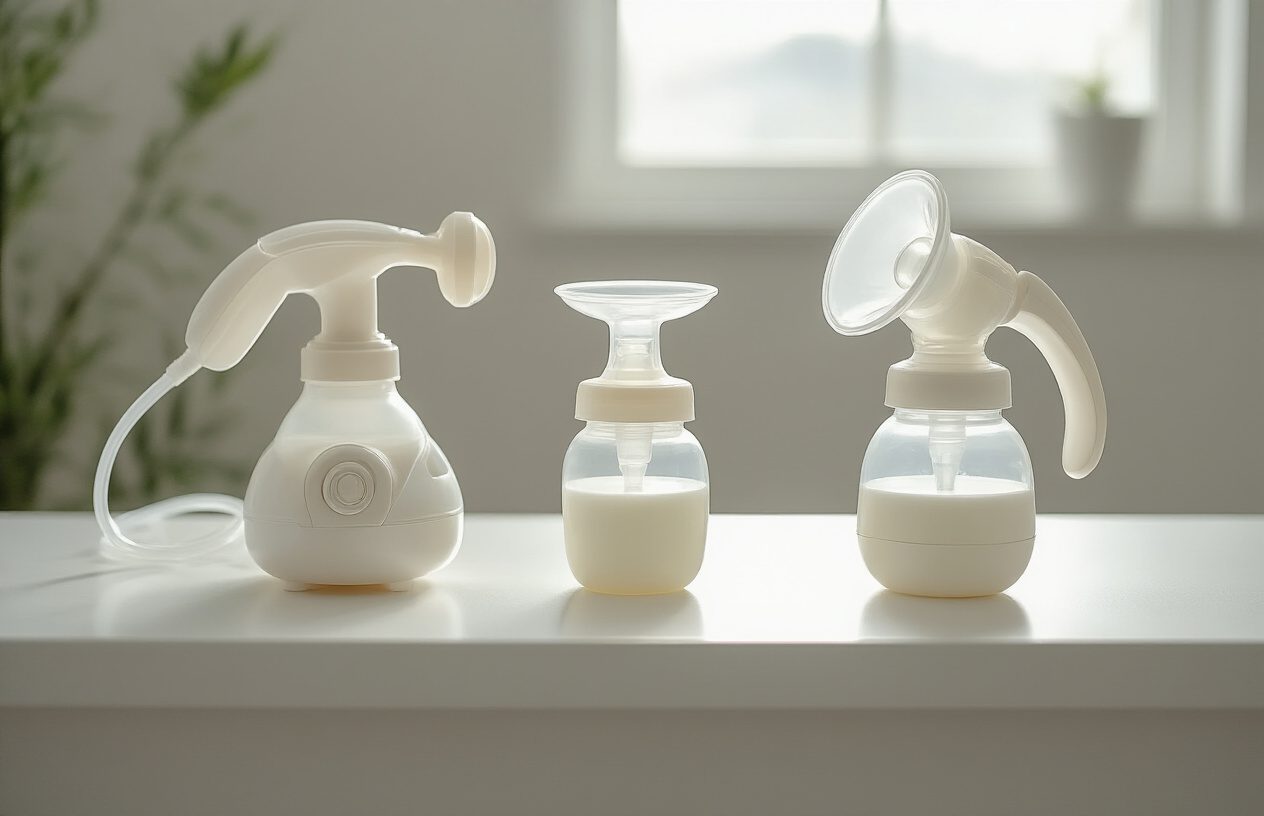
Single-hand operation pumps represent the most user-friendly category in the manual breast pump market. These designs allow you to express milk with just one hand while leaving your other hand free for multitasking – perfect for busy moms who need to check their phone, hold a book, or simply relax while pumping.
Key advantages:
- Complete freedom with a non-pumping hand
- Easier to pump discreetly in public spaces
- Less coordination required
- Often lighter and more portable
Potential drawbacks:
- May require more hand strength over time
- Generally slower milk expression compared to two-handed options
- Handle comfort varies significantly between brands
Two-hand lever pumps
Two-hand lever pumps operate on a different principle, requiring both hands to work a lever system that generates consistent, rhythmic suction. These manual breast pump designs often mimic the natural sucking pattern of babies more closely than their single-hand counterparts.
The lever action creates a steady, controlled pumping motion that many women find more comfortable and efficient. Models like the Avent Manual Pump feature large, easy-to-grip handles that distribute pressure evenly across your hands, making extended pumping sessions more manageable.
Key advantages:
- More natural pumping rhythm
- Often faster milk expression
- Better control over suction strength
- Typically, more durable construction
Potential drawbacks:
- Both handsare occupied during use
- Larger and heavier than single-hand options
- Learning curve for proper technique
- It can be awkward to use in tight spaces
Silicone collection pumps
Silicone collection pumps represent a unique category that works through passive suction rather than active pumping. These soft, flexible pumps attach to your breast and collect milk through gentle, continuous suction created by the silicone’s natural compression.
Unlike traditional manual breast pump options, silicone collectors like the Haakaa work hands-free once attached. They’re particularly popular for collecting let-down milk from the opposite breast while nursing or pumping on the other side. The food-grade silicone construction makes them easy to clean and naturally antimicrobial.
Key advantages:
- Completely hands-free operation
- Silent collection process
- Easy to clean and sterilize
- Affordable price point
- Gentle, comfortable suction
Potential drawbacks:
- Lower milk output compared to active pumps
- Can detach unexpectedly if not positioned correctly
- Limited suction control
- Not suitable as a primary pumping method for most users
| Pump Type | Best For | Milk Output | Hands Required | Price Range |
|---|---|---|---|---|
| Single-hand | Busy multitaskers | Moderate | 1 | $15-$40 |
| Two-hand lever | Efficient pumping | High | 2 | $25-$60 |
| Silicone collection | Let-down collection | Low-Moderate | 0 | $10-$25 |
Evaluate Quality and Safety Standards
BPA-free Materials and Certifications
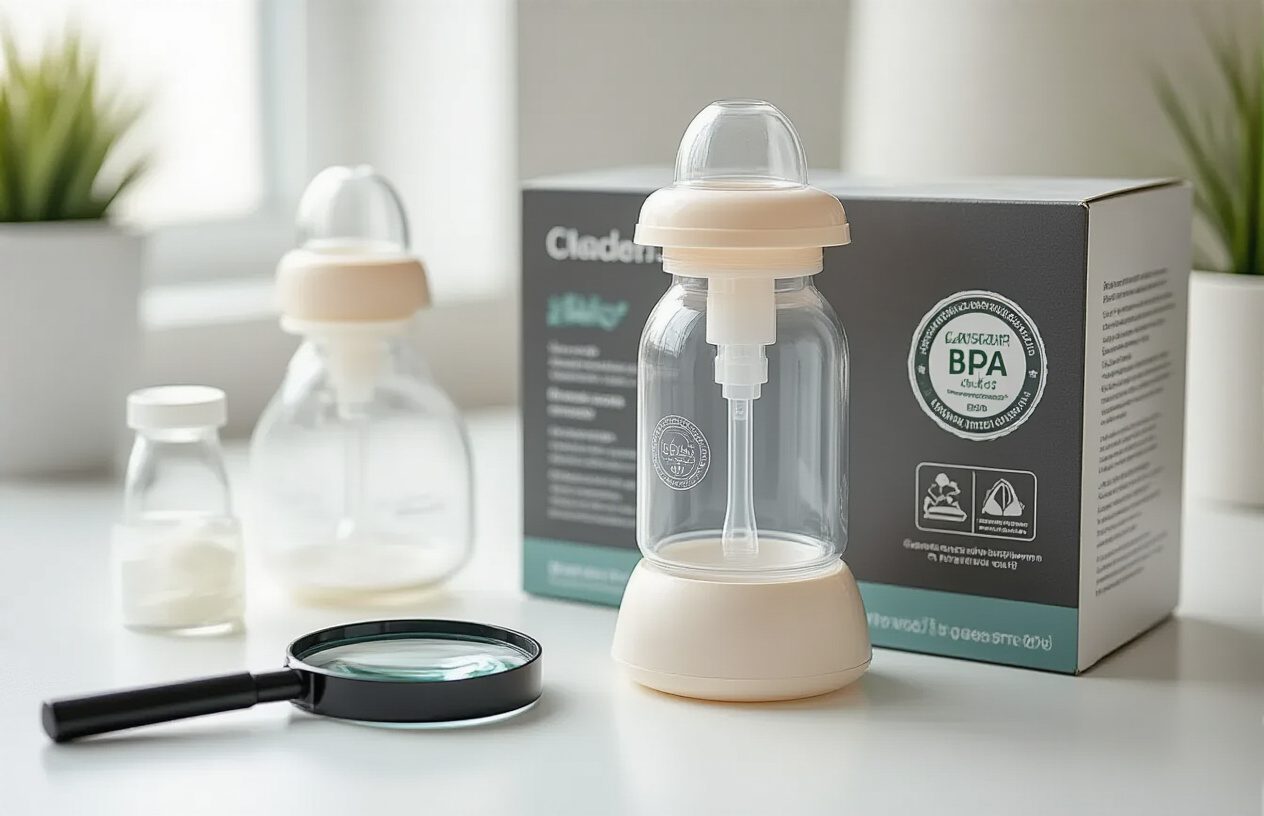
Safety starts with the materials your manual breast pump is made from. BPA-free plastic is non-negotiable since bisphenol A can leach into breast milk and potentially harm your baby’s developing system. Look for pumps clearly labeled as BPA-free, and go a step further by checking for phthalate-free materials too.
The best manual breast pump options carry additional certifications like FDA food-grade approval or European CE marking. These certifications mean the materials have been tested for safety in direct contact with food and liquids. Silicone components should be medical-grade, which provides better durability and safety compared to regular silicone.
Brand Reputation and Customer Reviews
Established brands with solid track records typically offer better quality control and customer service. Research companies that specialize in breastfeeding products rather than general baby gear manufacturers. They understand the unique needs of nursing mothers and invest more in product development.
Read reviews from actual users on multiple platforms – not just the brand’s website. Pay attention to reviews mentioning long-term use, cleaning difficulties, or pump failure. Look for patterns in complaints or praise. Amazon, Target, and specialized parenting forums often provide honest feedback from real customers who’ve used these pumps daily.
Warranty Coverage and Customer Support
A good warranty reflects the manufacturer’s confidence in their product. Most quality manual breast pumps come with at least a one-year warranty covering manufacturing defects. Some premium brands offer extended coverage or replacement guarantees.
Customer support quality matters when you’re dealing with a product you might use multiple times daily. Test their responsiveness by calling or emailing with questions before purchasing.
FDA Approval and Safety Ratings
FDA approval isn’t just a nice-to-have feature – it’s essential for any breast pump sold in the United States. This approval means the device meets specific safety and performance standards for medical devices. The FDA classifies breast pumps as Class II medical devices, requiring premarket notification and compliance with specific regulations.
Look for the FDA registration number on packaging or product information. Some pumps also carry additional safety certifications from international bodies like Health Canada or European medical device regulators. These multiple approvals suggest the manufacturer takes safety seriously across different markets and regulatory environments.
Make Your Final Decision With Confidence

Test comfort and fit before committing
Before shelling out for a manual breast pump, make sure it feels right for you. Pumps can look similar online, but everyone’s body is different, so the one your friend raves about might not fit you perfectly. Here’s what you can do:
- Check the flange size: The flange is the part of the pump that goes over your breast. Too small or too large, and it can be uncomfortable or ineffective. Some brands offer a measuring guide or sample fitting kits—take advantage of those if you can.
- Look for flexible or silicone rims: These can make a big difference in comfort compared to hard plastic.
- Test the grip: The handle should be easy to squeeze and not dig into your hand, especially if you’re pumping often. If you can, try a demo unit in-store to get a real feel.
- Read real user reviews: Look for detailed comments on comfort, ease of use, and how it fits different breast shapes and sizes.
Being picky about fit pays off—you’ll be more relaxed, and you’ll probably get more milk in less time.
Consider purchasing additional accessories
Having the right accessories for your manual breast pump can seriously improve the whole experience. Here are a few extras worth thinking about:
- Extra flanges and valves: These small parts can wear out or get lost, so it’s handy to have spares on hand.
- Milk storage bottles or bags: Pumping directly into a container and freezing or storing is a game-changer.
- Cooler bag or ice packs: If you need to pump on the go, these keep your milk safe and fresh.
- Cleaning brushes and sterilizing bags: Cleaning all the parts thoroughly is crucial, and specialized brushes or microwave sterilizing bags make it easier.
- Hands-free bra: If your manual pump is compatible, this lets you multitask or just relax a bit more while pumping.
| Accessory | Why You Might Want It |
|---|---|
| Extra flanges/valves | For convenience and hygiene |
| Storage bottles or bags | Store milk easily |
| Cooler bag/ice packs | Pump away from home |
| Cleaning brushes/sterilizers | Keep it all clean effortlessly |
| Hands-free bra | More freedom while pumping |
Stocking up on a few smart accessories can reduce stress, especially in those first few months when every minute counts.
Plan for long-term maintenance needs
Taking care of your manual breast pump not only keeps it in top shape but also protects your baby from germs. Think about long-term upkeep before buying:
- Check if replacement parts are easy to buy: Look up whether you can order new valves, membranes, or bottles whenever you need them.
- Make sure it’s easy to take apart and clean: Simple designs with fewer tiny parts save you time.
- Look for dishwasher-safe components: Not all pumps can go in the dishwasher, but if daily washing gets old, this feature is a lifesaver.
- Save the manual or take photos of assembly: After a busy night, you’ll be glad you have a reference for putting the pump back together.
- Set a reminder to sterilize regularly: Even if you wash everything after every use, give the parts a deep clean every so often, especially if your baby is under three months or was born prematurely.

Finding the right manual breast pump really comes down to understanding what suits your daily routine and needs best. Once you know how often you’ll be pumping and where, the next step is to focus on key features—things like comfort, efficiency, and how easy the pump is to clean.
It also helps to check out the different models, since each one offers its own pros and cons. And let’s not forget about safety and quality, because peace of mind is important when it comes to anything for you and your baby.
At the end of the day, all of these steps add up to making a choice you can feel good about. Trust yourself and remember: the perfect manual breast pump is the one that makes your life a little easier. Whenever you’re ready, you’ll know which pump to pick to fit right into your routine.