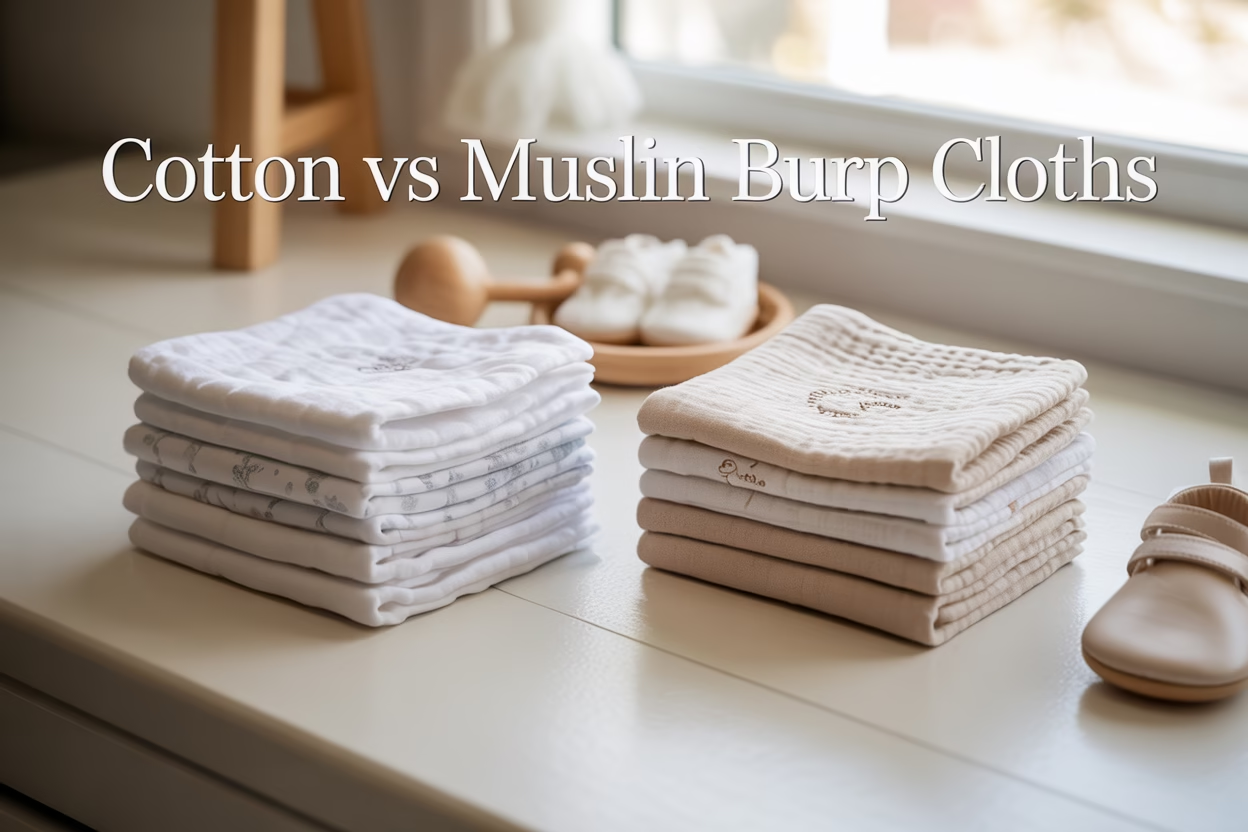
New parents and caregivers often find themselves overwhelmed by the endless baby product choices, especially when it comes to essential items like burp cloths. The debate between cotton and muslin burp cloths leaves many wondering which material offers the best value for their little one’s needs.
This guide is designed for expecting parents, new caregivers, and anyone looking to make an informed decision about burp cloth materials for their baby registry or nursery essentials.
We’ll break down the key differences between these popular materials by examining their absorbency and performance capabilities, plus how each option affects your baby’s comfort and skin safety. You’ll also get a clear picture of the cost-effectiveness and long-term value each material brings to your daily parenting routine, helping you choose the right burp cloths for your family’s specific needs and budget.
Table of Contents
Understanding Cotton Burp Cloths and Their Key Benefits
Natural fiber composition for sensitive baby skin
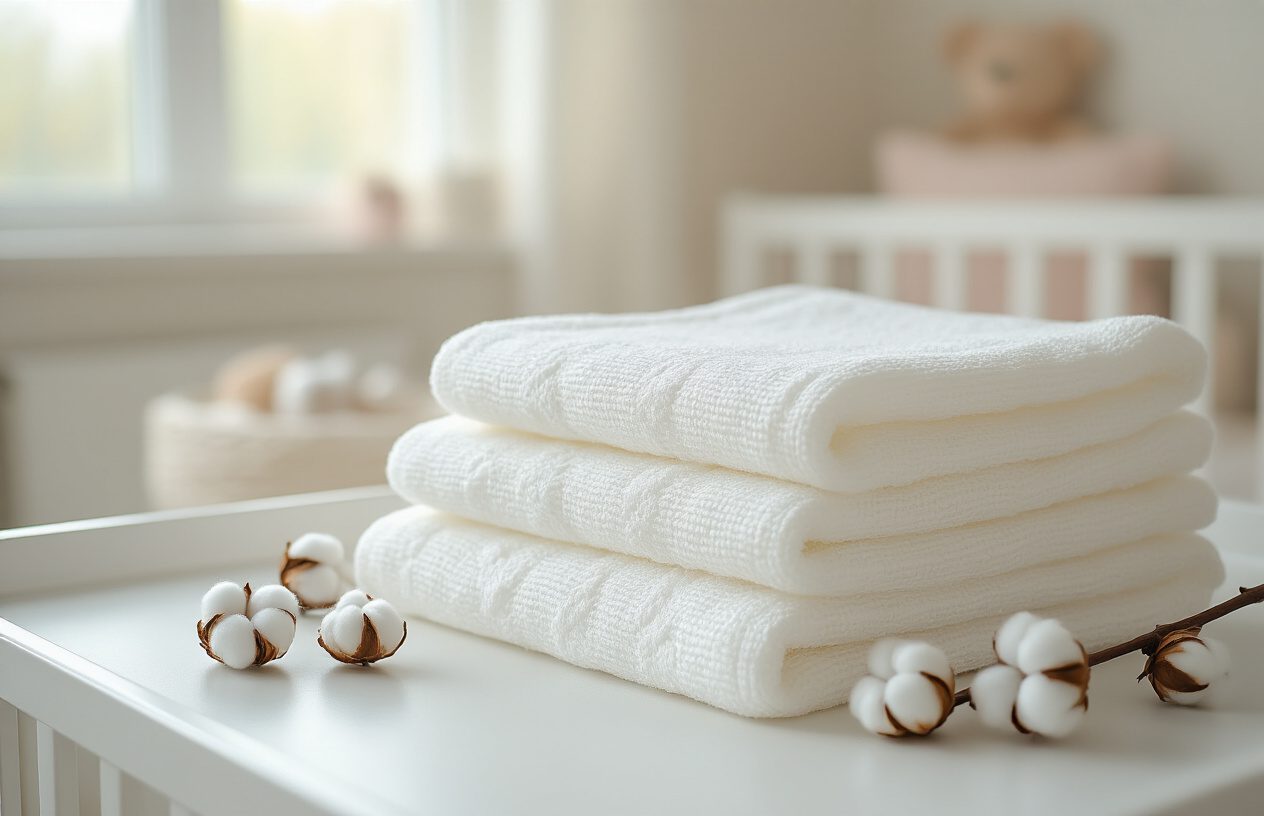
Cotton burp cloths offer parents a reliable choice when it comes to protecting delicate baby skin. Made from natural cotton fibers, these cloths contain no harsh synthetic materials that might irritate sensitive areas around your little one’s mouth, neck, and chest. The breathable nature of cotton allows air to circulate freely, reducing the risk of skin irritation and heat buildup during feeding sessions.
The hypoallergenic properties of quality cotton make it particularly suitable for babies with eczema or other skin sensitivities. Unlike synthetic alternatives, cotton doesn’t trap moisture against the skin, which helps prevent rashes and discomfort. Many pediatricians recommend cotton products for newborns because the natural fibers are less likely to cause allergic reactions.
Superior absorbency for heavy spitters
Cotton’s natural fiber structure creates excellent absorption capabilities, making these burp cloths perfect for babies who spit up frequently. The cotton weave can hold significant amounts of liquid without feeling saturated immediately, giving parents more time to clean up before needing a fresh cloth.
Different cotton weaves offer varying levels of absorbency. Terry cloth cotton provides maximum absorption with its looped construction, while flannel cotton offers good absorption with a gentler feel. The multi-layered construction of quality cotton burp cloths creates multiple absorption zones, preventing liquid from soaking through to clothing underneath.
Durability through countless wash cycles
Cotton burp cloths withstand repeated washing better than most alternatives. The strong cotton fibers maintain their integrity even after hundreds of wash cycles, making them a practical investment for growing families. This durability becomes especially important when dealing with multiple daily feedings and frequent washing requirements.
High-quality cotton actually becomes more absorbent over time as the fibers soften and open up through washing. Pre-shrunk cotton burp cloths maintain their size and shape, ensuring consistent performance throughout their lifespan. The color-fastness of quality cotton prevents fading and bleeding, keeping clothes looking fresh longer.
Softness that improves with each use
One of cotton’s most appealing characteristics is how it becomes softer and more comfortable with each wash. New cotton burp cloths may feel slightly stiff, but they quickly develop a pleasant, cuddly texture that both babies and parents appreciate. This natural softening process creates a luxurious feel without requiring fabric softeners that might irritate sensitive skin.
The improved softness doesn’t compromise the cloth’s functionality. As cotton fibers relax and soften, they actually become more effective at absorbing liquids while maintaining their structural integrity. This unique combination of increasing comfort and sustained performance makes cotton burp cloths a favorite among experienced parents.
Exploring Muslin Burp Cloths and Their Unique Advantages
Lightweight breathable weave for comfort
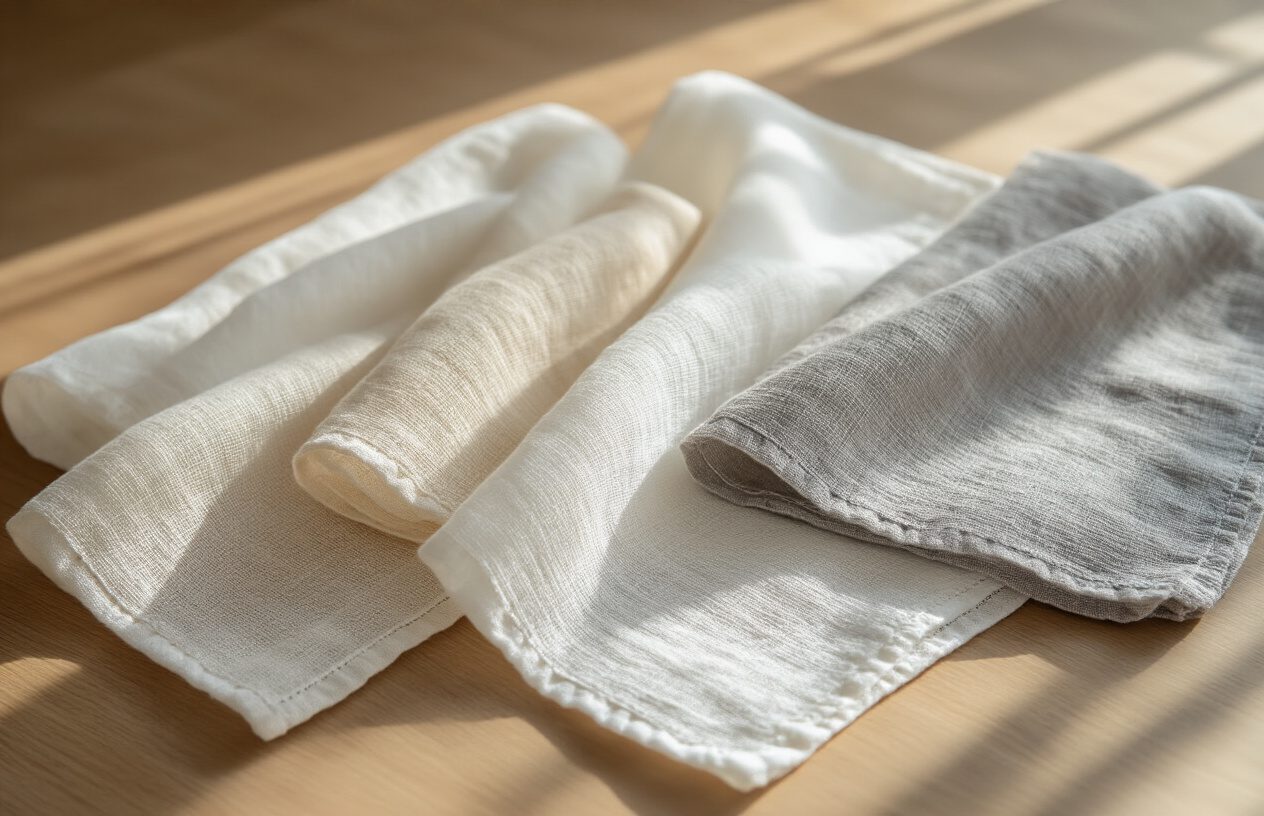
Muslin burp cloths stand out with their distinctive open-weave construction that creates natural airflow around your baby’s delicate skin. This unique textile structure allows air to circulate freely, preventing moisture buildup and reducing the risk of skin irritation during feeding time. The loose weave makes these cloths incredibly light, so they won’t weigh down your shoulder or add bulk when you’re carrying your little one around.
The breathable nature of muslin makes it particularly valuable during warmer months or in heated indoor environments. Your baby stays cooler and more comfortable, which can lead to more peaceful feeding sessions and less fussiness. The material’s ability to regulate temperature naturally means you don’t have to worry about overheating, especially during those long night feeds when every comfort factor matters.
Quick-drying properties save time and energy
One of the most practical advantages of muslin burp cloths is their impressive drying speed. The open weave allows moisture to evaporate rapidly, cutting drying time significantly compared to denser fabrics. This means you can wash a load of burp cloths in the morning and have them ready for use by afternoon, even without a dryer.
For busy parents managing multiple daily outfit changes and feeding sessions, this quick turnaround is a game-changer. You’ll find yourself doing laundry less frequently because your muslin burp cloths are ready to use again so quickly. This efficiency translates to real energy savings on your electricity bill and reduces wear on your dryer, extending its lifespan.
The fast-drying characteristic also means less chance for bacteria or mildew to develop, keeping your burp cloths fresher between washes.
Gentle texture perfect for newborn skin
Muslin’s incredibly soft texture becomes even more gentle with each wash, creating an ideal surface for your newborn’s sensitive skin. The natural cotton fibers in quality muslin burp cloths feel almost silky against the baby’s face and neck, reducing the risk of scratches or irritation during wiping and cleaning.
The fabric’s gentle nature makes it safe for repeated contact with delicate areas around your baby’s mouth and cheeks. Unlike rougher textures that might cause redness or discomfort, muslin maintains its smooth feel even after countless wash cycles. This softness is particularly important for babies with eczema or other skin sensitivities, as the material won’t aggravate existing conditions.
Comparing Absorbency and Performance Between Materials
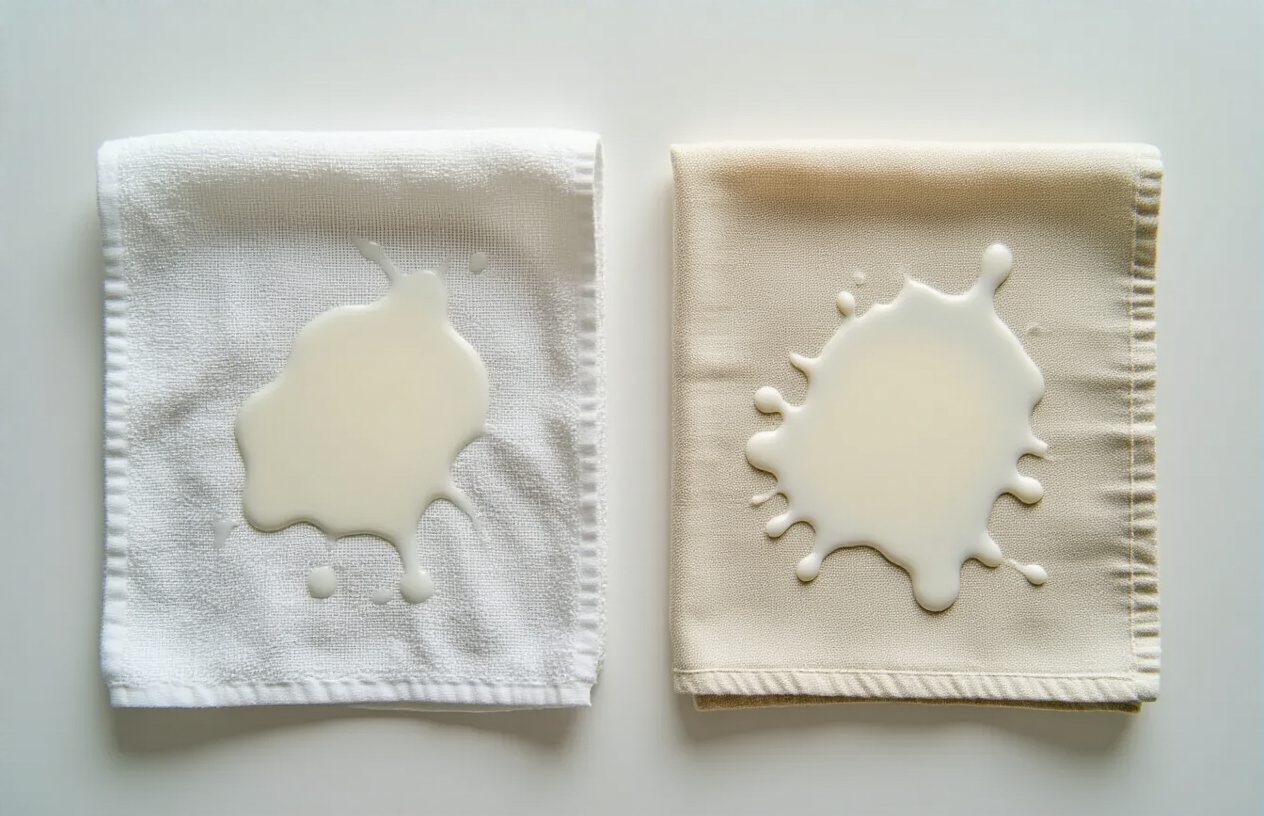
Cotton’s Thick Weave Holds More Liquid
Cotton burp cloths feature a dense, tightly woven structure that creates multiple pockets within the fabric. These tiny spaces trap liquid effectively, making cotton exceptionally good at soaking up larger volumes of spit-up. The natural fibers expand when wet, creating even more absorption capacity. A typical cotton burp cloth can hold up to three times its weight in liquid before reaching saturation.
The thickness of cotton also means the liquid doesn’t immediately soak through to your clothing. This barrier effect gives you time to react and clean up without worrying about the mess transferring to your shirt. Cotton’s absorption happens gradually, pulling liquid inward rather than letting it spread across the surface.
Muslin’s Multi-Layer Design Provides Adequate Protection
Muslin burp cloths work differently from cotton, relying on multiple thin layers rather than thickness. Most quality muslin burp cloths feature three to six layers of loosely woven cotton gauze. This layered approach creates several absorption zones that work together to manage spit-up.
Real-World Testing Results for Different Feeding Scenarios
| Feeding Scenario | Cotton Performance | Muslin Performance |
|---|---|---|
| Light spit-up (1-2 tablespoons) | Excellent containment | Good coverage, quick absorption |
| Heavy spit-up (3-4 tablespoons) | Superior liquid retention | May require larger size |
| Reflux episodes | Best choice for volume | Good for frequent smaller amounts |
| Newborn feeding | May feel bulky | Gentler, more comfortable |
Independent testing shows cotton excels during bottle feeding sessions where larger volumes are common. Muslin burp cloths perform better during breastfeeding, where spit-up tends to be smaller and more frequent. Both materials handle normal feeding situations well, but cotton has the edge for babies who regularly produce larger amounts of spit-up.
Which Material Handles Spit-Up Better
Cotton wins for pure absorption capacity and liquid retention. When your baby has a major spit-up episode, cotton burp cloths contain the mess more effectively and prevent it from spreading to your clothes or furniture. The thick weave acts like a sponge, pulling liquid inward and holding it securely.
Muslin burp cloths handle frequent, smaller spit-ups more comfortably. The lightweight layers feel less bulky during extended feeding sessions, and the quick-drying properties mean less time spent with damp fabric against your skin. Muslin also performs better for babies with sensitive skin who need gentler materials during frequent burping sessions.
Evaluating Comfort and Skin Safety for Your Baby

Cotton’s Hypoallergenic Properties Reduce Irritation
Cotton naturally repels common allergens and irritants that can trigger sensitive baby skin reactions. The fiber structure creates a protective barrier against dust mites, pollen, and other environmental allergens that often accumulate on fabric surfaces. Parents with babies who have eczema or dermatitis frequently choose cotton burp cloths because they contain fewer synthetic materials that might cause flare-ups.
The smooth fiber surface of cotton reduces friction against delicate newborn skin. Unlike rougher materials that can create micro-abrasions during cleaning, cotton glides gently across your baby’s face and neck area. This becomes especially important during frequent burping sessions when the cloth repeatedly touches sensitive areas around the mouth and chin.
Cotton’s chemical processing typically involves fewer harsh treatments compared to synthetic alternatives. Most high-quality cotton burp cloths undergo minimal bleaching and avoid formaldehyde-based finishing agents. This reduces the likelihood of chemical sensitivities that can manifest as redness, rashes, or general skin discomfort.
Muslin’s Breathability Prevents Overheating
Muslin Burp Cloths excel at temperature regulation thanks to their distinctive loose weave pattern. The open structure allows air to circulate freely through the fabric, preventing heat buildup against your baby’s skin. This breathability becomes particularly valuable during summer months or in warm indoor environments where traditional burp cloths might trap heat.
The lightweight nature of muslin means less insulation between your baby and the surrounding air. While cotton can sometimes feel dense against the skin, muslin maintains constant airflow that helps regulate body temperature. This prevents the sweating and discomfort that can occur when babies become overheated during feeding and burping sessions.
Softness Comparison After Multiple Washes: Muslin Burp Cloths
Both materials undergo significant changes in texture through repeated washing cycles, but they follow different trajectories. Cotton burp cloths typically start with moderate softness and gradually become more pliable with each wash. The mechanical action of washing breaks down fiber stiffness, creating increasingly gentle surfaces over time.
Muslin Burp Cloths begin exceptionally soft and maintain this quality remarkably well. The loose weave structure prevents the fiber matting that can occur with tightly woven fabrics. Even after dozens of wash cycles, muslin retains its characteristic flowing texture that parents describe as silk-like against baby skin.
| Wash Cycles | Cotton Softness | Muslin Softness |
|---|---|---|
| New | Moderate | Very Soft |
| 10-20 washes | Good | Excellent |
| 30+ washes | Very Good | Excellent |
The key difference lies in consistency. Cotton requires a break-in period before reaching peak softness, while muslin delivers immediate comfort that remains stable throughout its lifespan. Parents who prioritize immediate softness often prefer muslin, while those who don’t mind gradual improvement typically find cotton perfectly adequate.
Analyzing Cost-Effectiveness and Long-Term Value: Muslin Burp Cloths

Initial Purchase Price Differences: Muslin Burp Cloths
Cotton burp cloths typically cost less upfront than muslin alternatives. Basic cotton terry cloth burp cloths range from $8 to 15 for a pack of six, while muslin burp cloths usually start around $15-25 for similar quantities. Premium organic cotton options fall somewhere in the middle at $12-20 per pack.
| Material Type | Price Range (6-pack) | Average Cost Per Cloth |
|---|---|---|
| Basic Cotton | $8-15 | $1.33-2.50 |
| Muslin Burp Cloths | $15-25 | $2.50-4.17 |
| Premium Cotton | $12-20 | $2.00-3.33 |
Durability and Replacement Frequency
Muslin burp cloths often outlast their cotton counterparts despite their delicate appearance. The loose weave actually makes muslin more flexible and less prone to tearing under stress. Cotton terry cloth, while initially sturdy, tends to lose its absorbency and develop thin spots after repeated washing.
Parents frequently report that muslin burp cloths maintain their shape and effectiveness for years, even surviving multiple children. Cotton burp cloths might need replacement every 6-12 months with heavy use, while quality muslin options can last 2-3 years or longer.
The washing process affects both materials differently. Muslin gets softer with each wash, while cotton can become rough or lose its loops, reducing absorbency over time.
Multi-Purpose Uses Beyond Muslin Burp Cloths
Muslin’s versatility extends far beyond burping duties, making it a smart long-term investment. These cloths easily transition into washcloths, nursing covers, light blankets, or even play mats as babies grow. Their breathable nature makes them perfect summer blankets for toddlers.
Cotton burp cloths serve primarily as burp cloths and basic cleaning cloths. While durable, their thicker construction limits versatility. Parents often find muslin cloths accompanying them on outings for years, serving various purposes from wiping faces to providing comfort.
Best Value for Your Budget Considerations
When calculating true value, consider cost per use rather than initial price. A muslin cloth that costs $3 but lasts three years while serving multiple purposes delivers better value than a $1.50 cotton cloth needing replacement every six months.
Budget-conscious parents should focus on getting a smaller quantity of higher-quality muslin cloths rather than buying many cheaper cotton options. Starting with 4-6 quality muslin burp cloths often proves more economical than purchasing 10-12 basic cotton ones that require frequent replacement.
Making the Right Choice for Your Family’s Needs

Heavy spitters benefit most from cotton
Babies who frequently spit up or have reflux need burp cloths that can handle large volumes of liquid quickly. Cotton burp cloths excel in this area because their dense weave and thicker construction create superior absorption capacity. The natural fibers in cotton can hold more moisture per square inch compared to the looser weave of muslin, making them ideal for parents dealing with multiple outfit changes throughout the day.
Cotton’s durability also matters when you’re constantly washing and reusing burp cloths. Heavy spitters require frequent laundry cycles, and cotton maintains its absorbent properties better over time. The fabric won’t break down as quickly, ensuring consistent performance when you need it most.
For parents managing reflux or heavy spitting, having multiple cotton burp cloths on hand means fewer interruptions during feeding time. You can layer them for extra protection or quickly swap them out without worrying about breakthrough moisture reaching your clothes or furniture.
Heat-sensitive babies prefer muslin options
Some babies run warmer than others or live in humid climates where breathability becomes crucial. Muslin burp cloths offer the perfect solution with their loose, open weave that promotes air circulation. This natural cooling effect helps prevent overheating during feeding sessions, especially during skin-to-skin contact.
The lightweight nature of muslin means less bulk against your baby’s delicate skin. This becomes particularly important for newborns who startle easily or seem uncomfortable with heavier fabrics. Muslin burp cloths drape naturally without creating pressure points or restricting movement.
Budget-conscious parents should consider durability
Smart shopping means looking beyond the initial price tag to consider long-term value. While muslin burp cloths might cost slightly more upfront, they often outlast cotton alternatives when properly cared for. The loose weave that makes muslin breathable also makes it less prone to pilling and fabric breakdown over time.
Cotton burp cloths typically need replacement more frequently, especially with heavy use. The denser weave traps detergent residue and can develop odors that become difficult to remove. This means budget-conscious families might find themselves purchasing replacements sooner than expected.
Consider your family’s specific usage patterns when making this decision. If you plan to have multiple children or want burp cloths that maintain their appearance through countless wash cycles, the higher upfront investment in quality muslin burp cloths often pays off. However, if you need immediate affordability and don’t mind replacing items more frequently, cotton provides excellent short-term value.
| Factor | Cotton | Muslin |
|---|---|---|
| Initial Cost | Lower | Higher |
| Replacement Frequency | More Often | Less Often |
| Long-term Value | Moderate | Higher |
| Durability | Good | Excellent |
Both cotton and muslin burp cloths bring their own strengths to your baby care routine. Cotton delivers reliable absorbency and durability at a budget-friendly price, making it perfect for parents who want dependable performance without breaking the bank. Muslin shines with its lightweight feel, quick-drying nature, and gentle touch against your baby’s delicate skin, though it comes with a higher upfront cost.